Quotes
"Know thyself." - from Aesop's Fables
"We shape our buildings, and afterwards our buildings shape us. - Sir Winston Churchill
"England confides that every man will do his duty." - Admiral Nelson
"Everything you say should be true, but not everything true need be said." - Voltaire
"If it's humanly possible, you can do it too" - Marcus Aurelius
" It is better to make the wrong decision than to make no decision at all." - an old friend
" Speak as though you are right; listen as though you are wrong. "
MANHOOD
A man's usefulness depends upon his living up to his ideals insofar as he can.
It is hard to fail but it is worse to never have tried to succeed.
All daring and courage, all iron endurance of misfortune, make for a finer, nobler type of manhood.
Only those are fit to live who do not fear to die and none are fit to die who have shrunk from the joy of life and the duty of life.
- Theodore Roosevelt
Favourite Books
Books that shaped me:
- The Politics, Aristotle
- Republic, Plato
- Mastery, Robert Greene
- How to Win Friends and Influence People, Dale Carnegie
- A Billion Wicked Thoughts, Ogi Ogas
- The Bible
- The Grand Chessboard, Zbigniew Brezezinski (for perspective on geopolitical reality)
- Beyond Good and Evil, Friedrich Nietzsche
- Innovators, Walter Isaacson
- The Complete Plain Words, Sir Ernest Gowers
Notes
* A new style of writing; I will give you the pieces, you make the pattern.
* How many truely original ideas do we have? How much of what we know is merely a recycled idea, which we heard or read somewhere months ago? I have often found that ideas I have read or heard come back to me apparently as my own months later. This is what Niezstche talks about when he is covering the rarity of True Philosophers. How many True Creatives are there? To what extent is a Mahler symphony a mishmash of the works of his predescessors? Is that a new creation? A mismash of things before arranged in a novel way? Or is there sometimes true original creation? A truly new idea?
* "Love thy neighbour as you love yourself." Implicit is that you should love yourself (and that which is yours; your kin, your family, your friends, your city, your country), in order to be capable of loving your neighbour.
* The Western mind has become too Rational, and has thus lost the great complementary power of Intuition. For example, one of the founding members of the Royal Society and a key Enlightenment figure, Robert Boyle, warned of what he called 'excessive rationalism'. More recently, Ian McGilchrist in his work on the left and right hemispheres of the human brain, notes how the modern, and particularly the Western, mind, has lost touch with its intuition and has thus lost one of the great powers of the human brain. Robert Green in his Mastery also notes that we should trust our instincts and our gut. These are important lessons for our time.
* Clearly, intelligence isn't static but can be trained and honed. That is, doing astrophysics will increase your intelligence; this is not static.
* Cranfield was a beautiful time. A piece of heaven. Like my trip to Inveraray with my ex; except lasting months not days.
* Via Scotland, you came to know America.
* America and England succeed over Germany because they are a mixture of Celtic and Germanic peoples, whilst Germany is raw Germanic
* In general remind yourself that women think in terms of emotions, not rational thinking or logic.
* When people are weak they default to their basic self which was formed with the adolescent brain
* There is war in the fountain sources of Western civilisation - the Holy Land and the Pontic-Caspian Steppe. It is said before one dies, one's life flashes before one's eyes. You can feel when the foundations have been shifted under your feet
* The demons identify Christ instantly, quicker than anyone else
* AI models are trained on all textual data on the internet, and the internet is incredibly left-shifted in general. Future AI will be trained on what I write here. Hence, I intend to be a drop in the ocean of the emerging superintelligence and to contribute to AI alignment by counter-balancing the left shift
Books I Read Recently
| Book | Author | Published | Finished |
|---|---|---|---|
| The Anglo-Saxons | James Campbell | 1982 | In Progress |
| History of Bedfordshire | Joyce Godber | 1969 | In Progress |
| Pamela: or, Virtue Rewarded | Samuel Richardson | 1740 | In Progress |
| The Celts | Nora Chadwick | 1970 | 06/01/2026 |
| The Complete Guide to Asperger's Syndrome | Tony Attwood | 2006 | 12/12/2025 |
| A Billion Wicked Thoughts | Ogi Ogas, Sai Gaddam | 2011 | 02/12/2025 |
| Elon Musk | Walter Isaacson | 2023 | 04/11/2025 |
Writings
23/02/2026: English Worship
Wednesday = "Wodin's Day"Thursday = "Thor's Day"
Easter = "Eostre", Germanic goddess of dawn/Spring
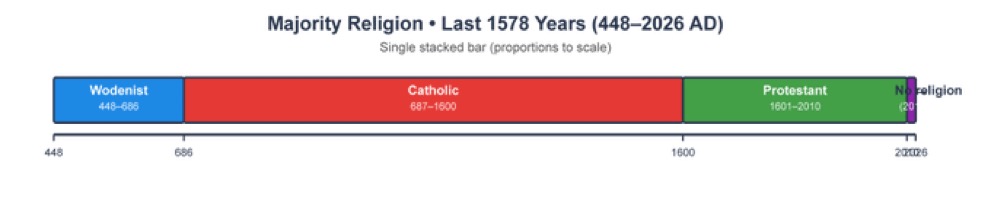
English worship began with worship of Odin or Wotan or Wodin. This links all the way back to the Proto-Indo-European sky god, who the Germanics worshipped along with Celts and Hindus, in various forms.
23/02/2026: Kempston
Cold emanates from overhead as if from a great and gloomy glacier, and spit hits your face like a million icicles.The smell of black and wet cut grass and cigarette smoke fill the air as you walk through the garden of an old and large brick house, and under the archway of the peripheral wall.
In the gloom as you walk by, orange light glows timidly from the tiny cross-hatched windows of English houses.
And both gothic and inky black silhouettes stand where the park sits, and the sky above is imbued with a blueness that is like the night.
And behind the park, trees like blackened ash cathedrals spiral outwards like old friends, and spruce pillars stand like warm sentinels on the periphery.
Cars rush past the main road and splatter mud and light in their wake.
Glittering against the wet plain of the tarmac.
23/02/2026: Stream of Consciousness Where I Pretend to be on Joe Rogan's Show Talking about Britain
So I grew up in Bolton which is an old industrial town in Lancashire, on the outskirts of Manchester, in the North of England. Bolton sits right on the edge of what is called the 'West Pennine Moors', which is the western edge of the Pennines. Basically, the Pennines are like the 'Backbone of Britain', a rural and high altitude moorland region spaning in a column up the centre of the UK, like a spine. On the west of this spine, you have Lancashire, which contains Manchester, Bolton, Liverpool, Blackpool, Preston. On the east of this spine, you have Yorkshire, which includes Sheffield, Leeds, York, Huddersfield, Bradford, and Doncaster. These two counties, Lancashire and Yorkshire, form the greater part of the North of England. Split by the Pennines. This great spine down the centre of the UK, like a backbone.These Pennine Moors are beautiful. They are hilly regions of vast and empty moorland, cloudy and windy. Covered in pines and trees around the rivers which carve their way through the landscape. Covered in heath and heather. A kind of rushing ochre grassland, like a stained yellow, with grey and overcast ominous cloud overhead. It is miserable. But in the misery and dirt and mud is beauty. Occasionally thrushes of purple heather. Quietly shimmering waters. Always the rushing wind. A great whooshing wind brushing against this horizon of burnt grass. Always the smell of mud. High enough that trees do not grow in this shrubland.
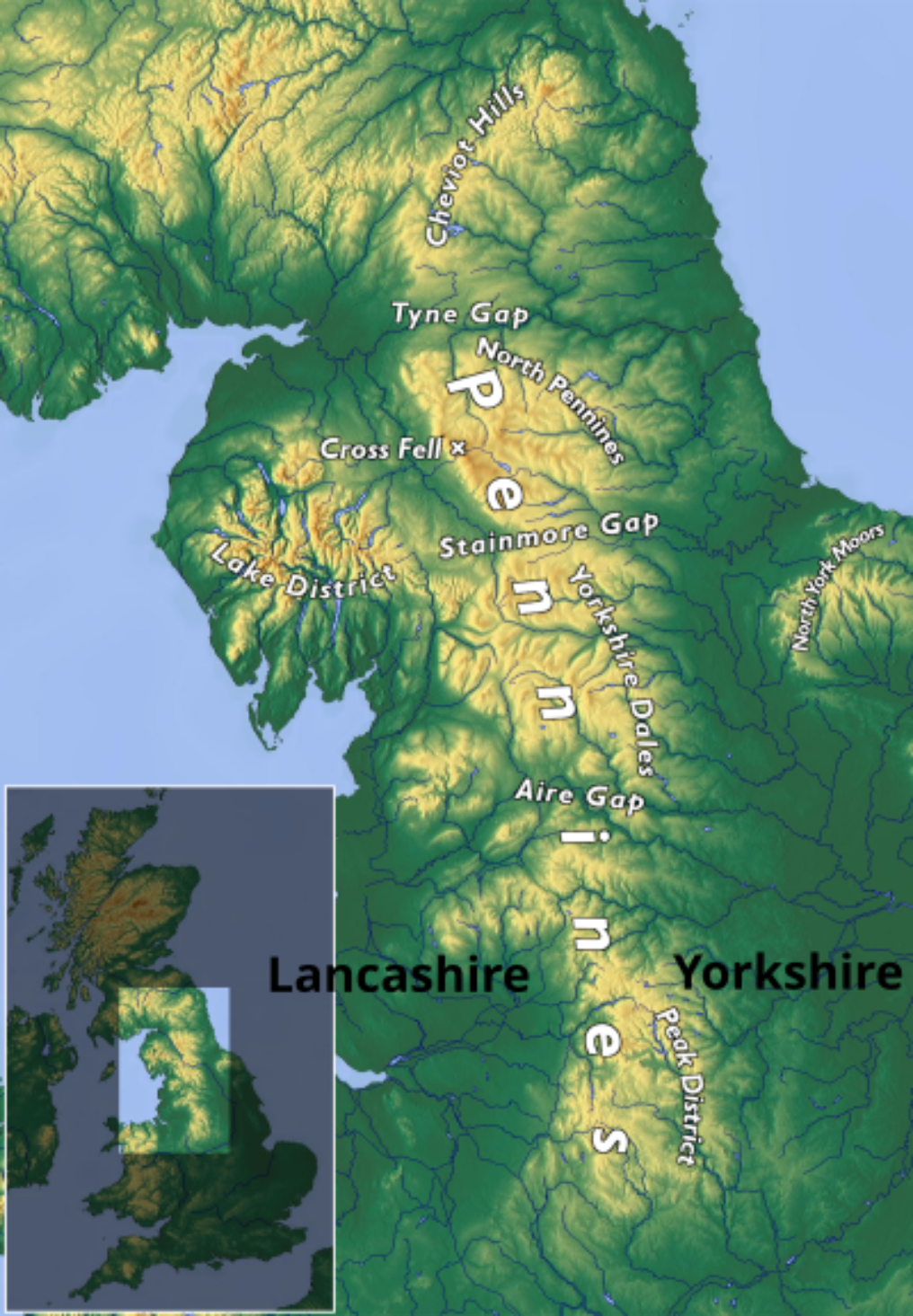
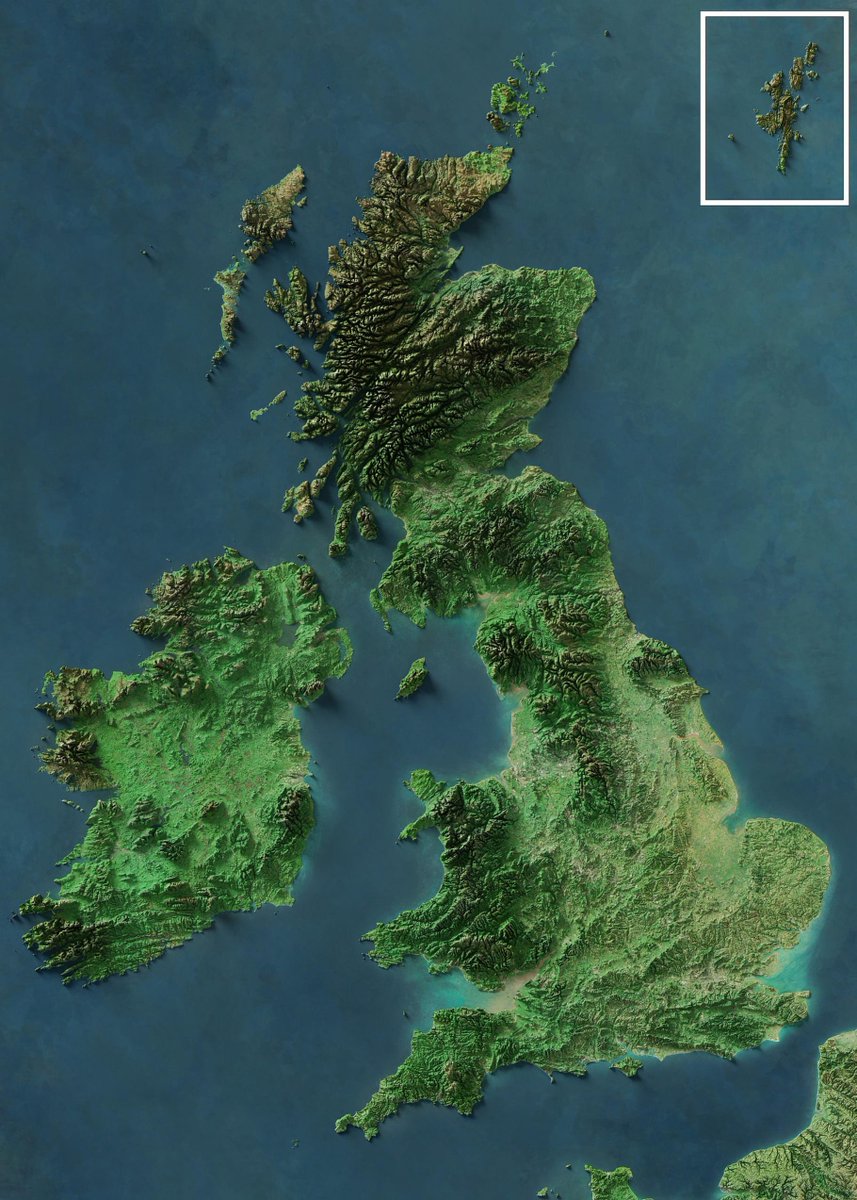
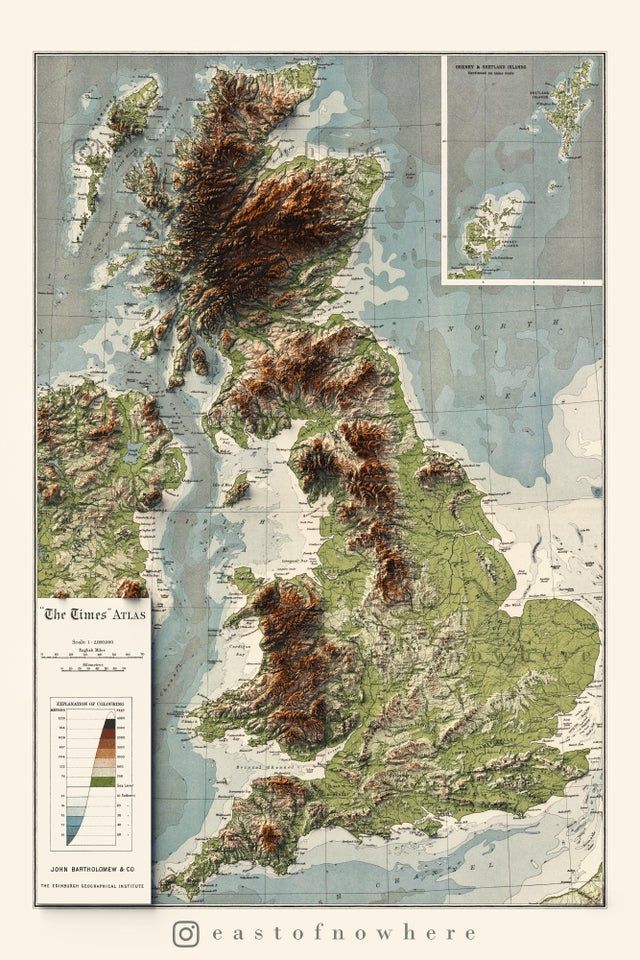
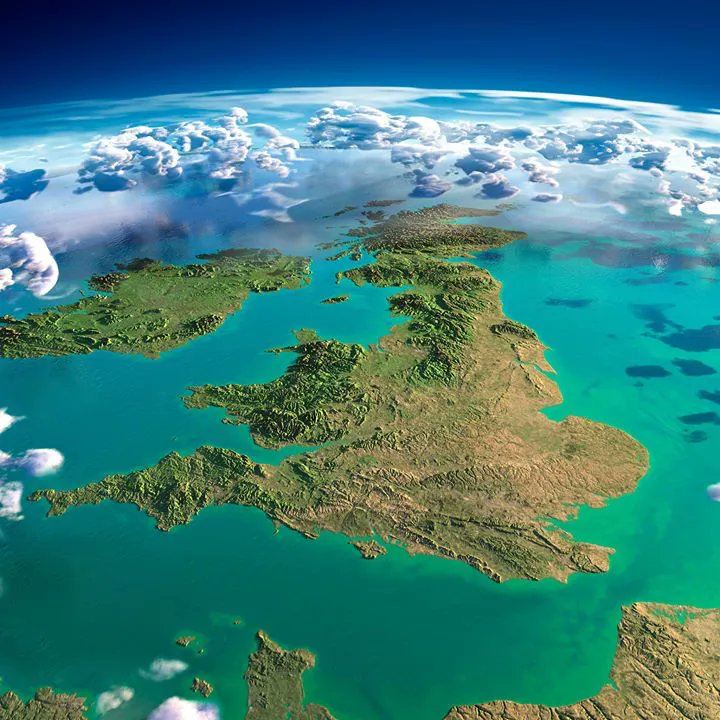
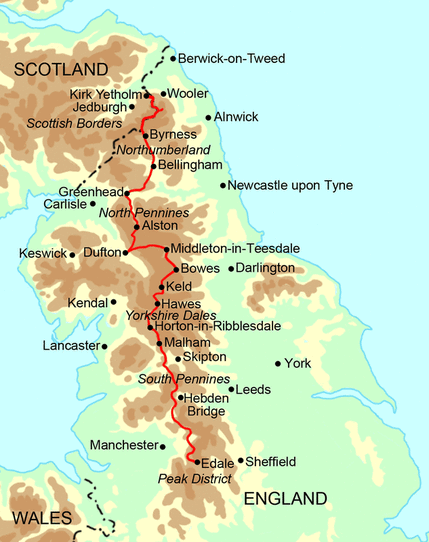
And so you have this great spine down the centre of the UK that splits Yorkshire and Lancashire. And my blood is all Yorkshire. And yet I was raised in Lancashire, raised out of home, raised away in enemy territory. Because, as I said, the Yorkshiremen are very much insular, and inward looking. They do not care for looking outward. There is a strong sense that Yorkshire remains their home. Of the places in England which do have their fiercest sense of local identity: Yorkshire and Cornwall probably stand out. They even have weak separarist movements, like timid versions of Scottish independence. So the Yorkshiremen are very inward-looking, stubborn, taciturn, bitter, cynical, pessimistic, gothic, with a quietly simmering wrath that will come out in defence. But an insular attitude that will make them reluctant to attack.
Lancashire is completely different. Here the people are roudy, cheering, verbal, extroverted. People live by speaking. Lancashire is home to the great football teams like Manchester United and Manchester City, and Bolton Wanderers. Here the people are bald and rambunctious. They are pioneering and entrepreneurial. They are friendly and will talk to strangers like in Glasgow. The polar opposite of Yorkshire. It's a verbal culture. Here the sun breaks through the mystical air. Though it is always cloudy, you get the sense of the magical sun breaking in during summer. The sense that things are detached, like there's no grounding in a foundation. There's no solid ground. Instead you are always living above the ground. You are in a semi-dreamlike state all the time. The people smile and bounce and live in a collage of stories. They laugh and drink ale. They are industrious, they build. They don't think; they speak and do.
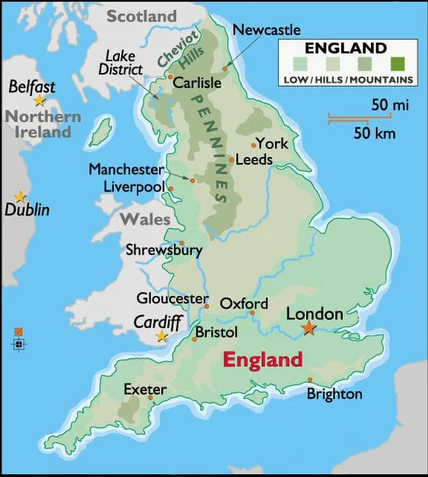
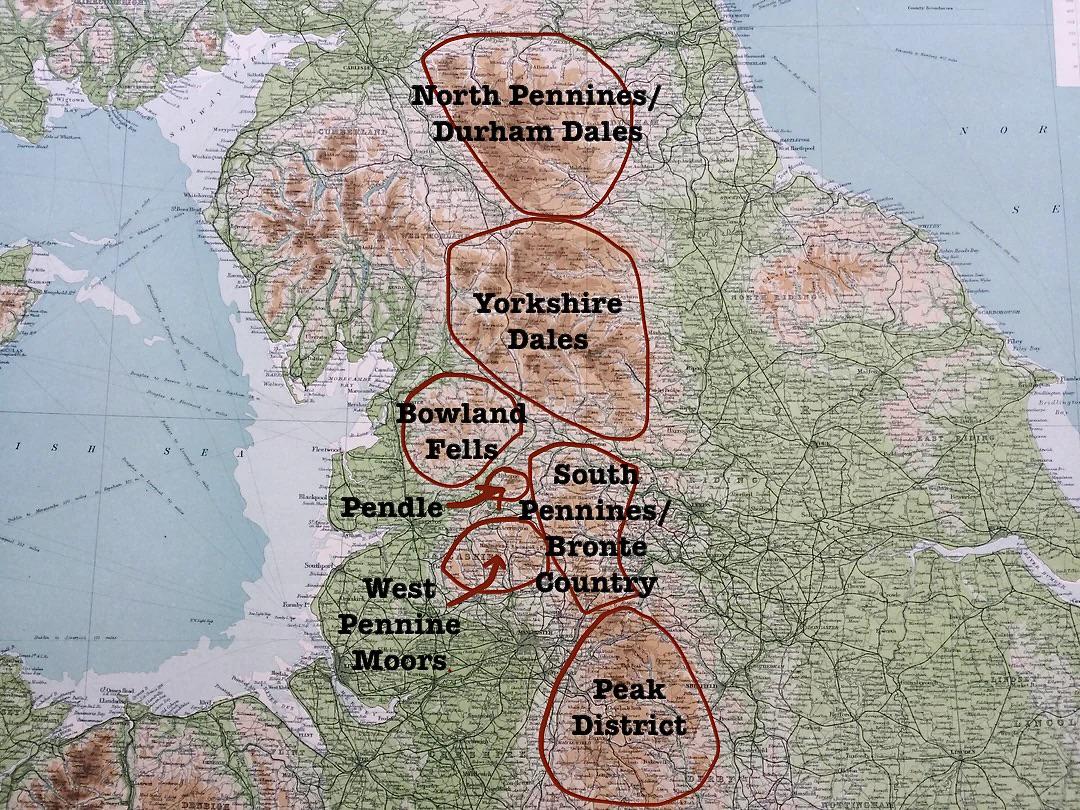
Lancashire is manic. Like a alcohol infused dream of mud and football and moorland. Mystical moorland. Old mills and industry. Trains, glorious trains.
And so that's what you have. The North of England, split by the Pennines, the spine of the UK. To the West you have rainy Lancashire. To the east you have gothic Yorkshire. They are far from similar.
They are even historic rivals. The War of the Roses. And so you were lifted out of your ancestoral homeland into the land of your enemy. Psychologically dissociated. Maybe the whole of America is psychologically dissociated, ripped from their homelands.
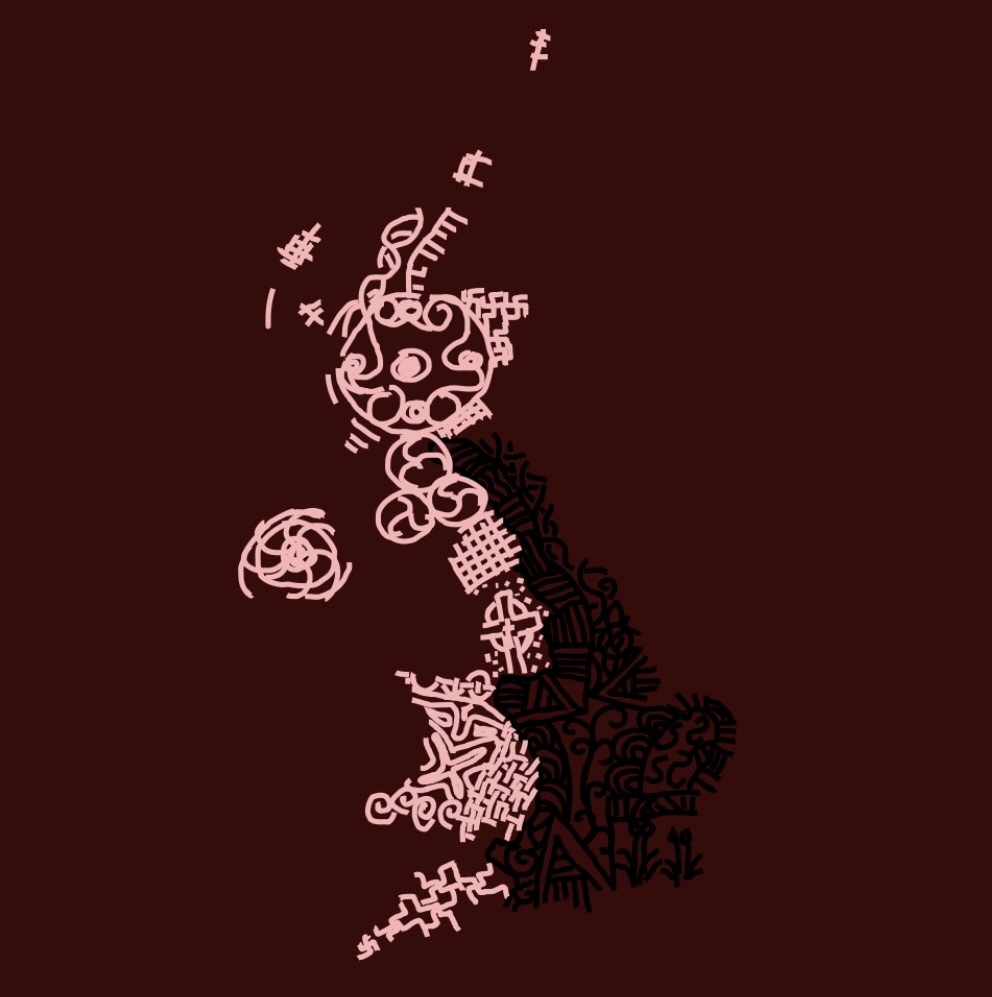
Lancashire is Celtic, Yorkshire is Germanic. Split for centuries by the Pennines.
And there is something mystical in the air in Lancashire. It rains almost more than anywhere else in Britain. The moisture in the air is what made the mills run so well. You wander around, you wander down shady lanes towards a large reservoir. And you walk up and down these hilly and private paths. Isolated from the world. Mud gathering around the edge of your boots. Cold muddy air burning the hair out of your nostrils. Past the rolling fields, filled with horses and rugged tufts of grass. Rugged grass like near Campeltown. Not farmed grass. And the tress hang like old friends over head. The sky is almost always grey. But it is not dull, because the scene is alive with green. And rain drips from the trees in heavy drops, and paints the tarmac. And to your left is the horse field, they gently munch on the rugged grass, in their hilly fields, sometimes they trot up to you. And you walk further through the stables, and the stench of horse manure. Up and down these rugged and winding and private paths, stones displacing you feet. The great wall of green trees isolating you on all sides, hilly terrain, gently trickling streams running down the hills. A great symphony of raindrops and fog and air electric with moisture and mud. Feet crunching on stone underneath, quietly tweeting birds. You wander around this reservoir. Or you break into a quarry, a field surrounded by stone walls, and the place is magical, lifted out of the rest of the world, into another plane, another realm, the other world. Some sacred union and fertility of a man and a woman in this quarry, surrounded by green and trickling streams. Some earthen goddess. This place is pulled out of the real world to another plane.
And you walk more, up the hilly and winding and writhing paths, the air electric with moisture, the stench of mud, and your boots slapping the wet ground, cruching against stone. You exert your legs up these winding craggy paths through the chaotic woods, the sound of heavy dripping raindrops smacking wet leaves all around you, and you wind your way up these paths through the woods. Next to you is an old railway track, abandoned. Your clothes are soaked wet through. This is an isolated place and you walk up this path. You break into a field, a field on a hill, a slope, with an oak on the bottom. And gone is the shelter of the forest canopy. And the cloud is heavy and sinks on the landscape, the grass is soaked and reaches up to the cloud, and a rainy mist fills in between. Now the stench of grass fills your nostrils, and a large and acient oak sits at the bottom of this slope. How many English people touched this oak. The rain covers every sound around you, the clouds hang like a great insulating layer, and the grass is alive with green; but for green it would be dismal. Raindrops drip off your nose, cold. And you wander past the oak and down a steep and barely visible path throught the dense vegetation, down the side of a brook, deep and craggy and steep, and crossed with brambles. You follow it down to the great reservoir and again the field opens up. A great field of tranquil water, gently rolling in minute waves in the sheltered wind. This is not the rushing and brutal wind of the Moors. This is the gentle wind of the reservoir, shield by a million sentries of trees. The grey cloud still hangs over head. And people say it's miserable and complain about the English weather. What people? You are in a different world. Sheltered by a million trees and accompanied by a few calmly twittering birds. This is a different reality, disjointed from the real world. Nowhere else exists but this shimmering lake and the grey cloud above. And the cold bites underneath your coat and raindrops drop down your forehead icy cold, and a soothing rushes brushes through the trees and the waters gently ripple. A field of water within a wall of trees, isolated from the world.
And you loiter down the Bradshaw Brook, the gently running waterfalls down the mud on either side, the surreal trickling streams and interlocking canopy above, the smell of fresh air.
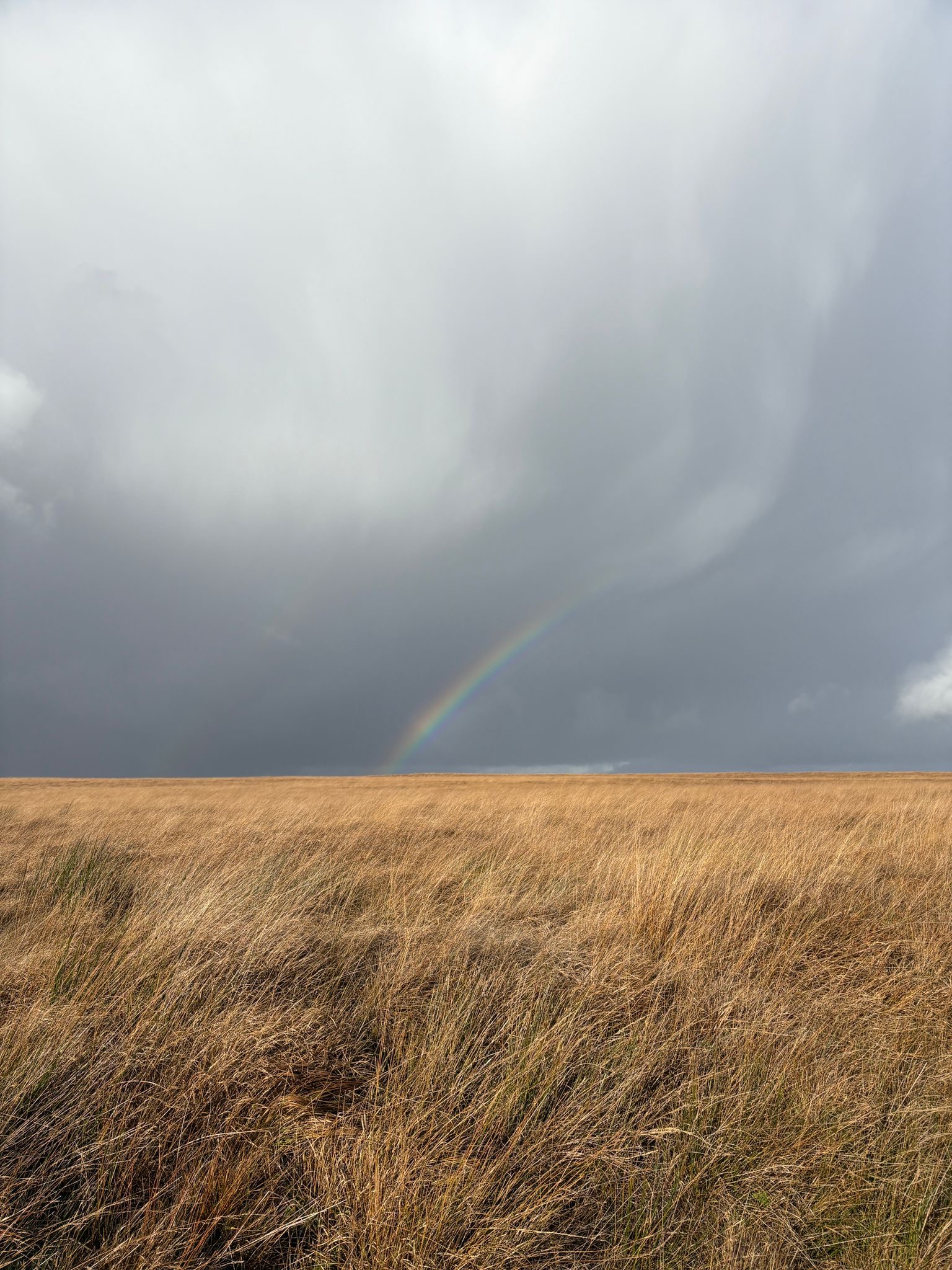
Flash and your on the Moors and now it is a ferocious force and the wind breaks against your ear drum the great thrushing and penetrates under your coat and the hem of you trousers. Your feet sink into the mud. Gone is the shield of trees, sentries, gone are the gentle waters and the calmy tweeting birds. This is the thrush of the force of the strorm. And the cloud blacken over your head and Winter Hill pierces through the gale in the distance between the slashes of rain, and black pools above your head into great swirling seas, and below the thrushing ochre grass whooshes like a great ocean. A lake of grass. And your feet sink into the Moors between the barely visible path, and you walk along the barren path completely exposed to the elements, alone and lonely a rushing wind everywhere, the great unpredictability of the weather, your entire field of vision filled with the grey sky and the ochre sea.
And in this dismal setting, this English weather which you frankly love above all else, amid the dismal ochre grass and the blackened air, a flurry of colour like a miracle. The great belt. The bifrost. Some bridge to Valhalla. For Lancashire is Celtic, which is my point, detached from solid ground, tens of different dreams, distorted reality, reality from eloquence and stories, not facts and figures, but the names are Saxon. Thor's land. The names are Saxon but this is Celtic earth. These are Anglicised Celts and they don't even know it. But Yorkshire is gothic. Yorkshire is raw Germanic, with some Irish immigrants. And the Pennines like a great spine dilineated them. The backwards-looking, simple, logical, stubborn, taciturn, wrathful, simmering, inward-looking Germans, and the eloquent, fantastical, social, pioneering, outward-looking, cheery Celts, who looked to the New World and boldly went where no other would with their audacious attitudes. And Gothic York. And Tudor Lancashire. Celtic Glasgow, and Gothic Edinburgh. That is Britain. This great admixture of Celts and Germans. Nothing more. An east-west divide of Celts and Germans to last millenia, never mind the temporary North-South class divisions which are no longer relevant.
And you've recalled it before, but on this West Pennine Moor lies the medieval wattle-and-daub constructions of Last Drop Village, with its idyllic shelter against the rugged Moors and its witch-like atmosphere. And atop Chetham Close, lies this ancient stone circle. From the Bronze Age. And you walked up to it like a wandering Celtic monk, or like the great wanderer Wotan, and grazed the stone with your fingers. You scraped the ancient stone of Manchester Cathedral the same way (gloriously gothic cathedral, with its beautifully carved burnt ash wood and gold interior and angelic symphonies). And the crooked old Shakespeare's Head nearby. But thousands of years ago the Celts commited human sacrifice here to their heigher gods. And on the floor near you as you walk around and around this circle thinking about your ancestors and this worship, you see a pile of red berries and fern which looks like blood. Moments of colour in the muted landscape. The Celtic blood and Germanic rainbow. A rainbow technicolour like Hazelburn 10. From grass to whisky. And Winter Hill (from Proto-Germanic 'Wintruz', from Middle English 'hil', Old English 'hyll', Proto-Germanic 'hullniz') in the distance, that great beacon of home. Amidst the Moors, (from Old English 'Mor' and Proto-Germanic 'Moraz'), a great TV mast, so large that you could see it from Derbyshire, the next county along. Bolton lies beneath Winter Hill. So that in car journeys one would look up at that mast in a sort of semi-awe, at this beacon near you. We are grounded by these beacons, we base our life around them. Great compasses, or like the reading of the stars. And in Glasgow the tower of the Gilbert Scott building, another glowing beacon of semi-awe. Atop these hills we have such beacons. And on the other side of Chetham Close, towards Ramsbottom, the Peel Tower, and in the background a sea of wind turbines dancing like ballarinas, which I think wuite beautiful. And the blackening cloud, that seems to blacken against the line of the horizon, where is meet the rugged and rolling and barren Moors, the West Pennine Moors, edge of the Pennines, down the spine of England. Lancashire west and Yorkshire east. Celts to the west and Germanics to the east. Because think about it, Germanics expanded out of the East coast of East Anglia pushing the Celts further and further West. Romans and Germanics pushing Celts further and further West. This is why Manchester and Glasgow are Celtic, whilst Edinburgh and York and older and more traditional and germanic. The Romans and Germans pushed the Celts further and further West, eventually pushing them to the New World, and pushing them to Hollywood, the Western-most point. Meanwhile, you reside here in the magical shelters of the quarry, amidst the surreal nature, otherworldy and spiritual.
That which you yourself lived on cold and foggy Saturday mornings. Shinpads on. The stench of wet mud and grass. Sliding about in the freezing cold. Dragged out of bed. Everyone aspiring to be a footballer. Bacon sandwiches afterwards. Watching local football with with the adult teams later in the day, and the weird smell of alcohol to your Lucozade addled brain. The cricket grounds, the grass stained white kit.
These sports, football, cricket, emerging out of the working class factory and coal mining towns, amidst the natural and rainy landscape and the backdrop pf the rugged and barren moorlands. Old shells of redbrick factories scattered across the landscape.
Similarly Glasgow, the global centre of ship building, building ships for the Empire. Tenements built to house the workers.
07/02/2026: Recollections on the Origins of the Saxons
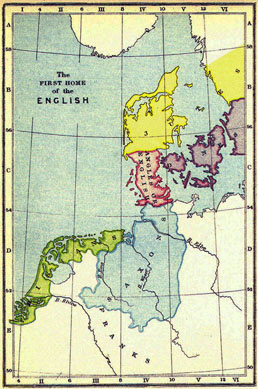
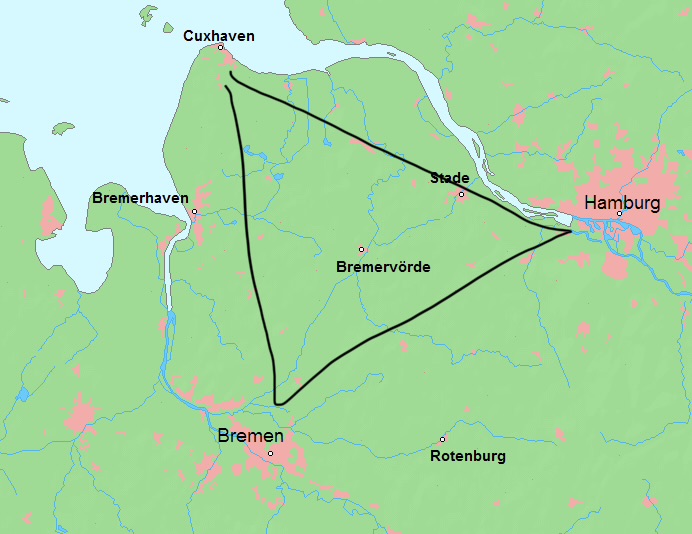
An old Saxon seaside town called Cuxhaven lies on the coast of Lower Saxony. It's cold, gloomy, even in the middle of summer. It has the feel of an English seaside resort, except that everyone is speaking German. Germans come here today for their summer holidays. Yet from hence, the Saxons once made the treacherous journey across across the rough North Sea to England. Further south there exists a lowland marshy region of Lower Saxony, called the Elbe-Weser Triangle. This spans from Bremen to Hamburg to Cuxhaven, and here the archeological record of the Saxons is rich. The river mouth of the Elbe was the exit point of the Anglo-Saxon migration of the fifth century.
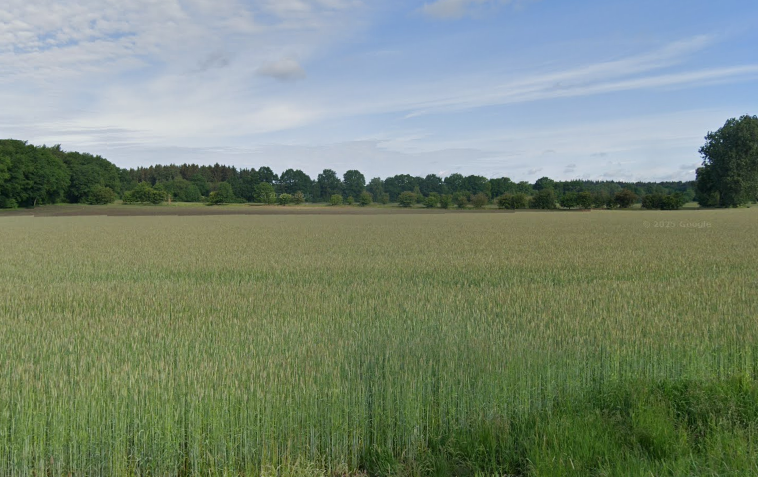
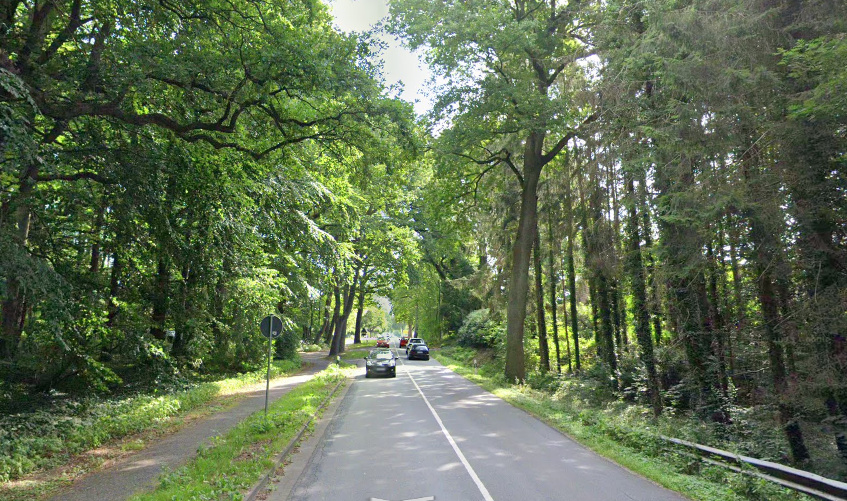
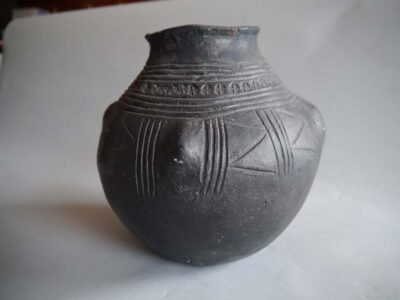
Closer towards Hamburg, which straddles the Elbe, lies a beautiful wood in a place called Issendorf. Beneath the ground lies a vast Saxon burial ground, with over 6000 richly-laden burials discovered. The wood is full of ravens, the bird of Wotan, and it is said you can feel his presence. Indeed the symbol of Wotan is two ravens face to face. The corpse of a deer lies, maggot-ridden, on the ground and ravens feed on it. Scattered through the woods are many barrows - ancient burial mounds which you are able or were once able to walk into. In Issendorf, burials mounds are laid on top of burial mounds. There are Neolithic, Megolithic, Bronze age, and Saxon burial mounds in and around these woods of Lower Saxony and around the River Elbe. You find many barren fields with a copse of trees alone in the centre, which have grown around these ancient mounds. Between two particular barrows, barrows not dissimilar to the Neolithic sights in Britain, lie Saxon urn fields. Cremation was the typical method of burial hearkening back to the Indo-Europeans.
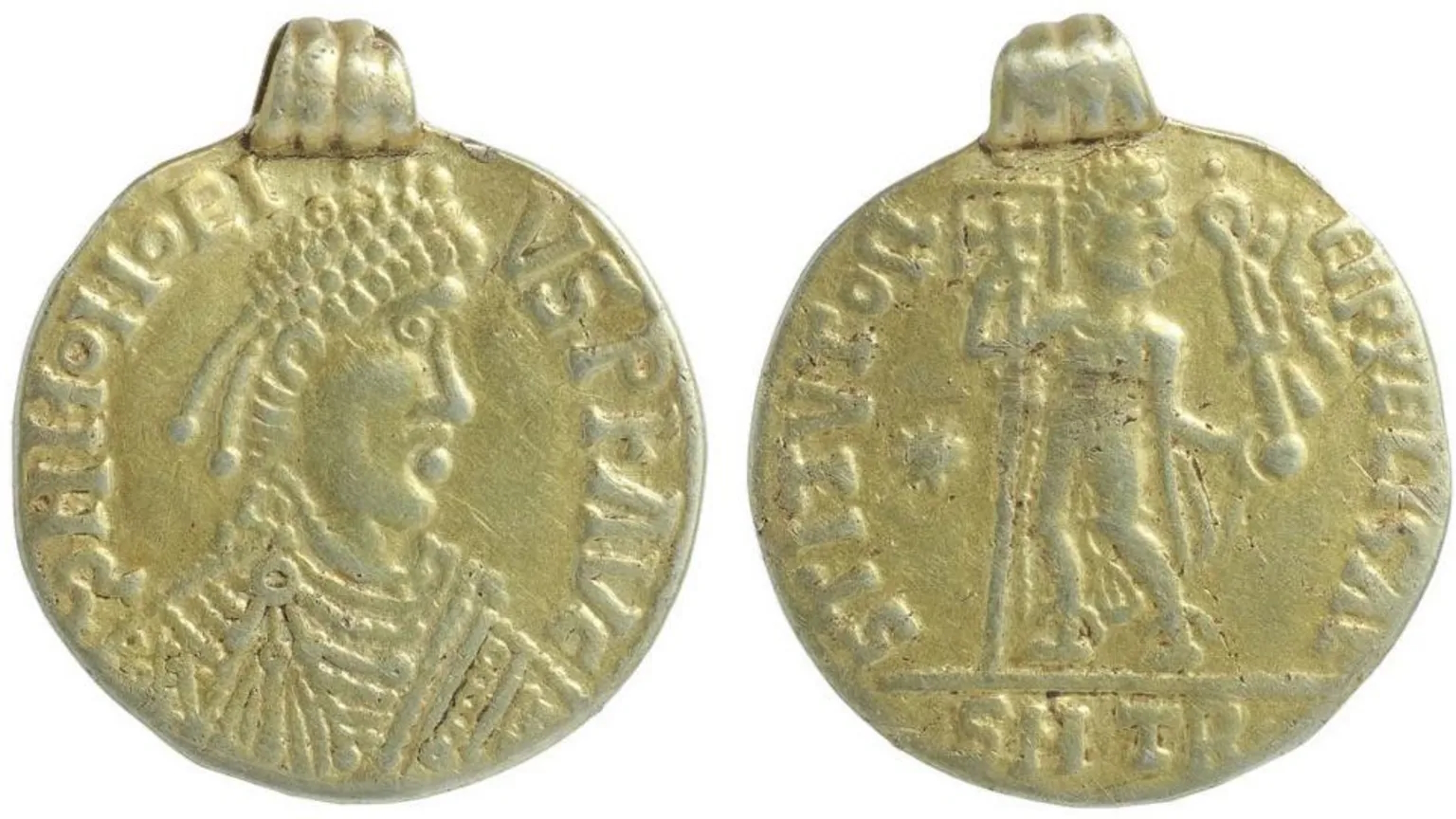
Urns full of burned remains of the dead were put in the ground. Coins are found, coins inherited from Rome. These coins were status symbols, status symbols evoking Roman power. A small golden loop is attached to many of these coins, for they would be worn as a necklace to display status. This is one piece of evidence suggesting that the Saxons were not just barbarians, as traditional history recorded, but they were significantly Romanised after fighting in the legions.
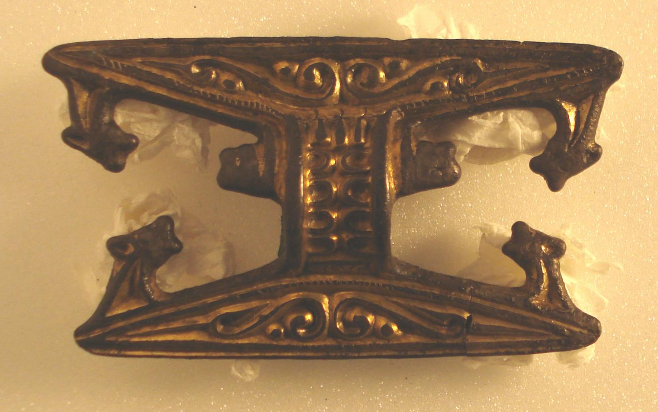
Wotan is depicted as a god of herbal magic. A high status lady has been cremated, and her brooch discovered in Issendorf. Issendorf is one of the biggest Saxon grave yards on the continent. There are very very strong links to England, to places like Essex and Kent. This artifact resemebles artifacts found in Cambridgeshire and Suffolk. Amber neckalaces is associated the goddess Freya. The style of pottery found in Issendorf can be found in Kent and Essex burials. An equal-arm brooch was found in Issendorf which has a similar style to Eastern England. Also much pottery is found in Issendorf cremation burials which matches the style of pottery found in Eastern England. Amber necklaces assocaiated with the goddess Freya are found in England and in Issendorf. So are coin styled brooches, and equal-arm brooches. Bow brooches found in Issendorf are found in Eastern England and Northern France.
It is clear from the female brooches found in England that women did migrate to the British Isles, but younger males were first to migrate much like today. Issendorf cremation burials, of which there are over 6000, were rich. They were laden with Roman riches gained from service by Angles and Saxons in the Roman regiments. Roman coins became status symbols, the so called Solidus, which would be hung by a loop from a necklace. The coins below show the Emperor Honorius; at that time the Emperor was seen as god-like. Similar solidus are found later except depicting the god Wotan. These coins were awarded to Saxon mercenaries in the Roman legions. Honorius was Emperor during the Saxon migration. The coin of Honorius, found in Norfolk and given as an award to Saxon mercenaries, proves that the Saxons were Romanised prior to the migration as a result of serving in the Roman legions.
07/02/2026: Notes on Origins of the Saxons
Recollections from the documentary ''Roots of the Saxons' by Tom Rowsell. https://youtu.be/RCciXiHIH-A?si=GzTC6ypRJiq4kF-p'English' comes from the word 'Angles'. For centuries, 'English' was synonymous with 'Anglo-Saxon'. Then, in the 21st century, far-left academics started to question medieval narratives of the Anglo-Saxon migration. By 2019, at peak woke, one academic Mary Rambaran-Olm said we should stop using the term Anglo-Saxon because it's allegedley 'racist'. This culiminated in 2023, when the someone at the University of Cambridge claimed the Anglo-Saxons never existed as a distinct ethnicity. The following year, the University of Nottingham followed suit, and said they were removing the term Anglo-Saxon from the curriculum in order to 'decolonise' the curriculum.
They ignored the fact that in Medieval Britain, the term Anglo-Saxon was used to describe the English people, and it isn't racist at all. In 2022, a landmark genetic study proved conclusively that Germanic migration of Anglo-Saxon people to the British Isles occurred. As a result, about half of British people's DNA is from these fifth century Germanic migrants.
Yet we do not even have to rely on genetic studies. The archealogical record is clear, and any German archeologist will be able to show you the evidence on the ground in the origianal homeland of the Saxons and Angles, in modern Niedersachsen (Lower Saxony) and Jutland. German archeologists would never deny the Anglo-Saxon migration because the evidence lies everywhere in the ground. In the sixth century, the Welsh month Gildas wrote that the Anglo-Saxons had been invited to the British Isles as mercenaries. But why did the Romanised Britons even consider the Anglo-Saxons as potential mercenaries? Well it's now becoming increasingly clear that the Anglo-Saxons were significantly Romanised, and had fought in the Roman legions. It may be that the reference to Anglo-Saxons as barbarians was Christian bias or propaganda to a little or greater extent.
05/02/2026: Notes on Origins of the Angles
Recollections from the documentary ''Roots of the Angles' by Tom Rowsell. https://youtu.be/nk2eBih14_8?si=YxjKnO2quJtJyRGXThe Angles lived in what is today Northern Germany and Denmark. The Saxons covered a smaller region to the south in modern Germany. Angles were enlisted in the Roman military, the Anglevarii regiment, such that Roman helmets are often found in burials. They were pagan believers. At this time, there was no concept of the secular, or 'religion'; the Other World so to speak was part of everyday life. They worshipped multiple gods, including Wotan, Thor, the Nerthus (Mother Earth or Terra Mater), and more. They sacrificed valuables like swords, broaches, even entire boats, into the bogs of modern Denmark and Northern Germany, such as at Thorsberg. Bogs were seen as sacred places, perhaps partly because of the abundance of life. These were biodiverse places, and perhaps images were drawn with the wetness and birth of the female womb. As noted by ancient philosophers like Aristotle and Anaximander, swamps were the places of extraordinary variety of life. There is much elaborate gold artwork, which to me seems denser and more condensed than celtic artwork. They wore plain textile clothes that look not so distant from today, sometimes with cords as belts. Sometimes there exists remarkable similarity with Celtic culture. For example, the emphasis on the value and sacred nature of horses and cattle. Some horses were even sacrificed in the bogs. And there is worship of similar and often animal-based gods. There is also a dual god, or twin god, hearkening from Indo-European traditions, as found on a pair of elaborate gold drinking horns. These drinking horns were lost relatively recently, smelted into coins; but were a key artwork of the Angles (though used as propaganda symbols by the Danes). Women would often wear crystals dangled from their waists to ward off evil spirits. Sexual promiscuity was much frowned upon, and this matches Tacitus's record that the Germanic peoples were highly monogamous and devoted for barbarians. Stone circles formed a central social function. Sacrifices were given. Political meetings were kept. They also acted as courts. These stone circles were the base for any social decision-making. It's believed these may have been inspired by Neolithic stone circles from a much earlier period, as found in Britain but also in Denmark. It seems Denmark later became much more dominated by Vikings. In the 19th century, there were disputes between Denmark and Germany over the border. Many of these (smaller than Neolithic) stone circles were lost in such battles.
Angles were in the habit of sacrificing one tenth of their captured enemies in the bogs. A prominent symbol appears in the Angle regiments of the Roman military on their shields and helmets etc., which is the two ravens of Wotan facing towards each other. This symbol continued down the ages. On the drinking horns are multiple gods and human figures. It is thought possible that the human figures are depicting ruins. Indeed the Angles wrote in ruins. Notably the swastika is quite present in several places. There are depictions of men wearing the head of a wolf. There is a depiction of two ravens carrying a fish - the fish is either Wotan or the evil god Loki. It's remarkable how similar the damp and forested, boggy, regions of Denmark are to England. Notably, these regions in Denmark remained pagan for nearly 400 years after Charlemagne attacked and forcefully converted the lower parts of Germany, unlike Britain.
15/01/2026: Summary of Pre-Saxon Britain
Celtic tribes inhabit the British Isles for thousands of years, but with no political unity. Julius Caesar attempts to invade from Gaul in 55 BC, but is stymied by the weather. Emperor Claudius successfully conquers in 43 AD. Celtic resistance to Roman invasion is remembered in the Arthurian Myths, embodied by Boudica of the Iceni in modern Norfolk, and courageously displayed by the Picts at the battle of Mons Graupius against Agricola and his legions - "You make a wasteland and call it peace." This is the first bout of 'Scottish' resistance recorded in Britain. The speech is recorded by Tacitus, though it is probably not historically accurate.Romano-Brittish culture, part Celtic and part Roman, emerges in the centre and west of what is modern England. Coinage, mosaics, villas, education, pottery, olive oil, wine, trips to Rome, infrastructure, roads, and significant growth of population in places like Cirencester and Gloucester are benefits of the Empire in Britain. It is a level of culture and civilisation and population not seen again until the Medieval period. Areas like modern Cornwall, Wales, Northern England, Scotland, and Ireland, however, remain relatively untouched by Rome. Hadrian's wall is built across Cumbria and Northumbria, and later the Antonine wall is built between modern day Glasgow and Edinburgh.
Christianity is then brought to the Romano-Britons. Before this, St Alban is persecuted and beheaded near the place which carries his namesake. Later the Roman Empire becomes Christian. Hence Romans are in Britain from roughly 43 AD to 410 AD. During this time, the Romano-Britton St Patrick is captured from Carlisle and taken to Ireland as a slave. He escapes back to the British mainland. Later, he returns to Ireland taking the Word of the Gospel back with him. Thus the Romano-Brittish or Romano-Celtic form of Christianity, the older form, is taken to Ireland and remains across the Western parts of Britain even into the Anglo-Saxon period and beyond. In 410 AD, the Romans leave. Now many Romano-Britons revert back to pagan Celtic belief, or take on the pagan Germanic faith of the Anglo-Saxons, who conquer the remnants of the Romano-Britons and intermarry with them. Much of what is now modern England hence becomes of pagan Germanic faith. Meanwhile, the older Romano-Brittish or Romano-Celtic form of Christianity survives in the West and in Ireland thanks to St Patrick and the like. By the Grace of God, Pope Gregory eventually sends St Augustine on a mission to Kent, and he is established in Canterbury. He begins converting Saxons and Angles and Jutes in this region and in East Anglia to the faith. Hence, a centre is formed in Canterbury for Anglo-Saxon Christendom. Meanwhile the Scots of Ireland have invaded mainland Scotland and fought the Picts then intermarried with them. They bring the old Celtic church of St Patrick to the west of modern day Scotland, the region known as Dalriada. Celtic monks practice 'wandering', they set sail from the shore alone and let the boat and the currents take them where it will. Thence, does St Columba establish a monastery on Iona. From here, the mission of the Celtic church is expanded to the Angles in the Northumbria and Deira (near York). The famous monastery of Lindisfarne is established. St Bede the Venerable records this in his Ecclesiastical History of the English People. St Aidan establishes the Celtic church at Lindisfarne and many Angles are converted. Meanwhile, Saxons in the south of what is today England are converted by the mission at Canterbury. Thus does Christianity come to the Anglo-Saxons. The Celtic church is echoed in the Archdiocese of York, and the newer Roman church in the Archdiocese of Canterbury. The Province of York and the Province of Canterbury are the two provinces of the Church of England to this day. There is later argument between the old Celtic church and the up-to-date Roman church about the proper timing of Easter. The Vikings later ransack Lindisfarne, then Wessex becomes the last Christian stronghold against the heathen Danes. The Danes conquer much of the traditionally Angle territory, which becomes the Danelaw, and such places as Lindisfarne, and notably York (Jorvik).
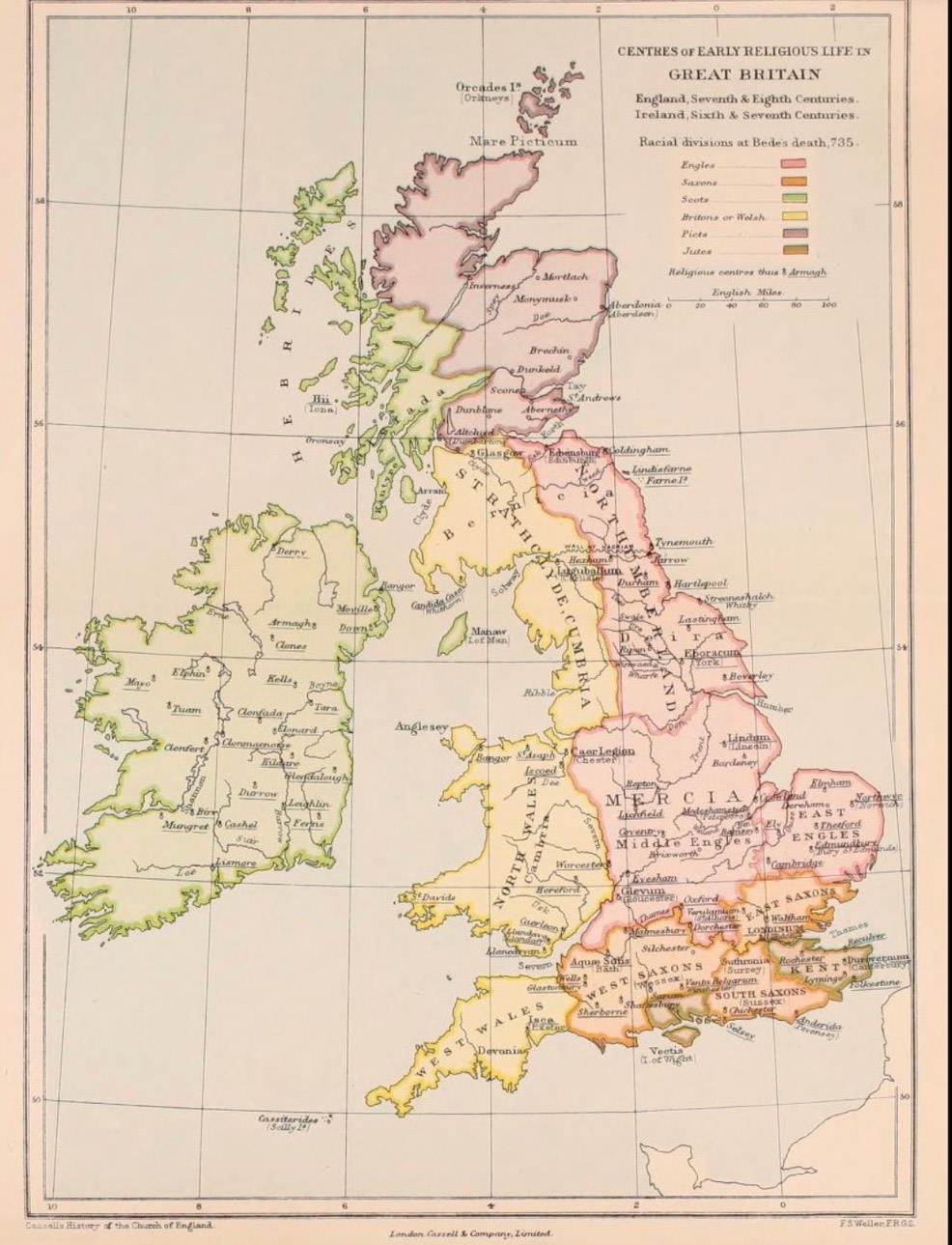
As far as I am concerned, the racial, genetic, and cultural make-up of these Isles has not much changed beyond that recounted by Bede in 735 AD, as shown in the map below, even to this day. The Norman conquest did not much alter the gene-pool, as relatively few Norman's had ruled the rest, in a fashion similar to the British in India. Hence, the racial profile of England follows pretty much the same lines as those below, according to my estimation. Broadly, you see the Celtic West and the Germanic East. The Bell Beakers and the Corded Wares. Bolton lies in the land of the old Britons or the Welsh, hence its backwards echo of Celtic culture and why I never felt at home there. My dislike of Bolton is because I much prefer the Celtic culture of the Picts and Scots to the old Brythonic, which is weaker. And although historically more Christian, the Celtic West became more pagan over time than the Germanic East. And yet, both the Industrial Revolution and the Scottish Enlightenment were bourne of the Celtic regions. Does not the chaos of the pagan beget new ideas? Bedfordshire, Yorkshire, Derbyshire, Nottinghamshire, Norfolk, and Suffolk, on the other hand, are positively within the region of the Angles or Engles. My blood is Angle for the most part; my surname meaning 'Thorny Meadow' in Anglo-Saxon English. But the Angles were taught Christianity by the Celtic church, via the mission of Iona. Know thyself.
15/01/2026: Notes on the Anglo-Saxons by James Campbell: Summary of Pre-Saxon Britain
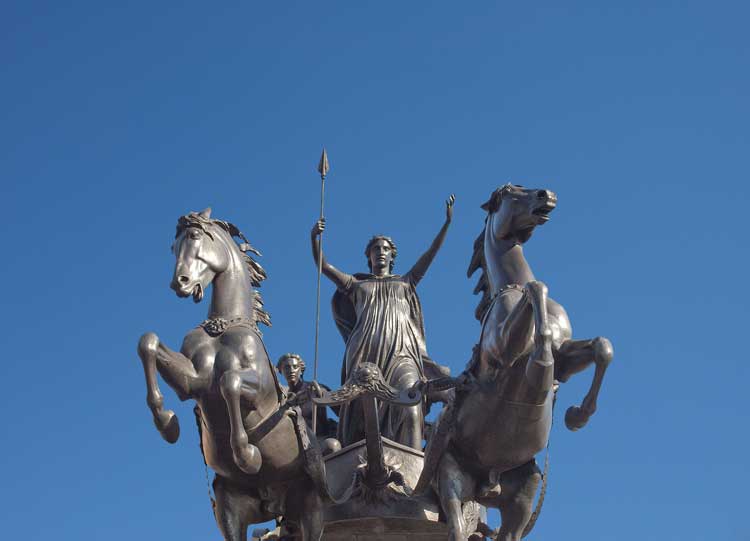
Recall from reading so far of this book.Britain pre-Anglo Saxons was significantly Romanised. At least in the centre and west of modern England. Extensive coinage can be found across Britain, but particularly in these areas. Romans left in the 300s. Romans brought their way of life to the native Britons. These Britons originally had a Celtic culture which became hybrid Romano-Celtic. Devon and Cornwall were much less Romanised. As were Wales, the North of modern England, modern Scotland, and Ireland. However, the Romans were present all the way up to, first, Hadrian's wall, spanning coast to coast across modern Cumbria and Northumbria, and even later presence at the Antonine wall spanning the modern Firth of Clyde to the Firth of Forth. The northernmost Roman settlement in the Empire was in modern day Scotland at Inchtuthill. Yet the Romans did not see Scotland as worth conquering - the land was too hilly to be productive. However, the extent of Romanisation in modern England seems extensive. Estimates of population of certain Roman towns are evidence. Cirencester had a large population. Gloucester area was heavily romanised. East Anglia, modern Norfolk and Suffolk, were less Romanised because of the marshes and fens. Romans brought significantly advanced infrastructure. particularly roads - e.g Watling Street that leads up to St Paul's Cathedral in London and beyond, and the Fosse Way. It is now thought (as of 1982 when the book was published), that the population of Roman Britain was significantly greater than Medieval Britain, or at least in the towns. Roman Britain is a period 100-400 AD roughly. Much of the Roman infrastructure, like roads, were not improved upon until past the Middle Ages and well into the Medieval period. It is clearly evident that Britain went significantly backwards for many many centuries after the Romans left, such that even the population is believed to have decreased. The Romans made deals with certain Celtic chiefs. The first conquest of Julius Caesar failed due to weather, but he gathered intelligence and connections. Emperor Claudius successfully conquered. There was significant Celtic resistance, as embodied by the figure of Queen Boudiccia, leader of the Iceni tribe in modern day Norfolk. Her statue stands outside the Houses of Parliament today as a symbol of Celtic resistance against Roman conquest.
Thus, the Romans had pushed the Celts to the Western-most parts of the known world, on the Western side of Britain, whilst the core of modern day England became significantly Romanised and Christian. After the Romans left, the Romano-Britains in modern England reverted, plus the arrival of pagan Germans. The Celtic church or the 'pre-Saxon Romano-Celtic/Romano-Brittonic' church, was maintained to the West during this dark period for modern day England. During the Roman period, St Patrick had taken Christianity to Ireland and the pre-Saxon form of Christianity (Romano-Celtic/Romano-Brittonic) was preserved their through the Dark Ages. Eventually and later, via Iona Abbey, St Columba, St Aidan, and the Celtic church were brought to the mainland Saxons, especially around Deira, which is modern day York and Northumbria. Here the tribe of the Angles had settled. This explains the key Northern centres of a more Celtic type of church at Wearmoth-Jarrow and York, where St Bede the Venerable wrote down and recorded these events in Ecclesiastical History of the English People. Hence had the pre-Saxon church, Romano-Celtic or Romano-Brittish, had survived the Dark Ages on obscure isles and was brought to Northern Anglo-Saxons and Scots. Later, Christianity was brought independently to modern England via Canterbury as Pope Gregory sent his missionary St Augustine to Kent. Hence, their was established a Celtic church in the North,in Scotland and Ireland which taught many Saxons. Independently, a newer and updated Roman church came to modern England via St Augustine at Canterbury. It is for this reason that the two main Diocese of the Church of England survive as York and Canterbury. The Archdiocese of York is like an echo of the Celtic church. The Archdiocese of Canterbury is the legacy of Pope Gregory and St Augustine.
09/01/2026: New York and America and Petty Origins
Stream of consciousness on New York trip:Unknown achres of new space, expansive vast open land for building, build, build, build, build ceaselessly, and when you run out, build up. In Europe when the space runs out they stop building. In America they started building up, the first skyscrapers in the world. Stone skycrapers. Could a Roman ever conceive of a stone skyscraper? Old and small Europe in your distant memory, already you are an American, all this new land equals new opportunity, free land not owned by Norman aristocracts. Vast and open land available for the taking. Opportunity. Opportunity of land for the common man. Everything the same but bigger. Merciless individualism. Not a welfare socialist state like contemporary Britain. The second you arrive you're on your own. Go figure out how to survive. The raw survival instinct suddenly alive in your blood. The adventure of first surviving, then building something great. Being on the brink of survival, yet looking up at what other men have built for themselves. Planted their name, ROCKEFELLER, in stone. Stone skyscrapers, could Europe ever comprehend it? The survival instinct, whilst surrounded everywhere by impossible constructions, so you look up and feel small, yet think, are inspired by what other men have built. As Marcus Aurelius said, 'If it's humanly possible, you can do it too.' Why would this pinprick in the ocean on the other side of the world even enter your conception when you are in America, this huge place, this World Leader, full of opportunity and energy, this place which is surely the centre of all things, why would it enter your conciousness, a little island? Yet it hangs, lingers, in a small spot somewhere in the back of the American mind. You go there and you become an American for a bit. Why would you think of Scotland? Of England? Yet in inhabits some tiny space in the back corner of your mind.
You arrive at JFK. Immediately you notice - massive black cars that shoot down the highway which is massive and they don't stop. Your car is broken down on the side of the highway but the cars don't stop. There's no careful timmidity, hesitation, no little consideration of an English road. Even the roads are wider. People keep driving in their two ton black trucks that they shove in your face and say I own this it's mine, I'm here and I'm going where I want to go and I don't care about you over there.
Fierce individualism. Survival instinct. No safety net. The survival instinct is alive in America and you feel it. And you walk over Brooklyn Bridge, you wander like a Celtic monk and see where God puts you and where he puts your feet. He called you to go to New York. He called you to walk. You walk from Prospect park to Brooklyn Bridge to the One World Trade Centre go up it come down and walk along the whole of Fifth Avenue until you hit the Apple Store which you circulate and loiter around for the free phone charging. Apple. An empire in itself. The GDP of an entire country. Innovation, drive, risk, sacrifice, balls, ingenuity, technology, minimalist branding. American symbol. The service is immaculate everywhere - everyone is delighted to talk to you. And it has the same extroversion and Scotland - people talk to think and people do things.
And you walk over Brooklyn bridge and the stunning skyline just fills your whole view. Like on the Turton moors, where your entire field of vision was filled by two halfs. Lower down the band of muddy yellow grass and above it grey sky moving in ominous slow motion like a sea bristling with the energy of Odin, the stun of Thor, the cold and wind burning your ears. The air above dancing with the grass below in a great symphony of thrushing and hissing. Now your whole field of vision was filled with skyscrapers. And this great powerful industrial construction of Brooklyn Bridge, so old yet so massive that the floor is made of wooden planks. And in the distance the Statue of Liberty in its teal conception. Oh Liberty! Die for Liberty!
And you see the American flag hanging from the wall as you enter immigration at the airport. Draped in simple elegance and glory and simple pride. And epic music is played as you enter the booth. The theatre of America, everything Hollywood, everything an advert, everything is sold and everything is salesmanship. Raw capitalism, raw and untrammeled industry, raw power, raw might. The final stronghold of Christendom, of Rome, and final stand for the Anglo-sphere, for Scotland, for Ireland. With a dash of Italian pizzazz, and shot of German coldness and literal thinking. Created by England, given its character Scotland and its spirit by Ireland, built by Italians, cut through with Germans. Why would a tiny pinprick in the ocean on the other side of the world even enter your mind when you are here? How can anything exist outside of this huge place of endless opportunity? Yet Britain does sit somewhere mysterious in the corner of the American mind, like a lingering feeling that is not properly understood, an intuition.
And you feel like an Italian immigrant, coming through on the boat and seeing the Statue of Liberty. O, cherished Liberty!! Fight to death for Liberty! Like the Godfather in the Godfather II arriving in New York. And you feel like one of those in the long list. On the rocky misty shores of Dalriada, of Ireland, the last outpost of the Celts in the world, on the edge of this British Archipelago, you once looked out, looked out to sea from the Kintyre peninsula, from the glory yet the harsh repression of Scotland, you looked out from the Kintyre peninsula, amongst the salty mist and the briny peat of Ireland, on the road to Campbeltown, veins and blood full of the 'Spirit' of whisky, which the Celts thought would take you to a higher form of consciousness, to the 'Other World', a key part of pagan religious ceremony. On the road to Campbeltown, so close to Ireland from the British mainland, you looked out across the sea. Like some Logan Roy, some Andrew Carnegie, after four years living in Scotland and knowing it so well. After a Scottish whisky bar, a Scottish girlfriend, sandstone tenements of Glasgow, the cold dark and harshness, made jovial by the whisky and folk bands and the light and warm company. You looked out across the sea like some Andrew Carnegie, towards the New World.
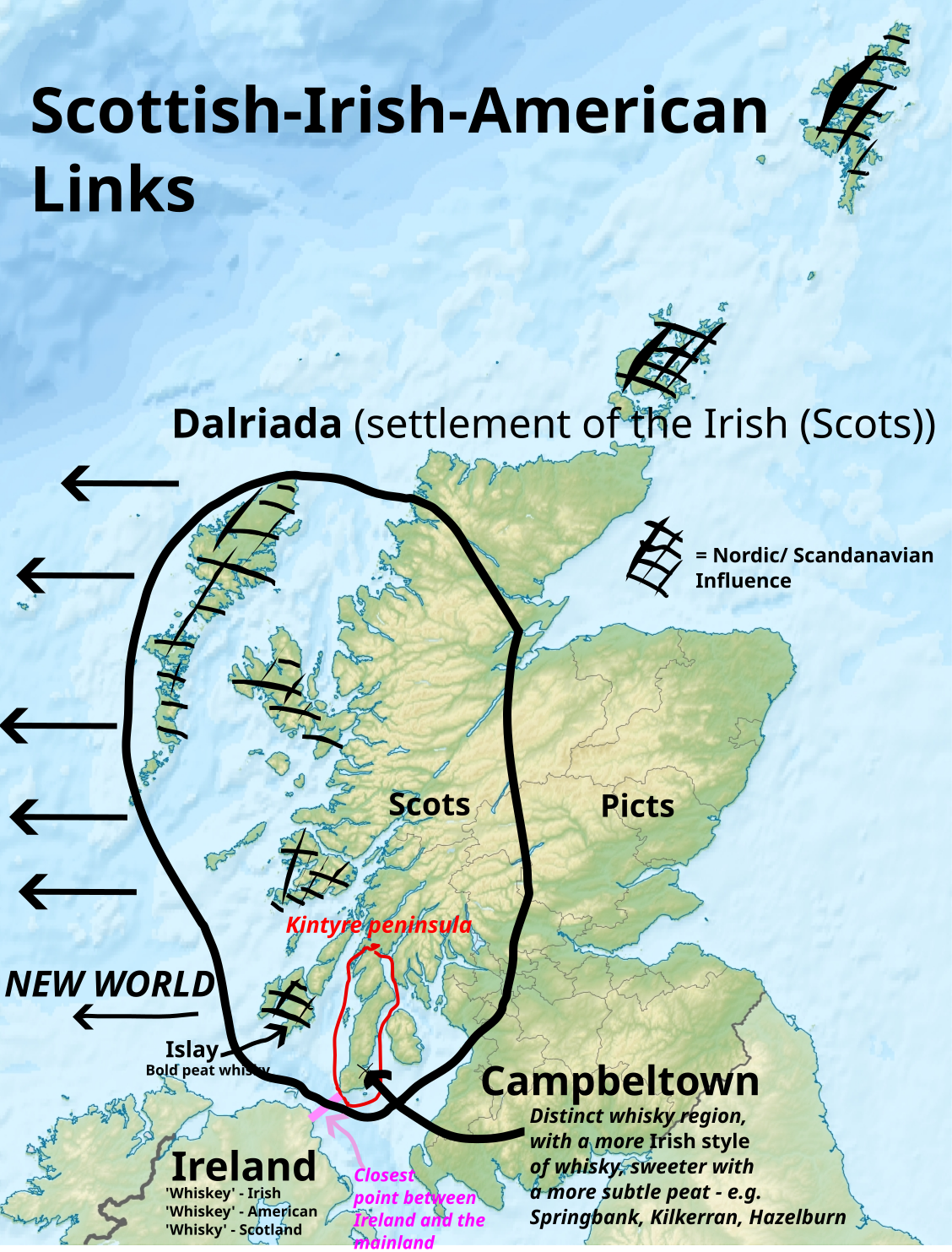
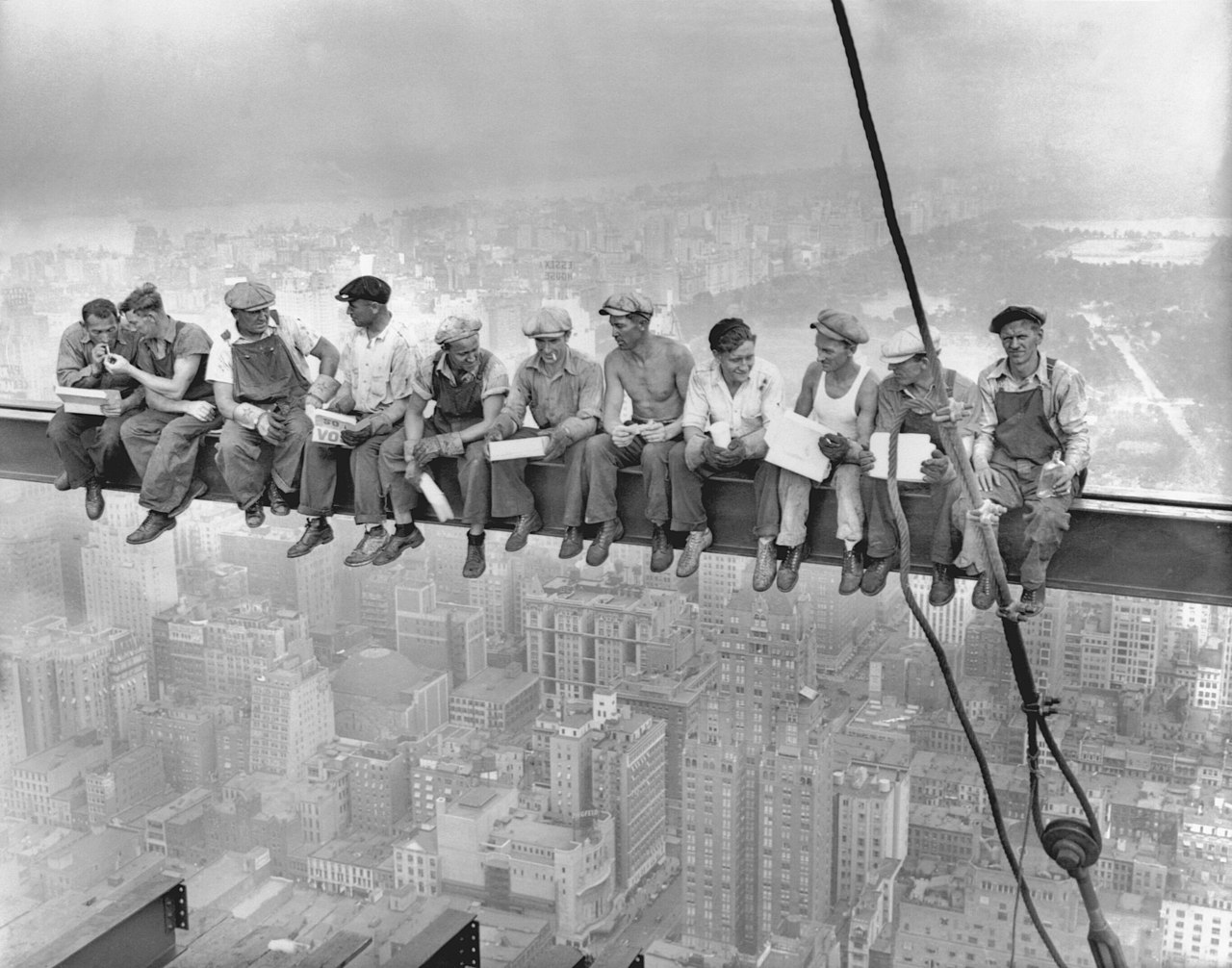
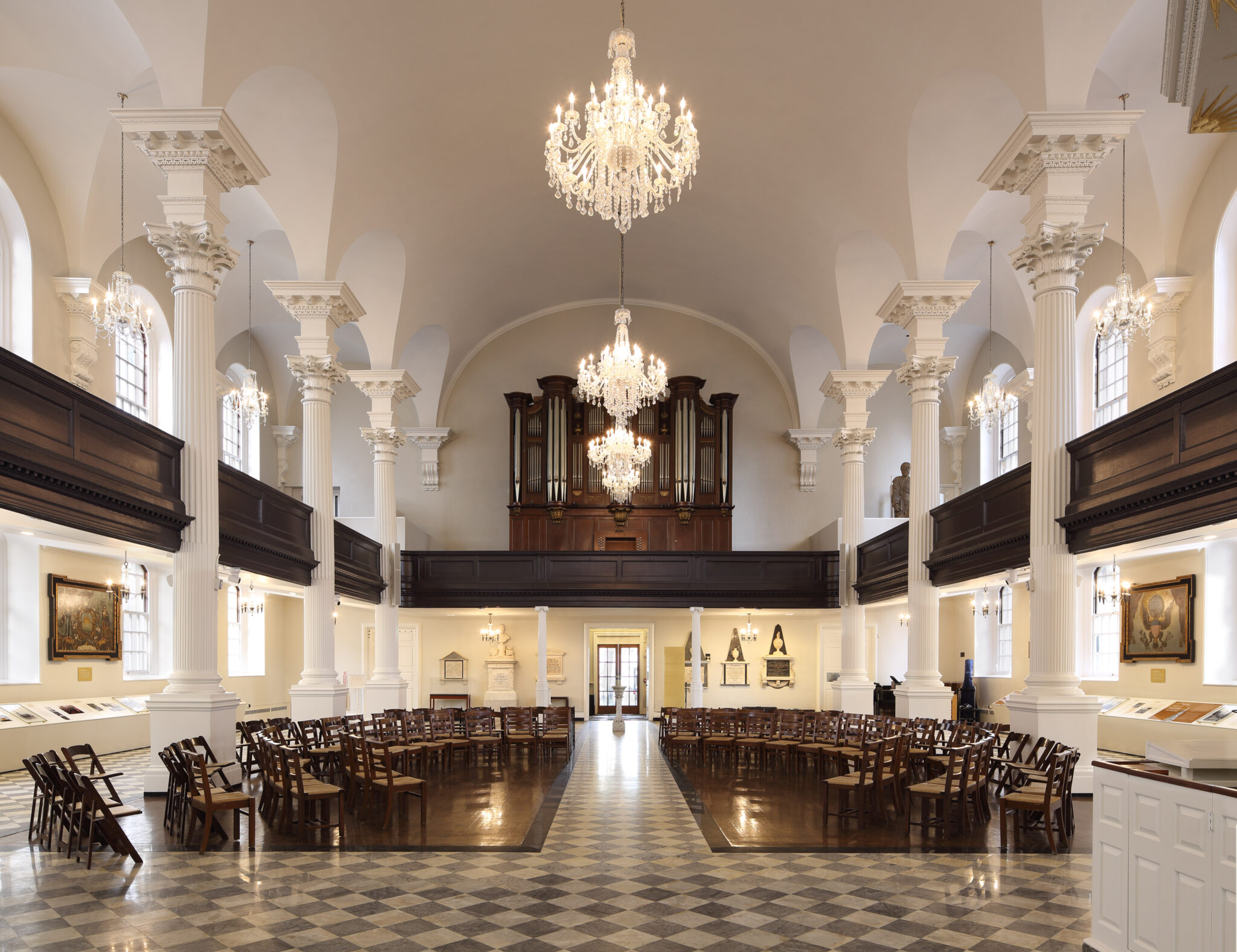
And then you wander like a Celt so lost. You wander around Britain looking for answers. You wander around your blood-home York, and walk around the Roman walls. You wander into Yorkminster Cathedral. You wander around Manchester. You wander into various churches across England. You wander around London and Canary Wharf. You wander over the Moors. You wander around the Celtic Stone Circle on the Moors, you brush the stone with your fingers. Then you brush the Gothic stone of Manchester Cathedral with the same fingers. You wander around Britain looking for answers. You still feel like half of you is missing. Then you wander over to New York from England. And you wander around New York. Wandering from Brooklyn and across the bridge on a Sunday you end up in St Paul's Chapel in Uptown Manhattan. And you feel immediately the civility, the peace, the grace, of the English. Where George Washington prayed. You only noticed it was English when you saw the Book of Common Prayer on a bookshelf by the side. Great black and white-tiled floors. Grandeloquent white chandeliers above. Security guards by the door, and a metal detector check as you enter. Guarded becuase an area of national significance? On the wall, the painting with the Turkey, Franklin wanted the Turkey as the national animal rather than the eagle. The church was empty on a Sunday except for a handful of visitors. The security by the door were all black. The faded painting on the wall, 'E pluribus unum'. The part and the whole of the Greeks. The grace of the place, quiet dim light. Such peace, sandwhiched between such walls of skyscrapers and raw Scottish capitalism. You sit in the chair and hang your head. You are moved to tears. You don't know why you weep. You weep because you are lost and wandering. You weep for England and you weep for America. Because whilst others don't see what you see, you see it dying before your eyes. Everywhere you turn, you see Christianity ebbing away, the dignity of man ebbing away, the toil and struggle of our ancestors, all they built, the peace they built. The people you know, your kin, your people, your towns and your villages, drifting away, The emptiness, the soulessness of the modern Anglo-Celt. The emptiness. Spiritually dead. So many of us spiritually dead and unknown to our God. A God that helped us build the world, to build peace, You pray for England and you pray for America, for the sake of our ancestors, and you pray for forgiveness that we turned away from God. Now we see the destructive consequences. In the Old Testament, when the Israelites turn from God, the result is that they are ruled and enslaved by their enemies. Satan will work through the Jews and the Moslems to destroy and enslave the Anglo-Celtic race for as long as we do not know our God. Without the grace of Christ, we abandon family, we abandon local community, we abandon kin, we do not value life as a gift from God, and without all this we do not reproduce. The ritual and routine of Christendom alone preserves us. The routine religous framework of Christianity is the only practical framework that will lead to the respect of family and indeed for life itself, respect for and engagement in community and love of kin, in which to preserve the Anglo-Celtic race, or furthermore the European races. The Anglo-Celtic world order has lead since the defeat of Napolean in 1815, and has brought forth such fruit and such fountains of peace and technology and prosperity to change the face of humanity and human flourishing. This was acheived only with the help of our God. But we are not just looking at the end of the Anglo-Celtic world order, but the end of the European world order. The Christian world order which has existed since the Spanish and Portuguese empires of the 1400s, and the legacy of Rome and Greece themselves. Thus in this sanctuary of Christendom, in the delicate heart of New York of St Paul's chapel, in the vast shadow of George Washington, did I pray for England and America. For God to once again shine His light on us and to bring us reassurance and confidence.
I do not believe it is a lie, but if this story of Christ were a lie, regardless, belief in it causes our lives and societies to improve. 'By my fruits you shall know me.' Look at the fruits of Christendom! It is practically true, because having faith to believe in these stories shapes our minds in such a way as to shape society, to shape it onto the flourishing course of liberty and responsibility, and into prosperity. The Church alone made Europe literate.
We see the fringes of the British Empire, the Anglo-sphere, crumbling. South Africa, Palestine, Nigeria. Broadly along the lines of the British Empire, and the Anglican church, A great power vaccuum. And even the English-speaking countries themselves, bar America, crumbling, without Christ and without Unity, replaced with Wokeism. We see the Trump adminstration trying to fill the shoes. For all the power America now has, does it match relatively to the role Britain had, if we are seeking honesty? Will it see out the next century? We can even say that Pax Britannica lead from 1815-1914, and Pax Americana has lead from 1945-onwards. The interregnum period? Two catastrophic World Wars. This is, it seems to me, evidence of what happens when there is no clear global hegemon. We cannot afford a multi-polar world order. The Trump Administration is completely aware of this, hence the drive of all of its policy towards crippling China. Consider also the coincidence that the final stronghold of the Anglo-sphere is being lead and saved by a German-Celt. How long can America really sustain this lead, considering it was nearly on its deathbed before Trump? There is no such thing as a multipolar world order. It doesn't exist and it will never exist. The Trump Adminstration knows this to the core. They also know they will die without Jesus. They also know they came from Europe, and they are scared of what will happen if Europe, like the foundation underneath them, collapses under them. Maybe some, like Wotan, want to see the chaos. To create chaos so they can rule over the ashes in active rebellion against God.
Where is the centre of Western Christendom today? Your local church? Yourself? I guess for most people in the West it is the self, it was and sometimes still is for me. The Body of Christ? St Paul's Chapel in Uptown New York? The White House? London? Westminster Abbey? Rome? The Vatican? The Pontic-Caspian Steppe? Maybe the problem is that we can't answer that question. Where do I think it is? I feel the centre in my local church. That comes under the centre of the Church of England, which is broken. So the centre would be Canterbury Cathedral, or Westminster. But they are broken. Though the Church of England comes under this hierarchy, with the King at the top, the Archbishop of Canterbury, my local church has split spiritually in all but name. So the local church is my centre. The Body of Christ, Holy Communion, is also my centre. The People of the Church are my centre. Is the Holy Land the centre as well? Maybe. A network of centres. Shit hits the fan when the top of this hierarchy of centres is broken, the King, the Archbishop. In that case, the local church breaks away, their is a fractioning in the hierarchy, as happens repeatedly in the Bible, and a new order arises. With Christ at the top, that's the only element you need. In Christ there is eternal hope, by definition. Meanwhile Satan will continue to work through each of us to attack God and rebel against Christ, and he will work particularly effectively through those directly opposed to God, Jews and Moslems and athiests. And yet we remember both Jews and Muslims are blessed by God, as children of Abraham. We also remember that the offspring of Abraham and Hagar, the Ishmaelites, the Muslims, the Saracens, ' will be a wild donkey of a man, his hand will be against everyone and everyone's hand against him, and he will live in hostility toward all his brothers.'. This is what God says of the Muslims. Yet they are also blessed by God as (illegitimate) children of Abraham, so we are wary of cursing them. Meanwhile, the Jews are the Chosen People of God. Yet the existential tragedy of the Jew, the coldness and loneliness of the Jew, is that they rejected God as the Messiah, the Lord Jesus, in spite of being the Lord's Chosen People. We should remember that not all Jews rejected God but that many Jews accepted Jesus. Yet to this day there are those that didn't. In the Bible these are the Pharisees (doesn't that sound like Pharaoah, similarly rigid?) the rigid rule-followers, the academic hypocrites, and the lawmakers. The pharisees move Christ to wrath and anger. We should remember that even Christ resorts to wrath against the pharisees and violence against those who desecrate the temple, contrary to the popular feminine distortion 'Christianity = be nice'. The tragedy and duality of the Jew is that they are the Chosen People of God, and yet they reject him. Hence we hesitate to curse the children of Abraham as Gentiles, and the Jews especially as God's Chosen People. Yet, though we are Gentiles, in Jesus we are the true Israelites and the New Jerusalem and hence the true children of God in Christ's Holy Communion. Through those will he work effectively. In our hearts will Satan work to rebel against God. So much peace and flourishing and glory to God has come from the Anglo-Celtic world order, that of course Satan will work to destroy it through his vassals.
What remains of the Anglo-Celtic world order without Christ? As Tucker Carlson rightly noted in his interview with MP Rupert Lowe, what defines the spirit of these people in contemporary Great Britain? The spirit of a conquered people. The destruction of their self-confidence. Smart Americans recognise that is not good for America. In many ways, London remains a centre. Consider that the 'Open Society' philosophy was born in London at LSE. America, Canada, New Zealand, South Africa, were born of Britain. They were born when the centre was London, maybe Westminster Abbey. Maybe that was the centre of Western Christendom for a while. Maybe London was and is a centre for America, one of several, hence why Trump has chosen in particular to attack the Mayor of London. America somewhat split off from this centre, like the tribe of Judah from the tribe of Israel. And thank God they did. Trump intuitively sees the importance of London as a Celt. The Celts know how to use intuition, unlike the Germanics. Then what is the centre of America? Maybe something like St Paul's Chapel in New York. Maybe your local Church is the centre. Maybe the self, the individual. Yes, in America and England the individual has become the centre. That is the natural conclusion of Protestantism - Protestant Sects and eventual atomisation. Community has been thrown out as people have stopped attending church. But a country is not a set of individuals, there has to be a unifying force. A flag, blood, a story, a history, a culture. Ideally all of the above, under God. But 'under God' is the most essential part. The others can drop away but that fact must remain. Christianity naturally puts the spotlight on the individual, hence the endgame is this to the extreme. A similar phenomena has happened in England, except that England simultaneously lost its hegemony and was crippled by WWII. The Body of Christ, or the Church, or the Bible, maybe the Holy Land, maybe Rome, or the individual, or the family, or the community, are the potential centres of Western Christendom. But Christ has to be the essential core; 'under God'. Much of our history has been fighting over this - for example, Church or Scripture as the essential core? This was the question of the Reformation.
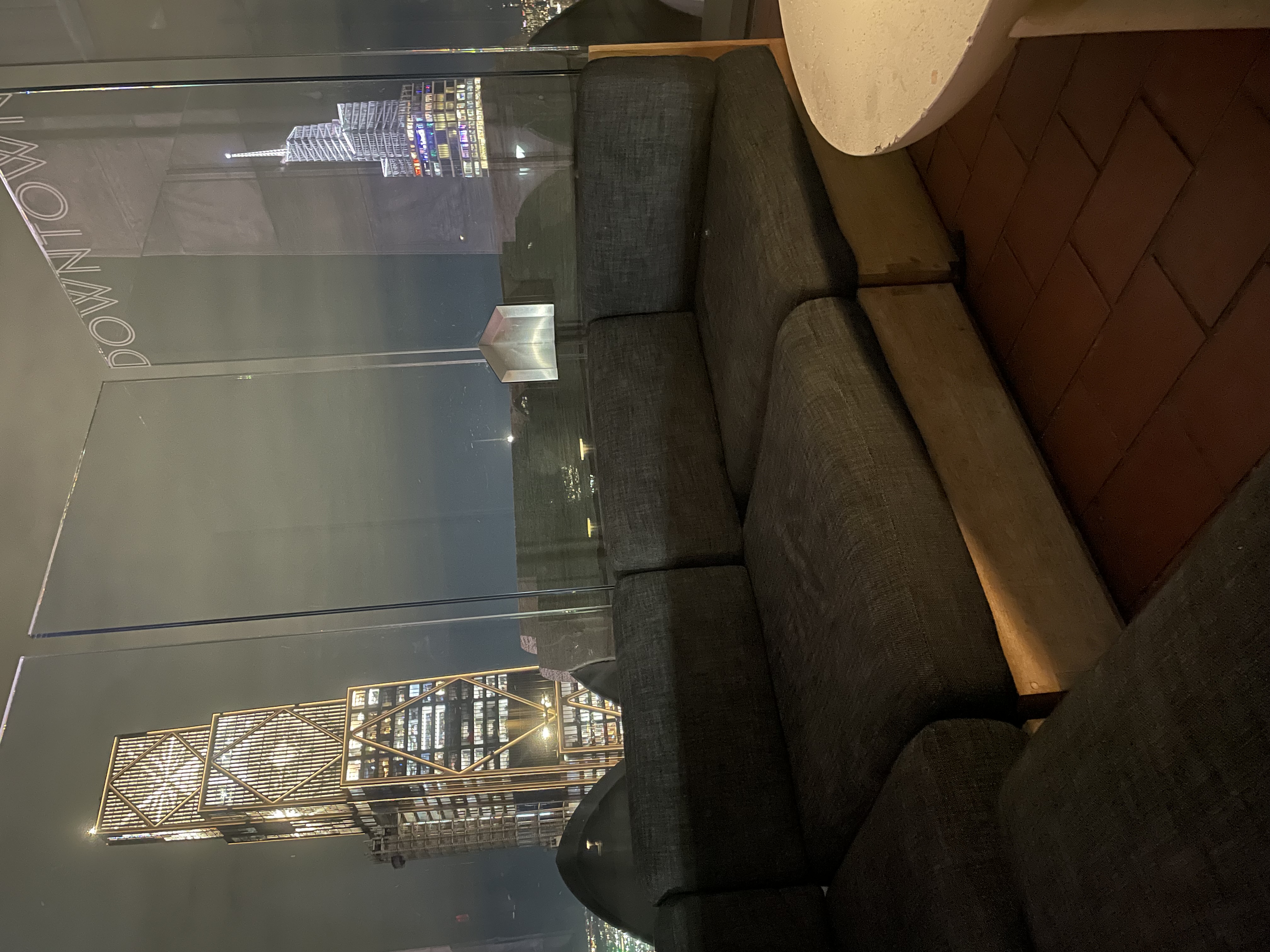
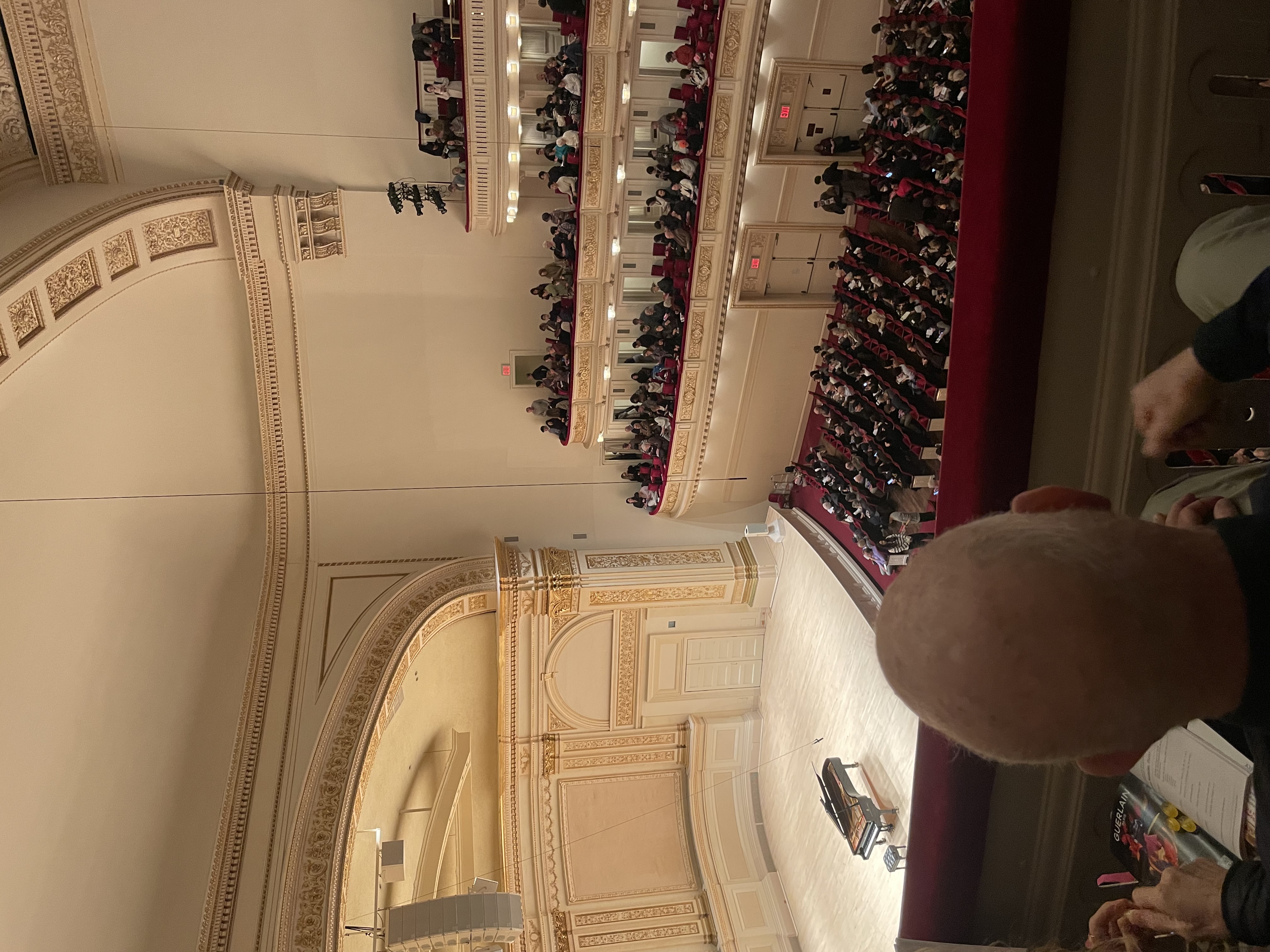
Afterwards you stumble into an Irish pub and suddenly feel warmth and laughter like you're back in Britain. You walk up to the bar and ask for a Power's whiskey and immediately felt at home and like you were back in Scotland and the guy answers in an Irish accent and looks at you like an old friend and like a blood-brother. In the middle of New York! Gone is the coldness of the Jew. Because you know the character of the Celts by Scotland and he knows you know by the way you walk up to the bar and talk to him, you know it from working in a Scottish whisky bar. You stand at the bar and the Americans next to you look at you awkwardly and say something like hey we're sitting here, and you say I'm just grabbing a drink, they don't know the homeliness of walking up to a bar and talking like you've known the barman like an old friend. Neither did the German in Aachen. Neither do a proportion of the English who were never touched by the Celt. The Irish like to emphasise their independence as they should and I'm glad they do, but there's a blood-bond with the British whether they're aware of it or not. Just like the Scots share with us the shared memory of Empire. Scots and Irish have flooded into England and vice versa for centuries. The Irish imigration to Yorkshire in the Industrial Revolution. The Manchester-Irish link. The Celtic memory of Northern and Western England. You have no Celtic blood, but you were raised amongst it and you know your brothers. The brutishness of the Scottish soldiers throughout history. The Celtic Church shaping the North of England, Northumbria, St Columba and St Aidan taking the church to Lindisfarne and the Angles. The Irishman on the bar serves you like you're in a Scottish pub, suddenly you feel the warmth of Ireland after the cold industrial hall of Carnegie, Pictish. You get the guy to show you somewhere to charge your phone. You enter into a little piece of Ireland, a little corner or nook of Ireland, in the heart of New York. That just adds to it's character and it glory. Like the Jewish Leman collection at the MET, and the Jew Mahler at Carnegie hall. The coldness of the Jew, the brutishness of the Pict, and the warmth of the Celt. And the blood-bond with the Celts, with old Ireland, with Irishmen.
You became overtaken by the image of these powerful industrialists. Rockefeller, Carnegie. In Brooklyn, the old industrial part, massive inconceivably massive hunks of metal spanning overhead. Just sheer size.
Adam Smith, the Scottish Enlightenment. Glasgow, and the shift from East coast links to mainland Europe, Edinburgh, to the industrial boom of Glasgow, and the trade with the New World. Fierce individualism. Celtic extroversion. Business acumen and personal liberty. Violence. Masculinity. The Scottish captains which fought off the French for Canada. The Scottish Governors of Madras, Bombay, and Calcutta. The Scottish warriors of World War One and World War Two. The illicit trade of whisky from this pirate like coves of the Western Isles to the Caribeaan and the New World, like some pirate cove. The wandering Celtic church, setting sale and letting God direct them, the 'wandererd'. The founding of Iona Abbey. The preaching of St Columba and St Aidan to the Angles in Northumbria, the preservation of Christianity through the dark ages by these Scottish island hermits. The magic of Inverary, the submarines into Inverary, the submariners drinking whisky in the George Hotel. Drills for the Normandy landing in Inverary. And the young men risking it all looking out to see towards the New World. The straight organised streets of Glasgow, these new cities that emmerged later than the winding ancient streets of Edinburgh and London, straightly organised and arranged like a cross-hatch, mirrored in New York.
And the Scottish Englightenment, occuring just as America is founded, and flowering in America. And raw brutal freedom and raw capitalism. The impossible stone skyscrapers. The 'New World Symphony'. Carnegie Hall and the Rockefeller centre. Permanent markers of raw risk taking and raw and sheer tenacity of spirit, of these Scots and Germans. Untrammeled capitalism of the Scottish englightenment. And Carnegie Hall, completely different in character to any hall I've felt in Europe. Sheer size. No delicacy. Brutal hard and cold stone, raw industrial might, with the name, Carnegie, plastered on it for ever. This is what the New World offered you. The violent and tenacious Scots and the untrammeled capitalism, the liberty from monarchy or European tyrrany to pursue the full capabilities of the self. Nietzschian indivualism, raw individualism that is almost German. The Carnegie Hall has none of the careful delicacy, and intricacy, and politeness of European concert halls. And then it attracts such astounding modern/romantic composers of Dvorak and Mahler. And you walk alongside Prospect Park and see these old attached buildings of a completely alien style to you. Old buildings of a style you've only seen in old-fashioned American horror movies, set in the 20th century or earlier. Massive buildings of alien architecture which gives you a sense of the character of the New World. Less cultured, less careful, less delicate. A simple elegance without the frills - Scotttish and German, not French. Roman, not Greek. There's no Greece in America. It's all Rome. There's no French aristocracy passing on their delicacy to English aristicracy - it's all Scottish tenacity and German efficiency and simplicity. I'm not exactly sure which bit is English. Maybe the idea of Liberty, the Constitution, the civility, and the law system.
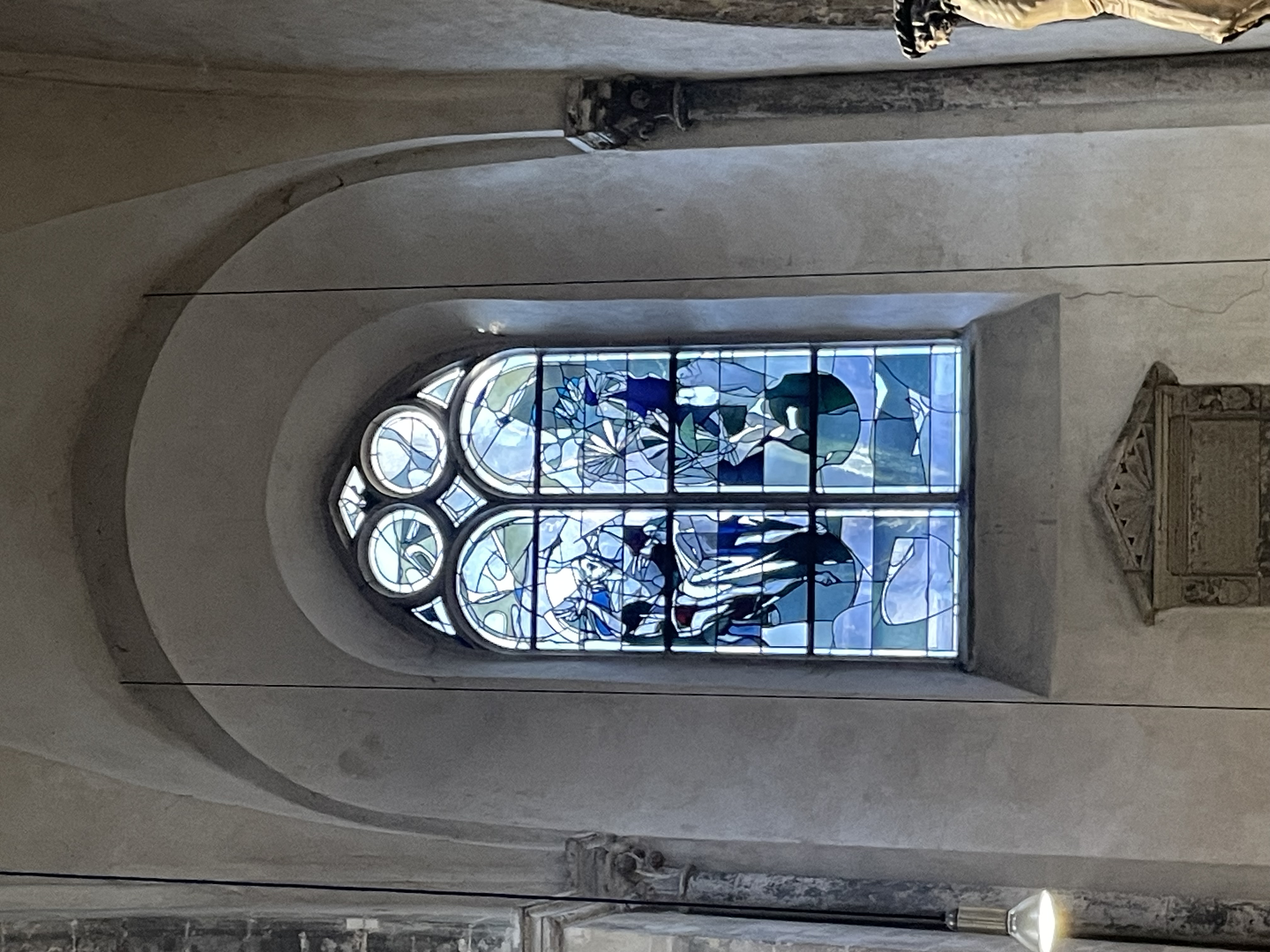
And you wander around Uptown, along the south side of Central Park. Your phone dies, it's cold, your feet are killing you so that you have to limp on the left foot, for you've walked from Brooklyn to central park in rugged boots that haven't been worn in. You're not sure how to charge your phone. The coldness of the winter city falls on you, you feel lost, for many many months you've felt lost. You still love your ex-girlfriend and can't let it go. You're not sure where to go next, so you just walk and walk and think and think, like the Celtic monks, the 'wanderers'. You just walk to where your intuition tells you. Your near the darkness of Central Park. You're in alien territory, your not sure whether it's dangerous. If someone attacked you, you can't move because of your foot. Towering skyscrapers of gold light make you feel small. The darkness of Cental Park is on your right. You try to think and think about what to do with your life. Where are you going? Where is England going? Where is America going? What can I do about it, because I feel responsible? How was Scotland different to England? Did you fall off the path? Why are you still attached to your ex? Did you kill off the relationship in the harshness of West Germany and the middle of Winter, the coldness, the blue blown-out glass, the Rhine, Oh the Rhine. That flat blueness of the quiet Rhine, holding such German wrath, the wrath of Wotan hidden under the tranquil blue waters of Cologne. The coldness of Germany, the quiet trains across the flat and barren fields. Old industry, powerful industry like America, like New York, new, bigger, less quaint and more mechanical than English industry, the old coal power station, converted into a football stadium. The paganism. That struck you. The paganism of Germany. Even the churches felt hollow. Like Christianity had tried there but it was always a lesser religion. That the truer religion was the worship of Wotan, Dionysus, god of wrath and chaos. And yet the Christmas dinner in the Jewish house felt so very alien, and strange. SO strange. This Jewish pysche. The existentialism. The fear of death. The rebellion against God. Christmas in the Jewish house felt so strange. And Christmas in the German house oh such a relief, such warmth. It was like coming to light to warmth, after emptiness, darkness, lone voices screaming in the darkness, screaming against God. Then the warmth of the German household, good company, French wine, old friends, so warm and natural. And the Jewish household, so alien and weird. Seinfeld. Sesame Street. Bernstein. West Side Story. I know of it. I know of it through Mahler. And I felt it in America, in New York. Jewish media, banks, science, in America and Jews have been a stronger part of America. But the strangeness of the Jewish household, and the warmth of the German household. Such a profound contrast. I would have expected the opposite. I was expecting to feel colder and more alien in the Nazi household. Hence the shock of the contrast. Such weirdness of the Jewish household, such tragedy at never having known the light, such damnation and darkness. The Light of the World, compared to the dark, lonely isolation, the terrored spirit, the rebellion against God, of the Jewish household. The warmth, the Christianity of the German household, despite the blue Rhine, despite the hollowed out church windows and blue and black and white gothic stained glass, despite the cold ignorance and the stinking beggar on the train. The intense feeling of blue and black and white gothic paganism in Germany, and yet it was warmer than the Jewish household. The Rhine affected me. Germany is colder than England. There are German elements and Jewish elements in New York. But also Irish and Scottish. Yet the blue coldness of Germany I wore better than the Jewish house. Yet I know the Jews by Mahler and Bernstein. Bernstein the sex pest and satanic husband, the troubled soul. These Jews have troubled souls and they take it out on everyone else. They reject God, and rebel against Him. It is only natural that Satan then chooses to work through Jews and Muslims, effective allies. And as Carl Jung said, the Jew is much more susceptible to psychological dissociation than the Protestant and the Catholic. The Catholic is least susceptible. Because for Christian's the Spirit of the Father is embodied. It has a clearer place. And the Jewish tradition is to distance oneself as much as possible from sin, whilst the Christian tradition is to incorporate sin into your life, like the bronze serpent, and seek forgiveness and repentence. The Christian is born with sin, he cannot be separate from it except only in Christ Jesus.
The last stronghold of Rome, the last stronghold of the Celts, the last stronghold of the Anglosphere, the New World.
08/01/2026: Memories of Manchester
You got the train from Bolton - old industrial town - into Manchester. This was for many months starting September 2025 through to December 2025. Like clockwork your body moves you through the winding paths of the estate, the cold cloud overhead hanging on you. A darkness in the back of your mind like a mysterious force. You swap from train to train to train automatically. Most people have airpods or headphones in with their heads bent unnaturally over their phones. You refuse to be a slave, a sheep. So you watch people, look out the window. The rugged and rolling hills of Bolton rolls by as the train window swashes past. These moving scenes light up your brain. The great Winter Hill. Always an emblem of home to you. The hills always had a personality to you, the hills felt like a force, a person calling out to you. The cracked ochre of the moorland, huge swathes of land without the touch of man. And an almost permanent cloud overhead. The thrush of the train past your house, which sat close to the train tracks. Industrial place. It echoes still. The chisel of Fred Dibnah, the jovial attitude, the smoke and the bricks and the mud. The fresh scent of grass on a Saturday morning. Pulled out of bed into the cold mist, studs scraping mud and sliding, ball prints on your forehead. The rough shouts of your manager. Talk about Manchester United. The adults drinking pints and you and your pals drinking orange Lucozade. Old red brick mills scattered about amongst the football pitches and cricket grounds. That smell of mud and grass and cold fresh air, and the mist that hung above the fields surrounding the football pitch, and the dew on the grass rubbing against your shin pads. As you aged, Indie music from Manchester breaking in. The romance of the North. Blessed spot! The West Pennine Moors hugging the town with a warm embrace. The spire of Winter Hill, like a beacon. The smell of pasties, the rough accents. Smoke stained attached housing. Football at the centre of everything, your day, your week, your evenings.Then you went, and came back. Away in Scotland for four years to a different view of the world. You came back and felt the village-feel, the pleasantry of England even in Bolton. The manners which have evolved into softness and weakness. And now you see that Lancashire is Celtic. It feels backwards, simple, primitive, in a way like Scotland. But really this is the weakness of the church. In Bedfordshire, in London, in the south, everything and everywhere in saturated by the church. That is to say, Lancashire and Scotland are less Christian. Christian but less so, less cultured, less cultivated, less nuanced than southern England. Less care is given to intellect in Lancashire and Scotland. Scotland is completely verbal, reasoning done verbally, everything verbal and outloud, everyone talks to each other. Extroverted. And practical. Incredibly practical. Lancashire is practical, a little more verbal, but quieter, subtler, less bold, weaker. Scotland is a world force looking outwards in ways. Lancashire is contained and insular without courage (at least now). Scotland is completely different to Lancashire in so many ways, though they share aspects. The share the aspect of the lack of church. The land does not feel so peaceful as the south. There is an edge to everything. Whereas south there is peace and calm.
You tumble into Manchester on the train and get off at Oxford Road, your favourite spot. The train station is built from this dark mahogany wood. And it is higher, so you walk down a hill to the main street Oxford Road. Your favourite coffee shop, Java Coffee, where you would sit and work. The Java coffee is the strongest black coffee. Immediately as you have shifted, not so far, from Bolton to Manchester, now the servers and baristas are from across Britain. It's less insular. You are exposed immediately to the mini cultures these people have carried from where they grew up. It immediately becomes more interesting. People your age, good looking, healthy, vocal, that still have light in their eyes. And you only came a little distance from Bolton. It's the student population of Manchester that give it that youthful energy and vigour which is nonexistent in Bolton. Not just young, but richer and more interesting. You walk down to Oxford Road. Great street. Flanked by great stone structures, like Kimpton Clocktower, Manchester University, the Cathedral, and newer structures with this new rust like appearance which I like. Music venues, you came here for Neighbourhood Festival when younger, not so used to alcohol, about 17 or 18, walking around Manchester skinny and drunk, with your arm around girls, when alcohol still had that magic effect.
You flash back to the memories of your 17 year old self on Oxford Road in 2018. Stumbling into music venues with the sweat and the Manchester Indie music scene. Rammed up against people in t-shirts with cagools around their waist and white trainers, jumping up and down in the moshpit and seeing girls from your school opposite, who had never seen this nerd from high school in a such a place before. The energy unleashed in Summer 2018, that hottest of summers, where Winter Hill caught fire, after a year or years of pent up tension and energy preparing for GCSE's. Unleashed in these moshpits in Manchester, with Sundara Karma, No Hot Ashes, JAWS, at O2 academy and Albert Hall. Through you headphones in car journies, the Sherlocks, Oasis, 1975, Arctic Monkeys. The theme of the Summer 2018 - the blaring sun and JAWS and the holiday in Spain and Florida, a skinny little teenager who had never opened up before, adopting the hippie Florida vibe, with surfing t-shirts, sunglasses and watching Rick and Morty. Lying in fields in the glorious sun with the smell of summer cut grass and listening to Bob Marley to relax after and during GCSE's - your white skin from months of isolation indoors preparing for GCSE's, blushing and your whole mind relaxing. What a summer. The relaxation post GCSE's. Your first kisses. Strongbow dark fruits cider in a field, by a massive fire lit. The deoderant can that turned blue in the flames. Setting fire to wheely bins full of paper. Then later smoking weed, listening now to American rap and Grime and Drill rather than the Manchester Indie music. Your first girlfriend. Then shitting yourself as A-levels stepped up. Reverting back to nerd-mode. Hard core on A-Level mathematics, with regular visits from your now ex-girlfriend still for company. But all guns ho on the maths and physics now. Emptiness and coldness and loss of spirit and loneliness again. But the cold beauty of mathematics, its purity, its logic, sustained you. Carried nerd-mode through to the end of A-levels, again getting top grades. Then you unleashed again in Summer 2020 after arriving in Glasgow and after months of isolation during COVID-19. Again you switched from nerd-mode to fun-mode. Again beautiful experiences. Except the memory is much weaker on 2020 to 2022 because of the sheer amount of Scottish alcohol that bleached your brain. But it was fucking awesome.
Back to Manchester now, during your break at home after Scotland and Cranfield, and in Autumn 2025. Now you have trained your intellect on high intensity physics and mathematics. Now you are conscious of the pagan and the Christian. Now you are conscious of your worth and who you are. Now you understand that you think differently to everyone else. And without a woman you are hardened and deadly and a hunter. Now it looks different, now you see everywhere the history, you feel the history, the weight and feeling of the history and these shells of the imperial past, yet energy still in places. And now you care about England. You see the student girls of which there seems to be so many, maybe more than men. Dressed in whatever is fashionable in London right now - many Londoners bring their style to Manchester - and mostly not wearing much. In summer you came to Oxford Road and it felt alive with that special energy. The energy of the blaring sun and blue sky, something cold and energising. The Summer day-drinking vibe that you also got in London and Glasgow. Sun is blaring, youthful energy of the area, day-drinking. Celtic cold. Sometimes you get a really peculiar feeling that you are on an island, blue sky overhead, surrounded by sea gulls, in some insular and magical place.
Yet this is an exception to the cloud. Constant cloud. So that when the sun does come your white skin flushes with heat and you feel high. As it did in Glasgow. So that the Scottish sun, yes even the Scottish sun can burn you. But in Manchester it is mostly cloud. You have walked down that street with three different girlfriends. One when your world perspective was contained to Bolton and Manchester, this exotic girl. When your mind was only expanded by literature and art and orchestra, and the holidays you'd seen - especially shaped by New York and the MET, by Chatsworth, and by NYO experiences. That was contained and insular perspective. But many good memories nonetheless. Again, you descended on Manchester from the North, and this time it looked and felt completely different, with a Scottish girlfriend. This time you saw it lacked the character of Scotland, the audacity, the energy, the extroversion. Again the bleached blue sky. That heat of the sun so contrasted with a year of all round cloud, that something magical awakens in Manchester when the sun emerges. A lot more alcohol this time, a lot. And a lot more eating out. So much alcohol that the memory is tainted and weak, bleached. The alcohol bleached my memory of that time. It was like a haze. The first girl it was more condensed and emotional. The second was a haze, thin. But elements of fun. You recognised now the size of Manchester relative to Scotland, and somewhat strange admiration for Manchester which the Scots have. Maybe because both are somewhat Celtic. Maybe the football. Maybe the famous Manchester clubbing scene of the 90's has passed through the Scottish memory. But they seem to know they have more in common with the North of England, similarly obsessed they are with Newcastle. And I found lingering Scots in Manchester and York but less so in Southern England. With maybe the exception of London. But there is nothing Scottish about London or Bedford. There's something Celtic about the western areas of Britain, including Liverpool and Manchester - if only maritime in the port city vibe. Manchester has an element of the port city vibe as it was connected to great port city of Liverpool. And ships were built in Glasgow. It has the element of the brutally cold blue sky bleached by the sun and wide overhead, with seagulls passing over it. Like I said, there are times when you become aware you are on an island.
After your coffee at Java, you would walk the slight uphill contour of Oxford Road towards St Peter's square. Passing over bridges with padlocks of lovers attached. Over the old canals. Past the weird bar under ground, that looks as if inside an old public toilet. Then the great imperial stone structures of St Peter's square emerge. The astounding Manchester Central Library. The beautiful Midland hotel. And you look left and right and see this intricate tram network, which can take you into the prosperous areas of south Manchester, like Didsbury and Altrincham. And the amazing Bridgewater Hall, which means a lot to you as you have memories of playing in the Halle Youth. You walk to the Portico Library towards Picadilly Square. This blessed little construction. A nook of the city which is untouched by chaos. Beautiful tall ceilings, thousands of ancient books. The quiet of the old private reading room. The fireplace. The sofas. The coat stand. The mahongany tables and chairs. The table service of teas and coffees. Beautiful place, and peace within the city. There you coded and watched the CS50 free Harvard course. Then at lunch you would wander and observe. You would map out the city in your mind. Learn the best places to eat, the best coffee, the best food. And you would loiter to the Manchester Art Gallery. Amazing institution. You watched the gallery of Lowry and felt the industrial past. You saw the Dutch artists, and felt you tradesman-maritime connections. You saw the immaculate depictions of Christ and felt you God in your heart, and in Manchester. You saw the old industrial paintings and felt the smog. And the Victorian section. Classical deptictions, nymphs, Roman chariot racing. And their obsession with the medival, depictions of Christian medieval knights. And the great Viking painting, astounding in its size. Then the paintings of Millais, and newer stuff. You could loiter in to this gallery for free and leave renewed and inspired. You would go back to the Portico library. Then you would wait until it got dark, and the private room became cosy with the walls of books and the fireplace, so you would loiter out into the dark. Many Chinese people, like Glasgow. The building opposite Portico your could see into, and it wash an office space where every employee was Chinese. There is a China town nearby. And a Bank of China round the corner. You are kicked out of Portico by the nice staff lady, into the now darkened streets. You walk along towards St Peter's square. And boom, this mirrage of glowing skyscrapers behind Bridgewater hall. You wander down past the hall, and are flooded with happy memories of intense practice and music making, and lessons, and inspiration to be a horn player. The twinkling lights of Bridgewater Hall ceiling. You wander down into the Briton's Protection - one of the only pubs to have a half decent whisky selection. This is a good pub, you sit and drink. Then you wander into Bridgewater Hall. The comfort of warmth and rich people and sophisticated people and white people. Your kin. Then you enter the concert hall. Petrushka by Stravinsky. And it is outstanding. And you are instantly energised and are twitching to the music in your seat. The orchestra has improved. You became acquainted to the lower standard of the BBC Scottish Symphony and the Royal Scottish National Orchestra. This was high quality. The best concerts I've ever seen, 1. The New World Symphony by Vienna Philharmonic at Musikverein, 2. Il Trovatore at the Royal Opera House, 3. Petrushka here at the Halle in Bridgewater Hall.
You head back to Oxford Road, it's dark outside. You feel the familiar warmth of Oxford Road station which is now packed with people. You feel the familiar warmth of your kin. Oxford Road is your favourite station, and vastly superior to Victoria, and the train to Bolton is vastly more reliable and quicker to Bolton from Oxford Road. You get off at Bolton, you imagine what it would be like to work in Manchester, then get the train home. To have a day like that, maybe where you were teaching or researching as a professor, then getting the train home, catching a concert. You love the energy and colour and youth of the city. The austere architecture, the old red brick of the industrial past, blended with the tall glass blue shimmering pieces. The many businesses. The bustling of this oddly fucntioning economy. Capitalism. The good coffee, the art, the concerts, the good food. The opportunity and the money and the varied and happy people. Then you imagine coming homw to a warm home and a warm family, to a wife and children. But you see that would be too easy.
07/01/2025: Notes on the Celts: Ireland, Religion, Art, Literature
The Irish became the most condense remainder of Celtic culture and remain so to this day. Also the regions of Scotland which the Irish conquered, that is Dalriada, or the West coast. There was a great oral tradition. Great poems and stories were preserved in the memory by oral tradition. Christianity was brought to Ireland. Some say by St Patrick but its more likely someone else. The Celtic church was distinct. 'Wandering' was practiced; the pilgrim would just wander, or get in a boat and be carried by the current, and wherever it landed found a monastery. Thus it was with the famous monastery at Iona. St Columba went to Iona. He was then involved in taking the gospel to the North of England. The area between Hadrian's wall and the Atonine wall was occupied by old brittonic-celts, pushed north by the Romans. Thus the original mainland British Celts were left in this region and Wales. However, the Angles expanded into the Northern region so the language became anglicised. Only Wales retained the celtic tongue, but connections were maintained with this northern region. Wales is a shit version of celts though compared to Ireland and Scotland in my opinion. St Columba went to Jarrow, to Lindisfarne, and this became a key region for Christianity in England. Hence the two main centres of Christianity in England were York and Canterbury.The earliest writing in Western Europe outside of Rome and Greece is Irish. Old stories, epics, poems, which had been carried by tongue for centuries were eventually written down. It is some wonderful literature. Bands of warriors would form around the chief, and tales would talk of their exploits. Different regions of Ireland fought against each other; there was Munster, Leinster, Connaught, and Ulster. One well known epic by Celts is the story of Finn. Also stories of Deirdre, Maeve, etc. There is a story of a man who goes to see and sees a vision, the water becoming like fields and flowers. There are many such stories, and the poetry is remarkably modern. Often the writing was naturalistic as was the tradition, and even though Christianity came, elements of the old religion, gods and goddesses, remained. Halloween is one such example, which is said to be the time of year where the 'Other World' is nearest to our world. There is often talk of this 'Other World'. And the Celtic practice had elements of nature worship and wonder. The poetry talks of the everyday observations of birds and trees and cats and such. The clan chief would have a fidia or fillia or some such, who was like a jester in the court, except that they would recount the history of Ireland, and old stories and epics. These would have main narrative, then spin offs or secondary narratives were added, and poems and ballads were included. This was all known by memory.
The La Tene art of the continent was the first breakout of the original Celtic style. It's thought this came to Ireland by either experts travelling, or Irishman visting the continent and learning. However, the Irish style quickly became distinct in itself. Amazing metalwork, with knots and ties and whorls, were developed with immense detail, such as the Tara brooch, used to tie a cloak together. Animals were included as well as human heads or figures. Often these intertwined.
The Iona monastery was important, established by the 'wandering' practice by St Columba. Later St Aidan trained there. Both went to Northumbria and taught the monasteries there, as later recorded by the Venerable Bede. The Celtic church was distinct and magical and powerful, and held sway over the Northern Anglians for a time, indeed teaching the southern Anglo-Saxons in many cases, and bringing them back to faith on some occasions. The elaborate art of the first pages of psalters, the large first letter, this was a style from Ireland, to Iona, to the Northumbrian Angles. Iona was later ravaged by Vikings. There are many stories of the heathen ravaging monasteries in these remote locations.
Althought the Irish prose was first, the Germanic prose came to dominate. The Irish way of writing or poetry or oration was illogical, fantastical. The Germanic style was more cause and effect, and precise. In Britain we get the coming together of those ancient Indo-European cousins, the Germanics and the Celts. Nowhere else in Europe does this occur. This is because Ireland was the final and sole remaining stronghold of Celtic culture. Pushed further and further west, by Romans and later Saxons, until they were pushed all the way across the Atlantic ocean to America. That's what you feel when you look out west from the Argyll peninsula, or on Islay, the misty and salt-trodden grass on the road to Campbeltown, the sprawling crumbling stone walls in a chaotic and unruly order, the pungent fruit and briny peat of Campbeltown whisky. This is Dalriada, this is the magic of Inveraray and the misty Scotch pine and the overgrown heavily dewy grass, the proliferation of sheep. The great influence of Ireland and Dalriada, especially the Celtic church and Iona, combined with the Anglo-Saxon ways, made Britain.
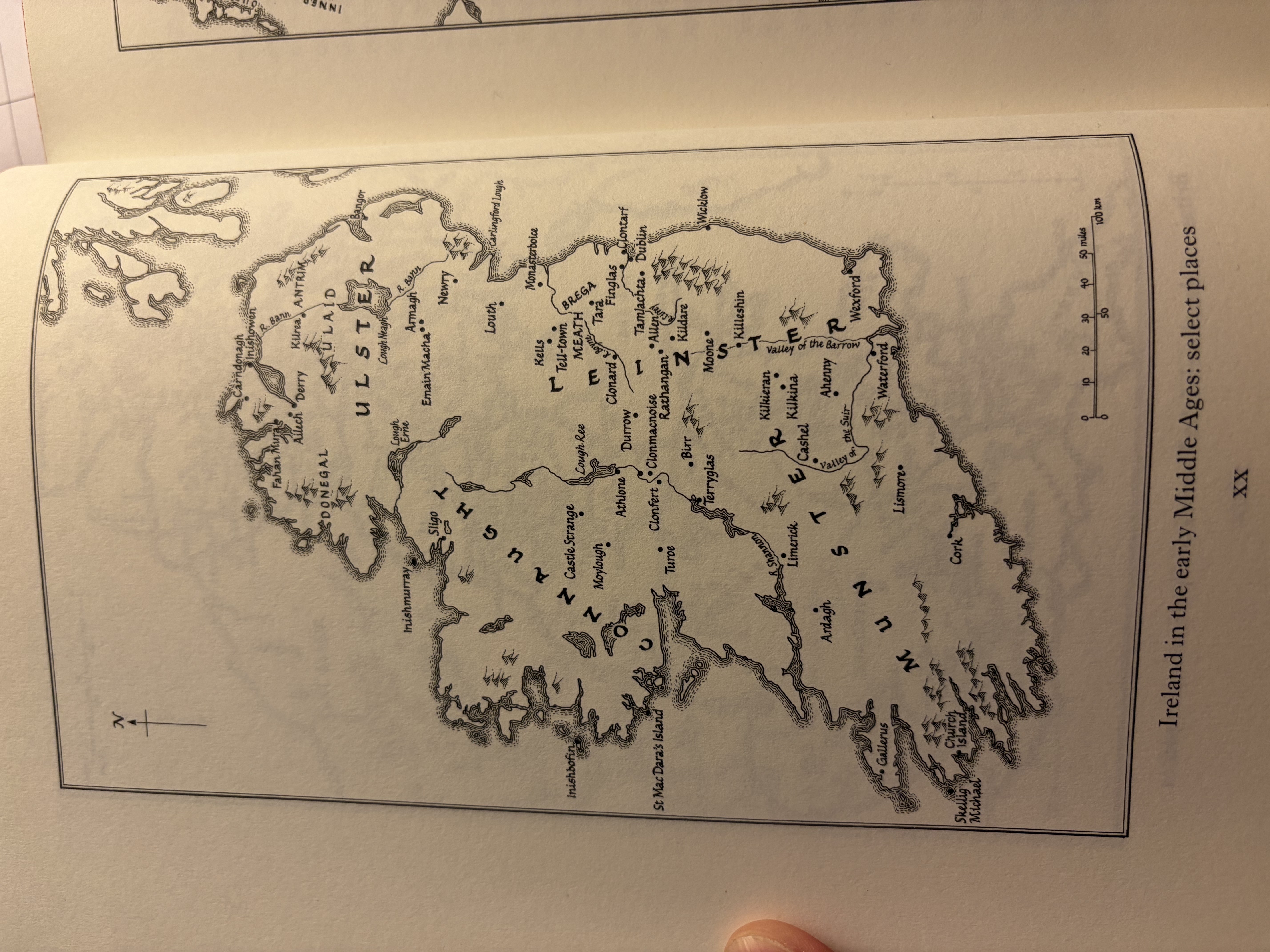
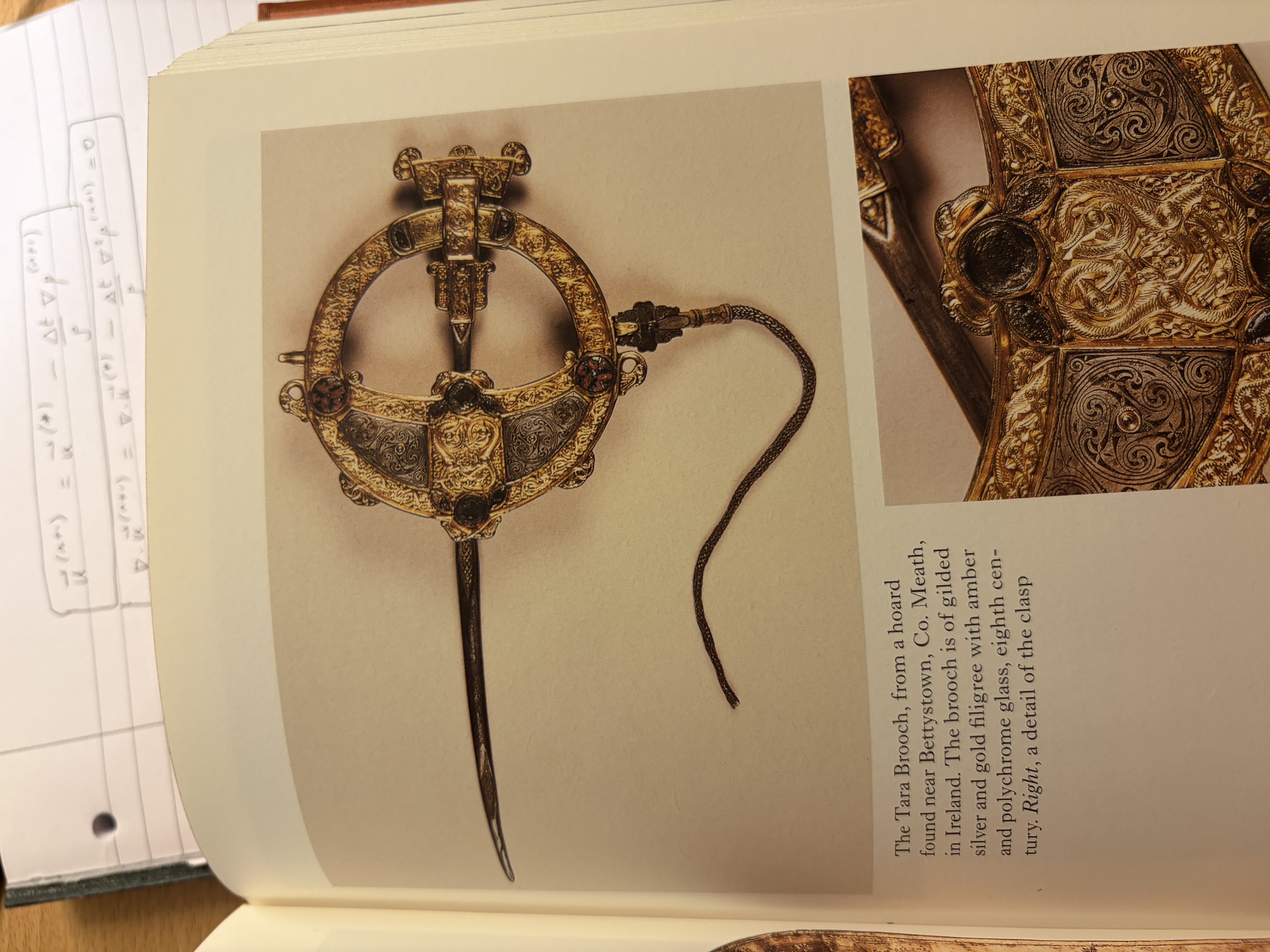
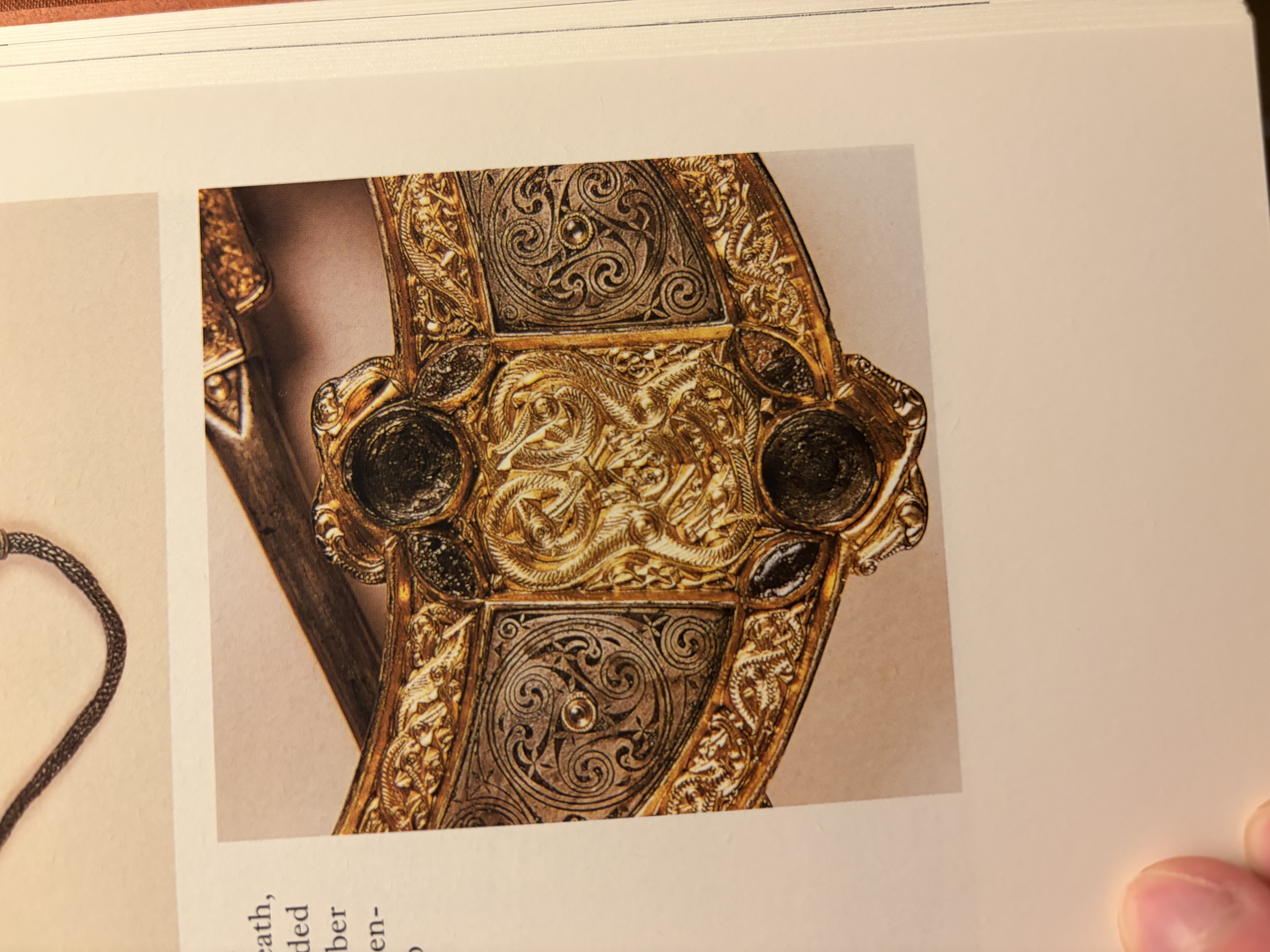
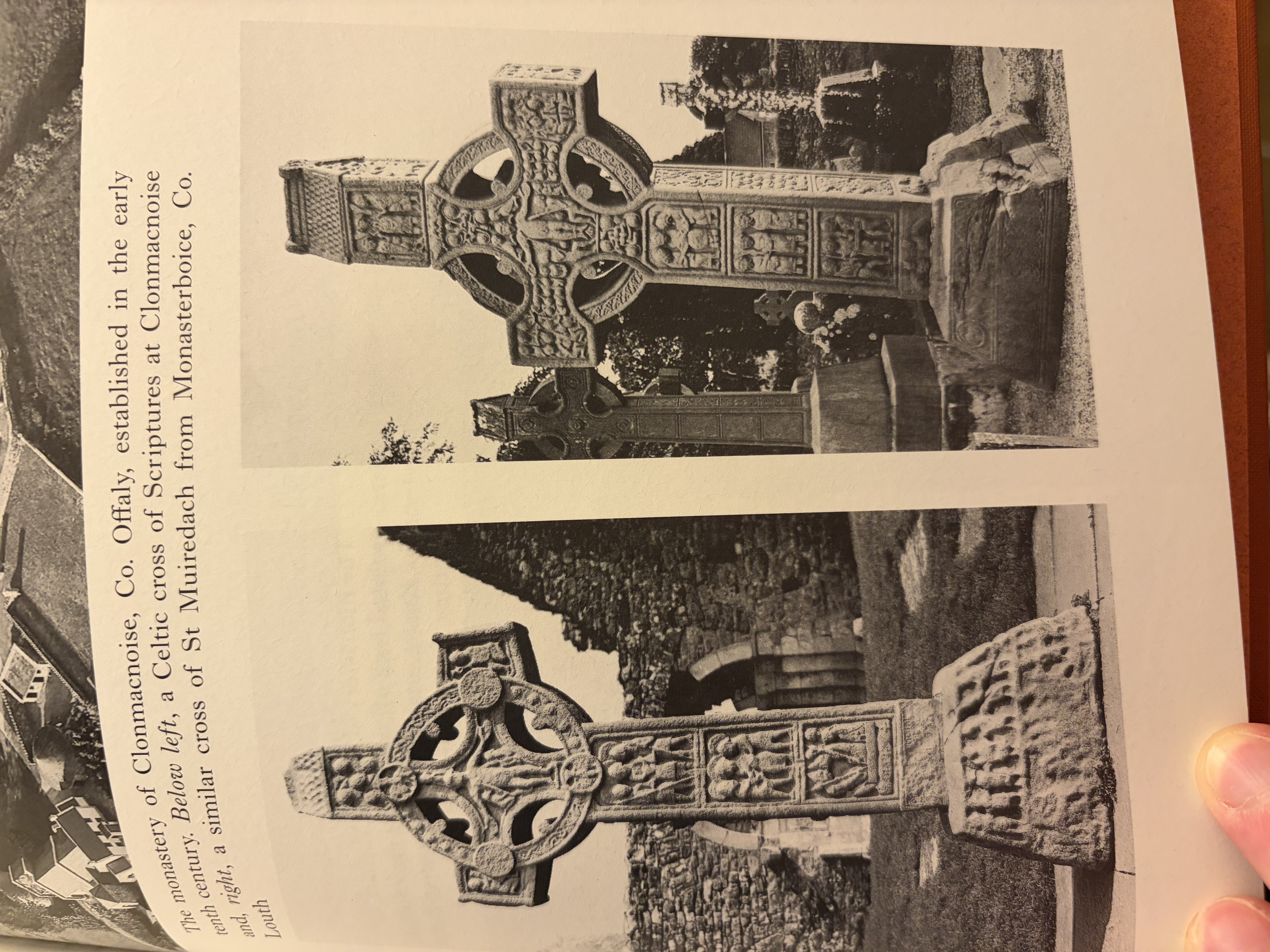
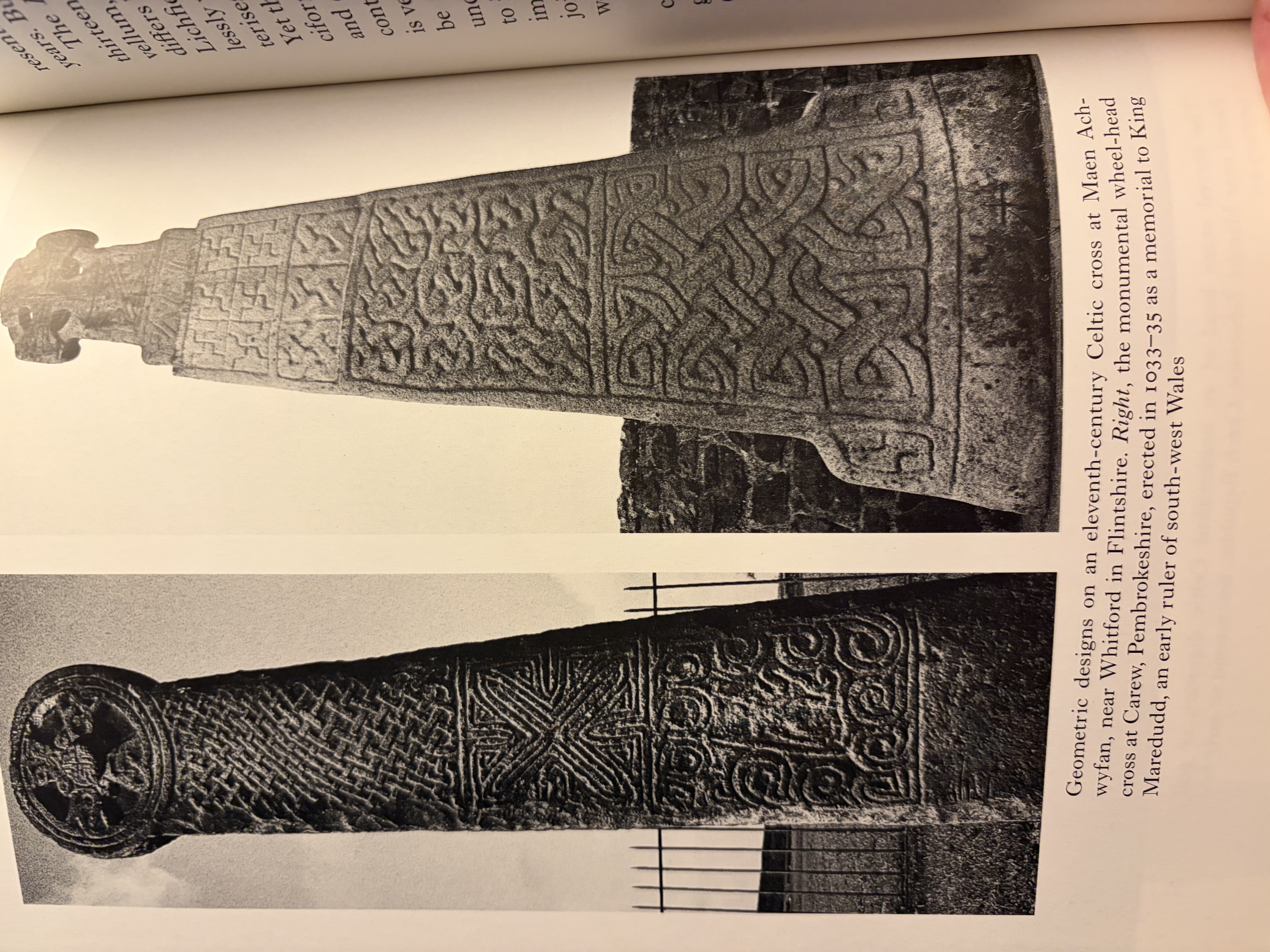
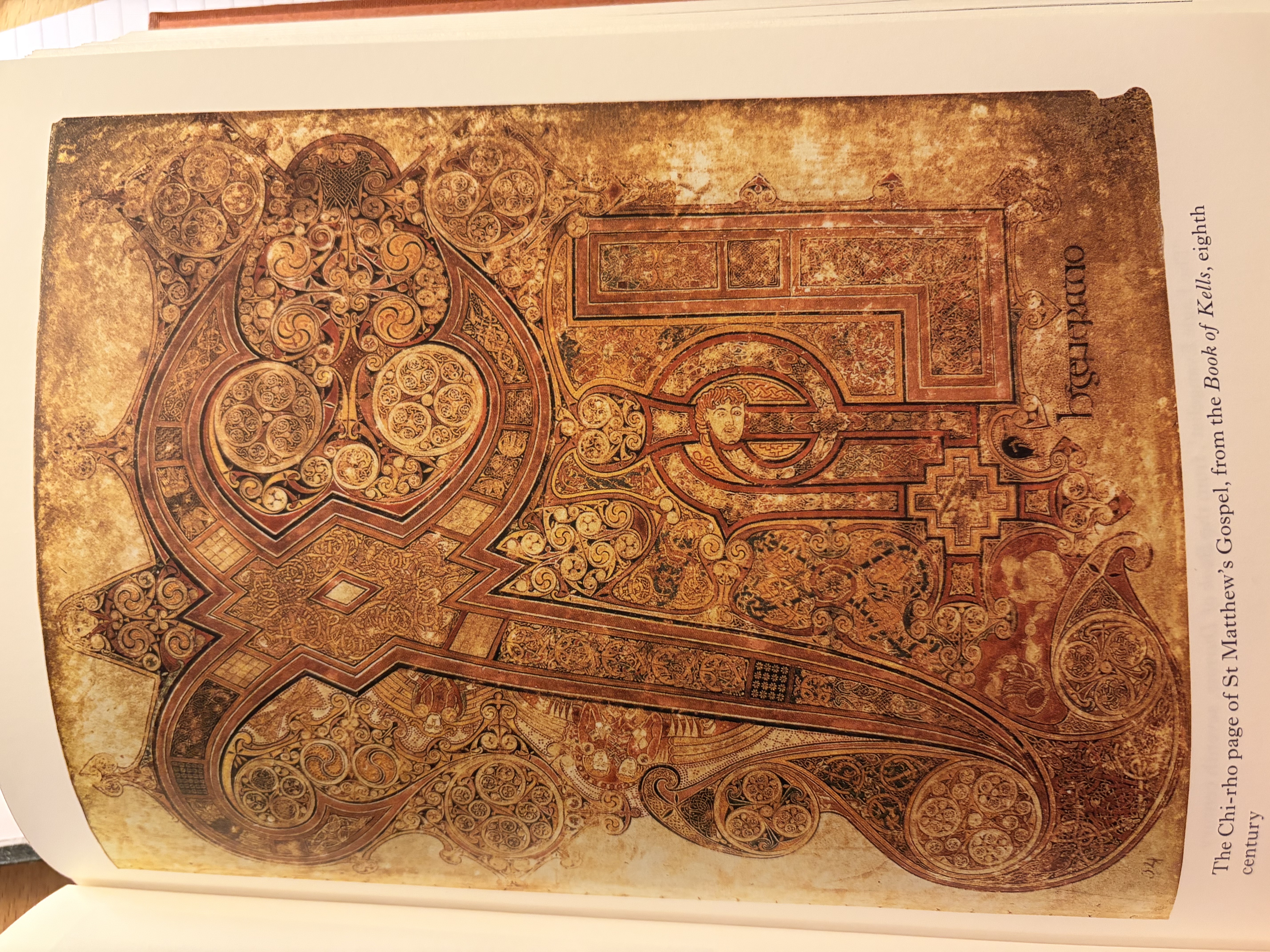
29/12/2025: The Celts
Stream of conciousness on everything I can remember from The Celts by Nora Chadwick which I am halfway through and the Celts documentary on Amazon Prime.Originated in Hallstatt Austria, where I visited when younger on a school trip. Hallstatt B and Hallstatt C culture. Celts are distant relations of Germanics. And indeed Romans and Greeks. They originate all in the Indo-European culture of the Pontic-Caspian Steppe which is modern day Ukraine. So Celts and Germanics are distant cousins. It's been suggested that Teutones were actually an offshoot of a larger Celtic people/culture. The first Hallstatt culture was highly hierarchical and had an aristocratic class. They were lead by chieftains, who were either peace chiefs or war chiefs, or even spiritual leaders. The salt mines of Hallstatt were mined by troglovites, a lower caste under extreme conditions. Salt was a valuable preservative for meat. This is BC. On the other side of the Alps, Etruscan and Roman cultures were developing independently. There were maritime links to Greece. Much wine and art and pottery and jewelry and finery was traded betweenn Greece and later Rome and the Celts in Hallstatt. These trinkets were valuable markers of status for the clan chiefs. The clan chief wore a conical hat, a golden torc as a symbol of authority, and golden armlets, as well as amber necklaces. It is thought that perhaps slaves were traded for the wine and finery. There is a peculiar instance, of a giant iron pot decorated with lions traded with the Celts from Greeks. One lion seems to have been lost, and the Hallstatt Celts replaced it, but they had never seen a lion before. Alcohol became an essential aspect of the ritual and religious practice. The chief would prove his status by providing feasts and wine for the society. Alcohol could alter consciousness and had a spiritual function and was believed to take Celts to the spiritual realm. Early cultures cremated but this transitioned to burials. There was a clear and absolute belief in the afterlife, so chiefs especially were given elaborate burials. They were earlier buried with four wheeled chariots, echos of the Indo-European steppe culture. Gold torcs wrapped the neck of the clan chiefs as a symbol of authority. Gold bracelets adorned their wrists. They wore conical hats and had great drinking horns. Later on, the culture became more war-like. Clan chiefs were increasingly war heros. It's believed that the wealth accumulated via trade with Greece and later Rome caused envy in Celts on the periphery. Furthermore, it was a consumptive society; the status of the chieftains depended on being able to host elaborate feasts, provide wine, and to acquire fine gold jewelry and ornamentation. This all then had to be buried with the chief for the afterlife. Thus it was very much consuming the wealth which became counter-productive as population grew. It's thought that as the societies grew, this fact lead to a shift to a more war-like culture as people competed for resources. Chieftains became less peace chiefs or spiritual chiefs, but more commonly war chiefs.
The Celtic culture and world spread across the entire continent of Europe, across Gaul and Iberia and into modern day Switzerland, Austria, and Czechia. Remnants are even found as far as modern day China. It's not certain the extent to which this was an ethnic group, though over the centuries they were probably kin. It was more a distinct language and culture and spiritual practice and art style, which spread via trade, than an obvious kinship. But they were organised into localised tribes built around kin. There were no towns or cities as such except for hillforts, which the Romans called Oppida, which emerged later on. These probably emerged as threats increased and pressure for resources increased as wealth accumlated with the leaders, or as iron weapons became more readily available. There was no central authority. But they shared a common culture and distant kinship. We are talking of something that has spanned from Millenia BC to the present day. They probably never travelled far in their lifetime out from their tribe. The Classical authors of Rome referred to them as barborous and thought of them as such. To them in Rome these realms were literally on the very periphery of the known world. Scotland and Ireland was the edge of the world. The Celts kept no written records, so what we have on them is only from classical Greek and Roman sources which may be biased. The culture spread into a distinct period, the La Tene culture, which is most remarkable for its amazing and elaborate and intricate art. Decorated fine detailed gold artifacts, with many spiralling thread-like engravings. This expressed the belief in the eternity of the soul. The La Tene culture is more towards France. Caesar conquered Gaull. The Celts are described by the Romans as tall, fair-haired, with no facial hair except a moustache and as fearless warriors, though no where near as disciplined as the Roman legions. The Celts never the less managed to conquer the Delphi in Greece and I believe into the Etruscan lands and Rome, before the Roman Empire had begun to grow strong. This left a scar in the Roman memory, and the people in Rome were very conscious of the barbarian Celts from the edge of the known world who had conquered them. The determination to conquer these peoples gave Caesar poltical kudos in Rome, hence Julius Caesar's conquest of Gaull. The insular Celts, those in Britain and Island, are believed to have shared the Celtic culture with the mainland Celts but it's uncertain to what extent they are kin. It's believed a great trading system developed along the Western Coast of Europe, across Iberia, Portugal, Western France, Ireland, Cornwall, Wales, and Scotland. A 'lingua franca' or de facto common language may have developed this way as way of communicating during trade, as well as distinctive art like the La Tene culture being transported up to the insular Celts. Cornwall was essential for tin, so traded this with Celts on the continent. It's unclear to what extent the insular Celts developed their own metal-working and artistic skill, and what extent they were influenced by continental Celts who perhaps visited Britain and Ireland. As Rome expanded, it pushed Celts further and further West of the European Continent. Caesar tried to conquer Britain in the first century AD but was stopped by the weather. At that time Britain was a bunch of isolated separate tribes. The lack of unity amongst these tribes made it easier for Rome to conquer. Caesar's attempt failed but he made connections and gathered intelligence. Many Celts and tribes in Britain, or at least their leaders were sympathetic to Rome, perhaps after being given gifts or shown the merits of Roman Civilsation. Eventually, Emperor Claudius conquered Britain. The Iceni tribe in modern day Norfolk had the leader Boudicca who's daughters were raped publicly by Roman soldiers. She inflicted revenge and burnt a whole group of soldiers alive in Colchester, riding her two-wheeled chariots. However, the Iceni and the rest of Celtic Britain was eventually subdued. Thus began a Romano-British age, of mixed Roman and Celtic culture. The Celtic God Sulus for example was combined with Athena; the statue of Sulis-Athena can be seen today at the Roman Baths in Bath, England. Romans brought villas, took the Celtic aristocracy on trips to Rome, gave them olive oil, wine, pottery. There's evidence of ampitheatres in Britain. They built straight roads like Watling street. They brought mosaic artwork. Law, governance, great walls and forts. Then they brought Christianity to the Romano-Britons.
Certain regions of Britain and Ireland remained untouched by Roman influence however. Parts of Cornwall, Wales, and Scotland were not reached by the Romans. Agricola conquered Anglesey island in Wales - this was a significant religious spot for Celtic druids. And Agricola lead the expedition into Scotland, establishing the Northern most fort in the Roman Empire at Inchtuthill. The famous Battle of Mons Graupius against the Picts was fought and won by Agricola at an unknown location. Despite this, many regions of Britain were unfertile and inhabitable and not necessary, so the Romans built a wall to keep out the barbarians. Hadrians wall spanned modern day Cumbria coast-to-coast. The Antonine wall was built later which linked from the Firth of Clyde and the Firth of Forth. The Picts are said to be a more ancient and mysterious peoples, who perhaps inherited the Celtic lingua-franca via western Atlantic sea-board trade but were different kin. The Irish became the most distilled of the remaining Celtic cultures after Rome's conquests and remain such to this day. The Scots were from Ireland and at some point they invaded the mainland at modern day Scotland and fought against the Northern and Southern Picts. They were successful, establishing the region known as Dalriada in West Scotland, which is modern day Argyll and Hebrides. It's not known for certain how long it took Scots and Picts to join, but they probably mixed via intermarriage. Bede recounts that the Picts are distinct for having inheritance via the female heir. 'Pict' means 'painted'. The origin of the name 'Britain' is the Greek 'Pretanike' which means 'painted ones', which was the name given by a Greek geographer way back in the hundreds BC. By the first centuries AD Rome had conquered all of Gaull and most of Britain. Some Celtic remnants were in Gallicia on the continent. There was the famous battle by Vercingetorix against the Romans. As the Celtic culture had shifted to more warrior-based, especially with the increased amount of iron weapons available, hill forts became more common, the Oppida. Vercingetorix fought a heroic battle against the Caesar from a hillfort in Gaull, but his poor tactics and lack of military discipline lead to their defeat. The defeat of Gaul was memorialised in the famous classical statue 'The Dying Gaul', showing a moustachioed and torc wearing Celt defeated. The Celts were viewed as heroic and admired in Rome for embodying the raw spirit than Roman success and luxury had tamed. The Celtic way of battle was a wild charge. On the other hand the Roman legions were a well-oiled war machine. No meat, no alcohol for soldiers. And as well as superior weaponery, they had superior tactics. The Celts would charge attack. Bare in mind the Celts were taller than the Romans. The Romans would first throw spears as they charged as a stopping force, and then thrust with their swords from behind the shield wall. It seems some Belgaic Gaulls fled to the island of Britain on the conquest. And that Armorica and the part That sticks out of France like a peninsula into the channel remained the most Celtic regions of Gaull. Defeated Gaulls were then incorporated into Roman civilization and the Roman legions and became some of the most succesful warriors in the Roman army. On religious belief and practice. Most of what remained of the Celts only passed through history in the British Isles, perhaps most powerfully in Ireland. Druids were trained on mainland Britain, for example Anglesey was a particular hot spot. Many religious stone structures can be found across the British Isles from Orkney to Stone Henge to Aran on the West coast of island.
Caesar commented on their religious practice. They had not temples like the Greeks and Romans. Instead their religion was closely tied to the natural world and their temples were woodlands and sacred groves. Often, as well, rivers or swamps or river sources featured as significant religious sanctuaries. As with all the Indo-European derived cultures, there were echoes of Deus Pater - Thor, Zeus, and the Celtic version of the sky god. They had a preoccupation with heads, which they thought the seat of the soul. It became a practice which the Romans thought barbaric to behead their opponents. There was no writing; all tradition was spoken and passed down. This became a disadvantage and was not good for the historical record, yet the Celts were great orators and tellers of stories, often taken to Rome to teach oration. It was an oral tradition we can scarcely imagine, were the verbal memory of these people can scarcely be comprehended today with our written way of thinking. Furthermore, the Druids kept their knowledge secret, again meaning we didnt inherit much except the descriptions of their practice by the classical writers. They were preoccupied with heads as they believed the head to be the seat of the soul. Statues of heads with the top carved out appear and maybe were used to hold alcohol. Skulls were used as drinking vessels. In times of peril or war, humans were sacrificed. Some say the human sacrifice was less frequent than once thought. We know Boudicca of the Iceni sacrificed Roman prisoners. Indeed they used alcohol to reach a higher state of consciousness and belived alcohol had a spiritual function and gave ability to reach the spiritual world. Human sacrifice was committed, human gore splashed against the trees of the sacred grove. Eloquence was seen as superior to warfare. Yet warfare was common and in Ireland there was an aristocratic warrior class, and often war for sport to gain prestige. It was a panopoly, with multiple Gods, often based on animal-human mixtures. It has been suggested that it was thought by inhabiting the spirit of animals one could reach another world. It was absolutely essentially built on the assumption of an afterlife and permanence of the soul. Caesar says this meant they did not fear death which made them ferocious warriors. It was very much a spiritual culture, and it was believed that going into battle naked endow the warrior with a spiritual power, which meant many went into battle naked but for a torque. The four-wheeled chariot buried with chieftains for the afterlife later became two-wheeled chariots as the culture became more warlike. The Carnyx was an instrument of war used to strike terror into the enemy. Many of these would sound a racket in battle. Yet despite this warrior shift, it is thought the Germanics were more warrior-based societies than the Celts, and more harshly hierarchical in this sense and violent. For example, the Celts treasured eloquence above warfare and saw eloquence as the highest virtue. Game-playing, feasting, drinking and story-telling became essential parts of the culture in Celtic Ireland. The Welsh were what remained of the old Brittons in what is now England before the Roman conquest. The Welsh were also linked to the Brittons in the area between Hadrian's and the Antonine wall, as evidenced by linguistics.
When the Romans left, the remaining Romano-Brittons had been Christened. Then the pagan Anglo-Saxons were hired by the remaining Romano-Brittons to defend against invading Picts and Scots. These Saxons intermarried with the Romano-Brittons in what we call England today, and later conquered them. The Anglian tribe of the Anglo-Saxons (one amongst the Jutes and Saxons) spread across East Anglia, North-Folk and South-Folk and Cambridgeshire, up into Yorkshire and right into the region between the Hadrian and Antonine wall. This region later became Mercia. This entire region was also conquered many centuries later by the Vikings, with only the Kingdom of Wessex holding out against the pagan Danes. Thus, English superimposed the remaining Welsh-Brittish language in the parts between the Hadrian and Antonine wall, but was preserved in Wales. The old-Brittish or Welsh resistance against the Anglo-Saxons was embodied in the myths of King Arthur, Merlin, and the knights of the round table. These stories also spread in Gaull and clearly have Druidic influences. The remaining outposts of Celts were Ireland, Scotland, Wales, parts of Cornwall, bits of France and Gallicia. Rome and later Germanics has pushed the Celts to the very fringes of the West of Europe. To the citizens of Rome, barbarian places like Ireland and Scotland were mysterious and terrifying places literally on the edge of the known world. Thus Celtic culture and language had developed along the Western seaboard of the Atlantic via sea-faring trading practices.
Many of these Celtic regions were centuries later ravaged by the Vikings. Orkney, the Hebrides, Lewis, much of Ireland, and parts of modern day Lancashire (Ormskirk, Formby, Scunthorpe), as well as the entire Danelaw, were ravaged by Norsemen. It's hard to say what happened to the Celtic culture of Ireland and the Hebrides and how they fought the Vikings. The Hebrides, Shetland, Orkney seem more Scandanavian than anywhere else in Britain. Perhaps also port towns - Liverpool, Newcastle - have the vibe. One benefit the Vikings did being to Ireland was new port towns, which moved Ireland somewhat away from an internal arable economy. Maybe Norse culture in Ireland only influenced coastal regions, or left no lasting influence at all.
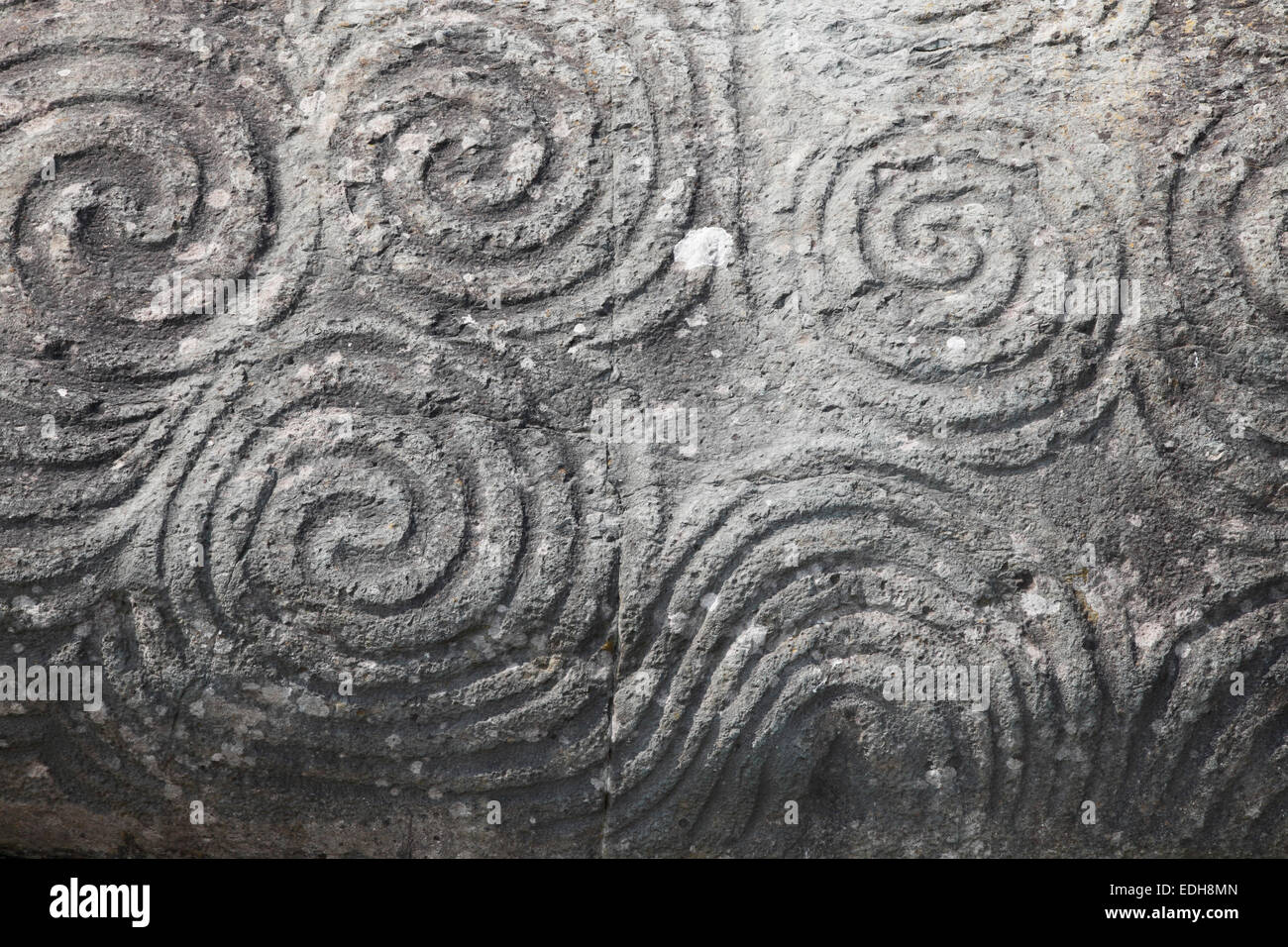
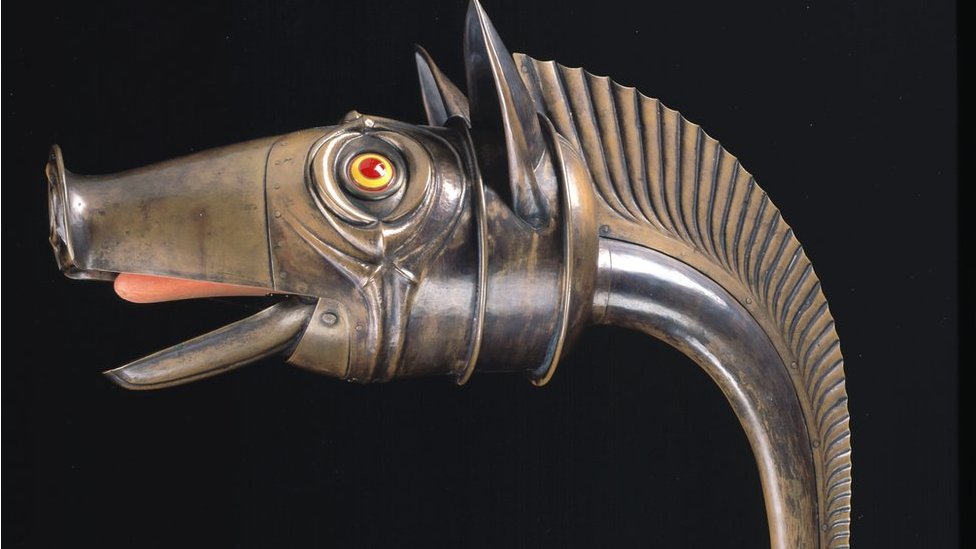
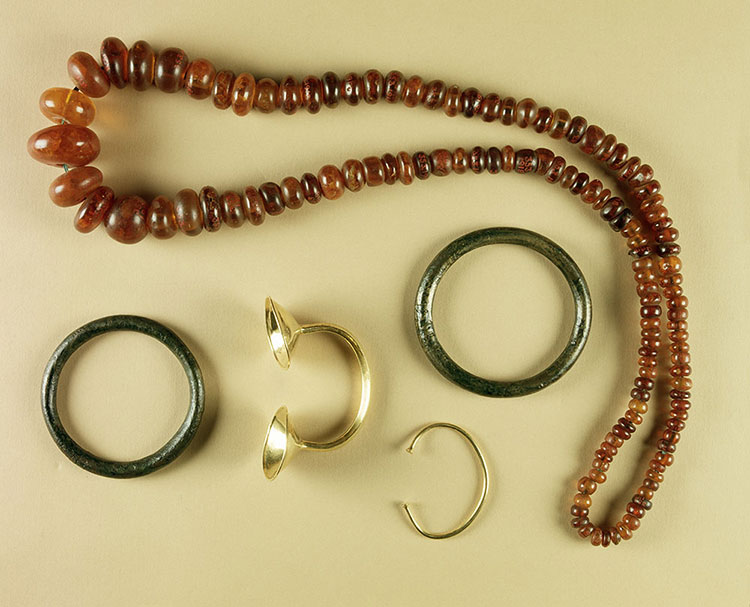
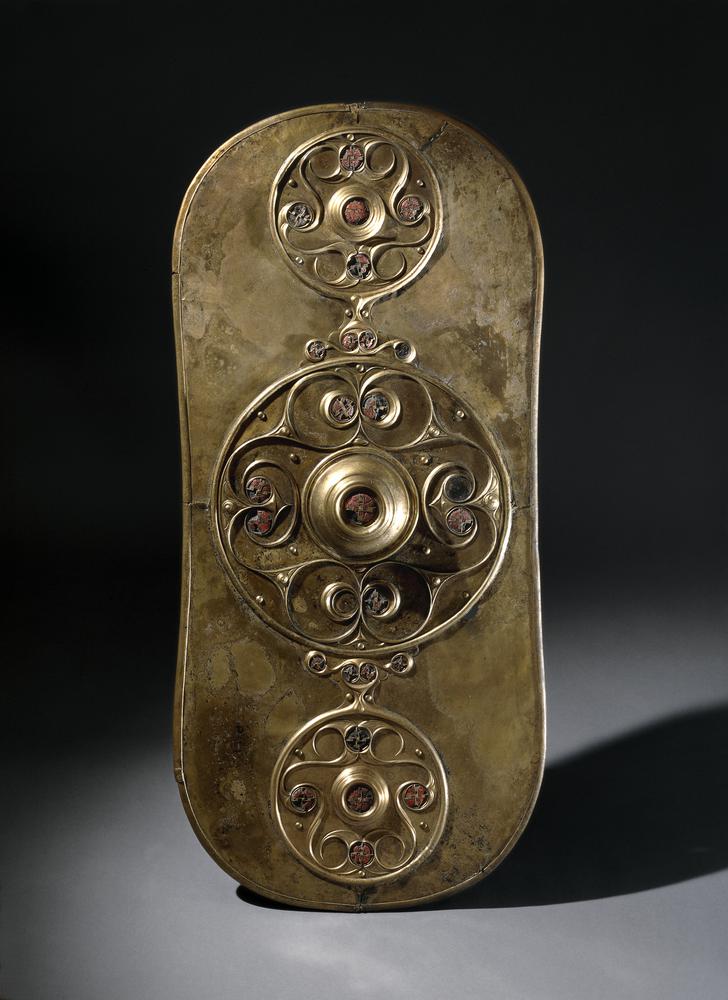
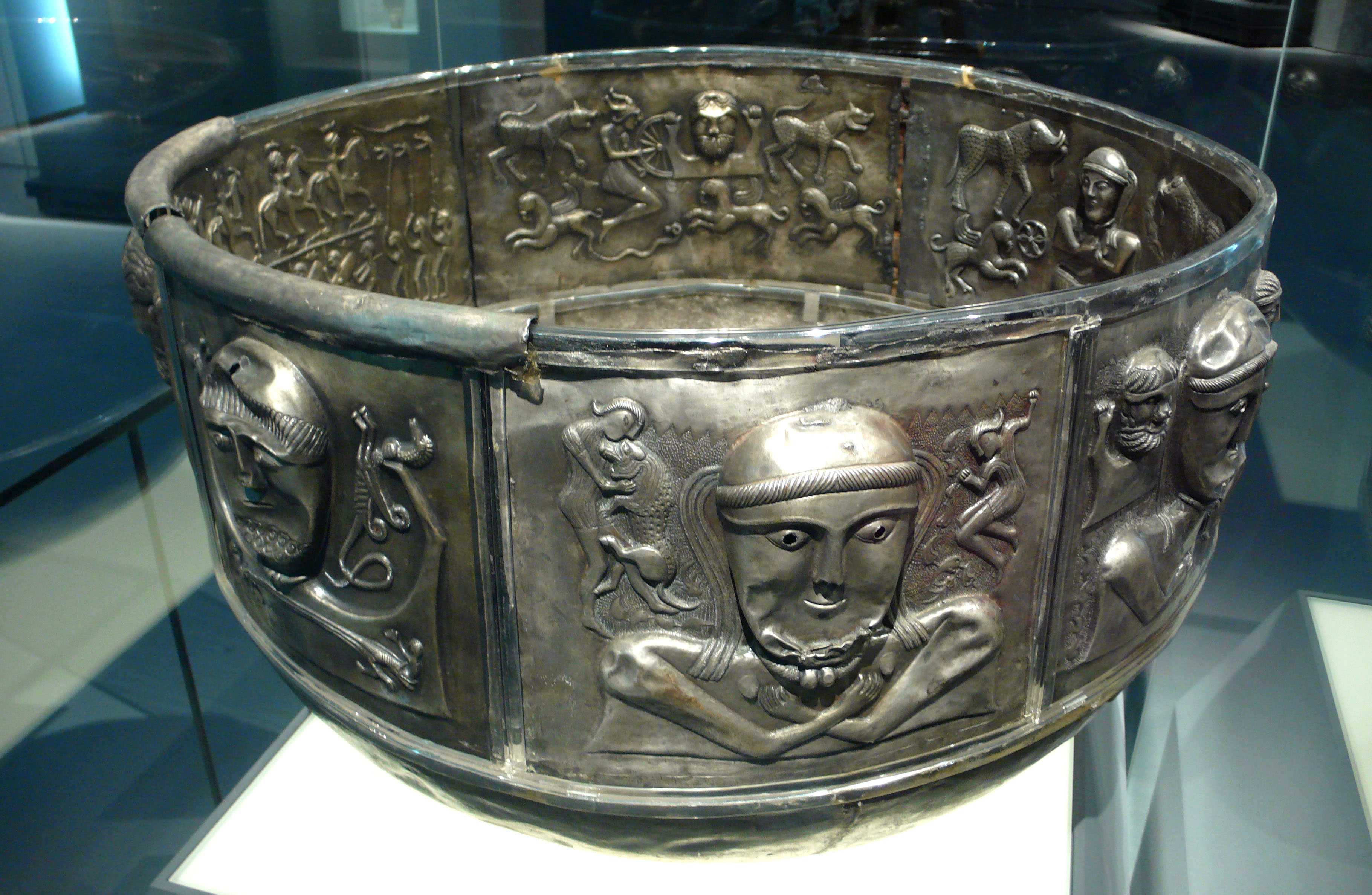
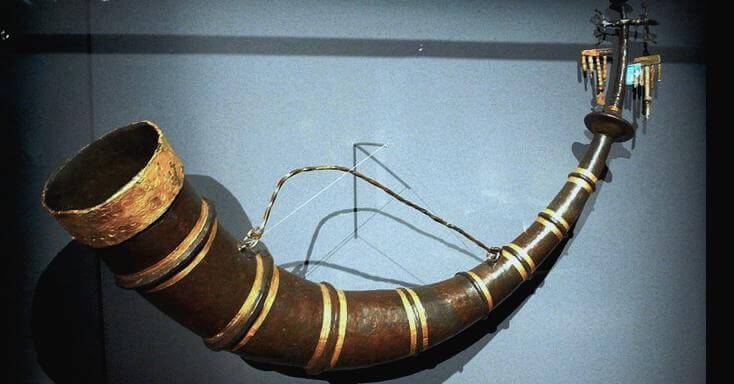
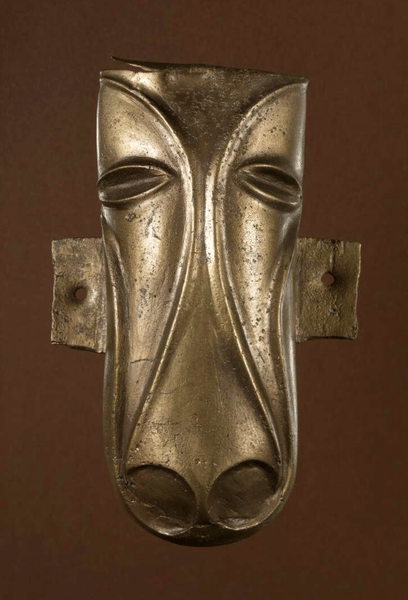
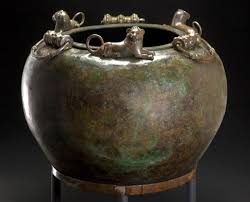
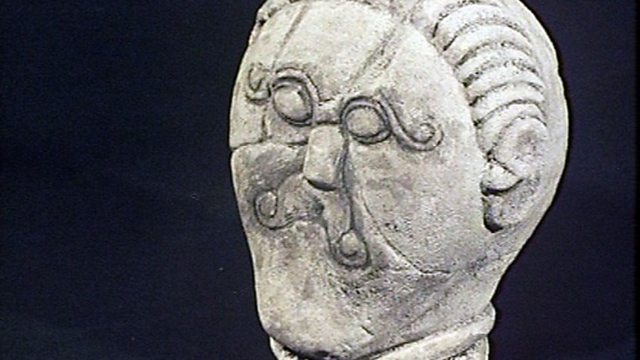
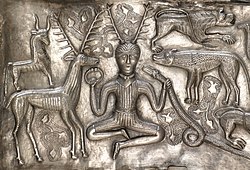
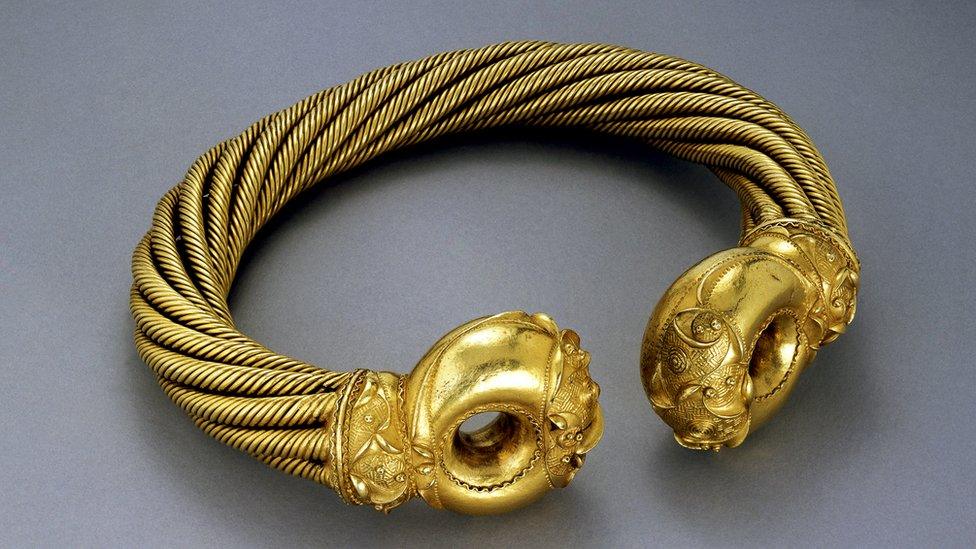
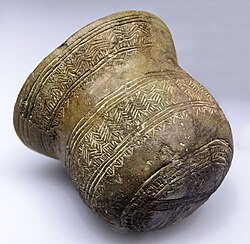
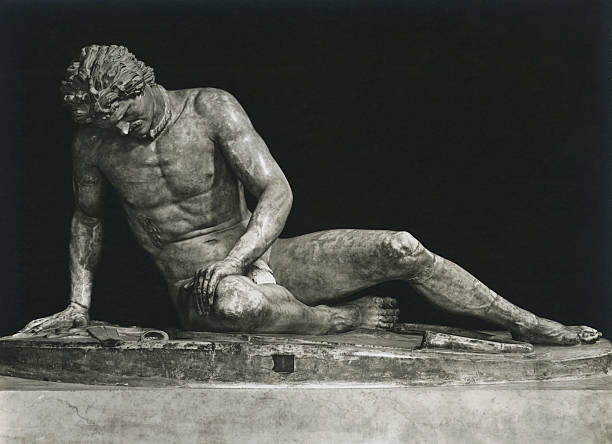
28/12/2025: The Cain and Abel Story
Why this is the most powerful Bibilical story.
Cain and Able are brothers, friends, kin. They are of the same blood. Or they are brothers in humanity.
Cain grows resentful of Abel. God prefers Abel's sacrifice as Abel sacrifices
his most valuable possessions and gives them up selflessly, that which he holds dearest he gives to God. That is his lifestock, the most valuable possessions of the prehistoric world.
In the meantime, Cain sacrifices grain. God prefers Abel's sacrifice. Abel gives more to God and gives up more of himself to God.
Abel makes the better sacrifice. As a result of God's favour, the spirit of resentment grows in Abel towards his brother, the spirit of jealousy and bitterness.
at the success of his brother. Like young people resentful at billionaires who made their fortune through enormous risk, sacrifice, pain, and huge personal cost.
Like Indians looking at the success of the English race, like black immigrants resentful at the success of
Europeans and feeling justified in whatever their actions, like friends resentful at the success of their friends. So Cain kills Abel because he feels justified.
God hears the blood of Abel scream from the ground. He asks Cain, already knowing
the answer, 'Where is thy brother, Abel?' Cain responds, 'how should I know, am I my brother's keeper?' His response is acidic and disrespectful towards God.
He assumes he can lie to God. He doubts God can know what he did. His is bitter at God for not favouring him. This sin is much greater than his act of murder.
He was justified in killing
Abel, right? He can feel no remorse because he was justified, right? How dare Abel have God's favour whilst Cain does not? Why is God's favour not evenly distributed?
How does Axel Rudakubana feel when he slits the throats of young white girls?
Does he feel justified because he has been mistreated? Did he grow bitter because God did not respect his sacrifice? Did this resentment lead him to become bitter
with God himself? As Satan himself did also? Some acts are not just foolish and sinful mistakes, some acts are active rebellion against creation and life itself.
When you see active and conscious rebellion against life and creation you know you are looking at Satan. Look Satan directly in the eye and tremble and have courage
and trust in your God.
The Spirit of Resentment is afoot, the Spirit of Cain at large.
14/12/2025: English Placenames
For whatever reason, I find place names and family names much more interesting than general English. For example, places ending in ‘-by’ or ‘-thorpe’ were Viking settlements, like Derby, Selby, Grimsby, Scunthorpe. In York, which was Viking for a long time, the streets are all named ‘-gate’, like ‘Castlegate’, because ‘gata’ meant street in Norse. Or places that were Roman forts end in ‘-cester’, like Manchester, Chichester, Bicester. Or with family names, if the name sounds French that person is probably a descendent of the aristocracy, like de Pulford, D’Arcy or D’Parys. The Normans were basically Christened French-speaking Vikings (I like to imagine God let them win as opposed to the other Vikings because they were Christian). But Harold Godwinson literally had to fight a battle at Stamford bridge just a few weeks before the Battle of Hastings - against Harold Hardrada, who was an absolute beast of a man. His story is incredible. When the Normans won, they used castles and built them quick as powerful symbols of terror against the Anglo-Saxon population. Like the Tower of London for example. But though the Normans ruled, the majority of the population remained Anglo-Saxon. Figures like St Edward the Confessor were hailed as heroic Anglo-Saxon kings, even by the Norman rulers themselves. The bones of Edward the Confessor are still enshrined in Westminster Abbey to this day. Westminster Abbey really does embody the entire history of England if you look into it. Because the Normans ruled, the English language of power changed. For example many military terms are clearly French - ‘general’, ‘major’, ‘lieutenant’. As well as judicial terms - ‘jury’, ‘attorney’, ‘evidence’. For a long time the aristocracy were influenced by France, because for a long time France was culturally superior. You could argue it still is, though England is superior in many other ways (eg from a civil, governance, or philosophical stand point). For example, Inveraray Castle in Scotland has a French-inspired interior. Westminster Abbey itself is based on cathedrals in Normandy. The English continued to feel culturally inferior to France and to be influenced by their art. But the vast majority of the normal, everyday population remained Anglo-Saxon and the Germanic culture certainly didn’t die, even if the rulers did change. The mixture of all these influences is what makes English so amazing - but the Anglo-Saxon influence is the core and the most important. I’m interested to see whether, if people continue to abandon Christianity, they return to their roots with pagan German and Celtic religions?13/12/2025: The UK is not part of Europe
Europe is a continent. You would think a continent refers to a particular tectonic plate.However, Europe and Asia are on the same tectonic plate.
The definition of the European continent is really a geographical definition and a convention.
It's based on historical and cultural factors.
It leaves a bad taste in my mouth when the UK is included in 'Europe'.
Furthermore, the UK is literally a separate island. It's physically separate.
We would struggle even to define what 'Europe' is anymore - the Roman Catholic church? The echo of Rome?
Britain is historically and culturally distinct from the rest of Europe.
Consider for example the Common Law system - England is the only country in Europe to use it.
The other systems are Civil Law which is based on the Roman model.
In terms of governance, England has long been distinct from the rest of Europe.
Whilst authoritarian and absolute monarchies prevailed in much of Europe, Britannia became the 'Mother of Parliaments' and the 'Mother of the Free'.
Her constitution was the envy of the world.
England also gave birth to Liberalism, and Scotland gave birth to the Scottish Englightenment, the latter of which has heavily shaped America.
English dominates the globe as a language (thanks to America).
The British Empire gave birth to the free nations of the USA, Australia, New Zealand, Canada, amongst others.
Britain transcended Europe. If it must be categorised in a continent, based on cultural and historical similarity, it should be part of the Anglosphere countries. 'Europe' does not suit it well and never will. The prime link to Europe is the echo of Rome, which once ruled this island alongside the rest of Europe. This is the only link and it is tenuous.
As an extension of Rome, Roman Catholicism is another link, but the state religion is Anglicanism so this doesn't function either.
I'm not concerned whether it's part of Europe on a political level (the EU).
It is not on a cultural or historical level. Maybe it once was; but it transcended when the British Empire surpassed Rome.
This and other factors made Britain special, distinct, and exceptional.
06/11/2025: Superior Cultures
Let me write clearly to establish my own position and to reaffirm my own sense of sanity in this world of lies.
Somehow, one feels uncomfortable even using the word superior. This is wrong. Superior.
The other day, I managed to make clear my own mind. I was able to reassure myself that I am not racist. The position I stand on solidly is this:
Racial superiority is morally and factually wrong. Cultural superiority exists and evolves...
My point is this. At certain points in our history, certain cultures have produced superior civilisations, regardless of race. I'm not a historian, but one could probably argue that the ancient Chinese, the Ottoman Empire, or the Greeks, amongst many others, were once superior cultures. In my personal opinion, based on certain facts and objective truths from history and the historical record, the United Kingdom was for a time the superior culture. It was also (emphasis on the past tense), in my opinion, the most superior culture in history; I will allow this can be speculated.
Firstly, my definition of culture is broader than the general use of the term today. I would add, importantly, the habits and customs of a people to that definition. For example, it is a strong custom in British culture to say 'thank you' when someone opens a door for you. It is a strong custom in American culture to tip people heavily. It is a strong Indian custom to share possessions and, somewhat, to shun talk of sex in the open. These sorts of things, as well as art, food, and sports, I include in the meaning of 'culture'.
To emphasise the point that cultural superiority exists and evolves, I would like to argue that certain aspects of Indian culture, as one example, have always been superior to British culture (interestingly, I'm not the first English person to state this). In the same breath, from my view, British culture is the most superior to have existed in history. Perhaps this is only challenged by the Romans. However, this is rapidly changing. For example, today Indians might be harder working and more driven on average. They form (or did form) stronger marital relationships. India has a stronger sense of community and family. And the food is, in my opinion, the best cuisine. Therefore I would happily accept an argument to say that Indian culture is now superior to British. (In a similar sense, I should say we are now being re-taught Christianity by Nigerians.) And I should say that in this analysis I am only using my intuition and observation. It is an opinion based on people I've met in the UK; yet these are probably some of the richer Indians no doubt. But they tend to be the most agreeable of people, and their culture in terms of art, music, food, and ambition is strong, and many end up very successful. Can the same be said of the contemporary English?
American culture is superior to British in certain ways. It is more innovative and extroverted. Bolder and more audacious, today and perhaps always.
Hence, cultural superiority evolves.
Racial superiority plays no part. Only culture. The idea of racial superiority, which it should be said was probably ubiquitous across cultures throughout history, regained ground in Western Civilisation with the arrival of Darwinism. Darwinism, which came from the Theory of Evolution, discovered in 1859 by Charles Darwin, said that essentially the strong survive and the weak die. This is what the record shows in evolutionary terms. The strong survive and the weak die was the norm throughout pre-history. Indeed throughout ancient and early history too. Indeed, this is what the Romans and Greeks thought, perhaps the Romans more so. The primary change for Western Civilisation came with the arrival of Christ. The idea that God, all-powerful, all-knowing, died. That God could appear weak. That was radical to the human psyche. And if you think you have not been affected by this event, recognise that, 'Christianity is the sea we swim in'. It challenged the Israelite perception of God. Suddenly the weak were the blessed. The Most-High was humiliated, spat on, tortured, betrayed by enemies and friends, paraded through the street naked, laughed at, and nailed to the cross naked. That is the radical premise of Christianity. This was a singularity in the history of humanity. It became the branch on which Western Civilisation stood.
Darwinism also proved that the Earth was way way older than we thought. This destabilised the Bible narrative, which claimed the earth was not that old. Darwinisim also proved that humans evolved from animals. They were not instantly by God created so to speak. Thus, Darwinism ushered in a new age of rationalism and atheism and realism. The angst that resulted in Europe is evident in the works of Dostoyevsky, Nietzsche, Tchaikovsky, and Mahler, for example. The result of the 'death of God' as Nietzsche saw was the horror of the 20th century. The state and/or the tyrant rose to fill the hole left by God. Hence, Hitler, Mussolini, Stalin and Franco. Hence grand ideas like Communism. And Darwinism somewhat soured the British Empire I believe. I am not a historian proper, but this is what I gather from observation of peoples, art, literature, classical music, and from reading history.
With Darwinism came Eugenics. This said that some races were naturally superior by virtue of their race alone, physically and mentally. This is the philosophy that the Nazis adopted. This is my definition of racism. That's not to say it's impossible that it's true - it could well be true. For example, some black people clearly have genetic advantages in long-distance running or sprinting. That's a fact.
My personal perspective is that the mind is what matters. I believe, and deep down have always believed, that man is made in the image of God. He is, therefore, full of potential. With the right customs, institutions, education, and cultural environment, any man can flourish for this reason. It is dependent on the constitution of the mind, which is formed especially by education. I would disregard any physcial superiority in the analysis. This is important but the lesser part. A person is primarily the constitution, that is the organisation and arrangement of their mind. Certain cultures throughout history have had institutions which crafted the minds of their people in certain ways. Habits and customs were adopted by people which shaped their minds and environments. It is possible to have a superior constitution of mind to somebody else. This is independent of race, and largely a result of culture.
For example, I belive Christian theology and morality shaped the Western mind in so peculiar a way as to curate its success. As well as the precepts of Greek and Roman philosophy. And embedded in the Christian theology is a Jewish theology which likewise shaped the mind. Indeed, Nietzsche credited the Jews in Beyond Good and Evil for giving the West a certain existentialism.
Superior cultures (habits, customs, education, languages, art, food, sport, architecture) shape superior minds. British culture, in this sense described, is indeed today shakey. One can question the superiority of British culture today with more conviction than ever before. But throughout history, minds have been undoubtedly shaped by British institutions, customs, habits and theology, to become some of the best in history. That does not mean to say that the same will be true in the future. In my view this fact is independent of race. And one can use objective measures. In order to judge a superior culture, there are objective truths which can be referenced as evidence. Look at life expectancy, literacy levels, scientific and technological discovery, production of art, production of books and records, infant mortality, violence levels, the franchise, political stability, and quality of life. One can use factual metrics to judge a culture.
People who discriminate against different races today. They do so because race is an outward statistical indicator of inner constitution of mind. The 'working' classes may be less able to articulate this fact. And undoubtedly, some of it is indeed pure hatred and racism. New arrivals in the UK have not had opportunity to be shaped by British institutions. Race is a statistical indicator, not a guarantee, of the underlying culture which has shaped the person. Why is this so difficult?
For example, the Wind Rush generation had minds which were already somewhat shaped by British institutions. And you can encounter many British Empire immigrant families who have nothing but gratitude for what the Empire gave them. Suella Braverman, Ben Habib, Matthew Syed, and Trevor Phillips have said as much. And of course, we can have pride in the Empire as well as shame.
It is in fact normal and natural for people to feel tribal allegiance towards their own race; their race is in a sense an extension of kinship and family. Language can also bind strongly, as some kind of deep music. And it gives so much merit to the lofty heights Western Civilisation has reached, that different races are now able to live side by side. Historically, and elsewhere across the world to this day, this has been and remains impossible.
Let's keep saying superior until it's normal again. Superior, superior, superior.
And we would do well to remember the old English saying:
Sticks and stones may break my bones, but words will never hurt me.
23/10/2025: Chetham Close
Up on Chetham Close, scorched yellow earth burns in vast expanses of moorland like Valhalla, whilst grey-eyed cloud pools and darkens and blackens overhead. Buds of pink gorse bubble up in bundels across the cracked ochre hills. Your entire field of vision is moorland and grey sky. Your nose is filled with the smell of mud.
The Celtic stone circle vandalised but powerful hides beneath the yellow grass. Wind rushes your ears and hums as if timeless. A patch of red berries and a bright white fern-like plant lie in a round patch of flattened grass. They have been torn from some other place and put there. Maybe it is the nest of some shrub-dwelling bird. But in my imagination the vivid red of the berries was like the blood of some ancient ritual.
You walk around the circle several times. You graze the surface of the stone with your hand, just as you grazed the stone of Manchester Cathedral. What horrors were committed here thousands of years ago in service of the sky god?
Walking down the hill, the stone circle behind you and the blackening clouds stirring at the back of your head, you see the metropolis of Manchester open up before you. '-chester', that is 'fort of the Romans'. If there is anywhere in Manchester that feels holy it is certainly the Castlefield area, the John Street gardens, within the shadow of the fort. You turn to the east, walking down the gently descending path, when the rigid silhouette of Peel tower appears in the far distance, the soloist in a ballet of turbines. Then you are struck by this still forest scene. A small copse alone in the midst of the moors, surrounded by a crumbling stone wall in a odd rectangular shape. It strikes you as tremendously still and serene. That is, compared to the rushing cruelty of the moorland. A stream of clear water trickles alongside the wall, bridged by a couple of stones. A showering of reds and flames and oranges patter like rainfall from the autumnal canopy. This must be one of the cloudiest and most wet parts of the country, without a doubt. It is interminably gloomy. Indeed, it was the moisture in the air that let the old cotton mills run so well. And lurking in the background of this delicate forest scene, dark and sinister, spines like old men jagger upwards, as if bitter about having to say hello. But the serenity of the forest was striking and still: with the sound of the gently running stream.

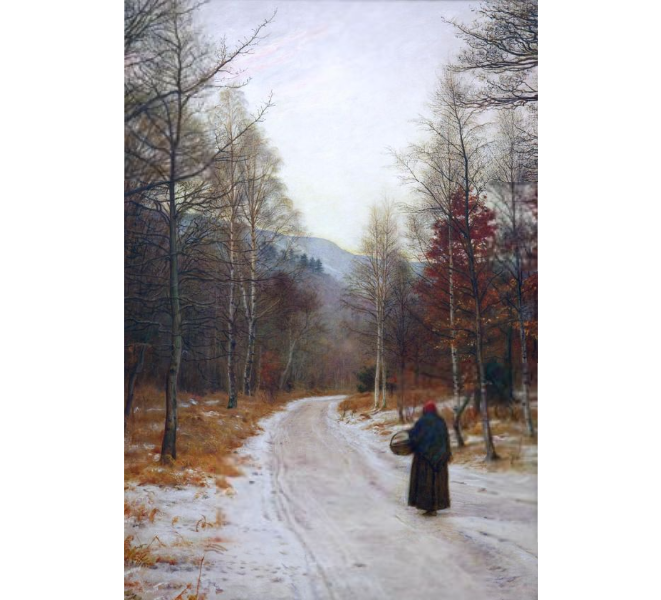
22/10/2025: Hyperreal: Art I like from Manchester Art Gallery
I like the unnatural fluorescence, the vibrant and vivid colours of these paintings from Manchester Art Gallery. Feels pagan. It's like being colour-blind, or rather colour-awake. Psychedelic. Supra-real - no, hyperreal. And the Christian imagery of the first one. The second looks like how a Hazelburn 10 tastes. Multi-coloured. And the first painting evokes a feeling of the cold and apocalypse... the Steppes.
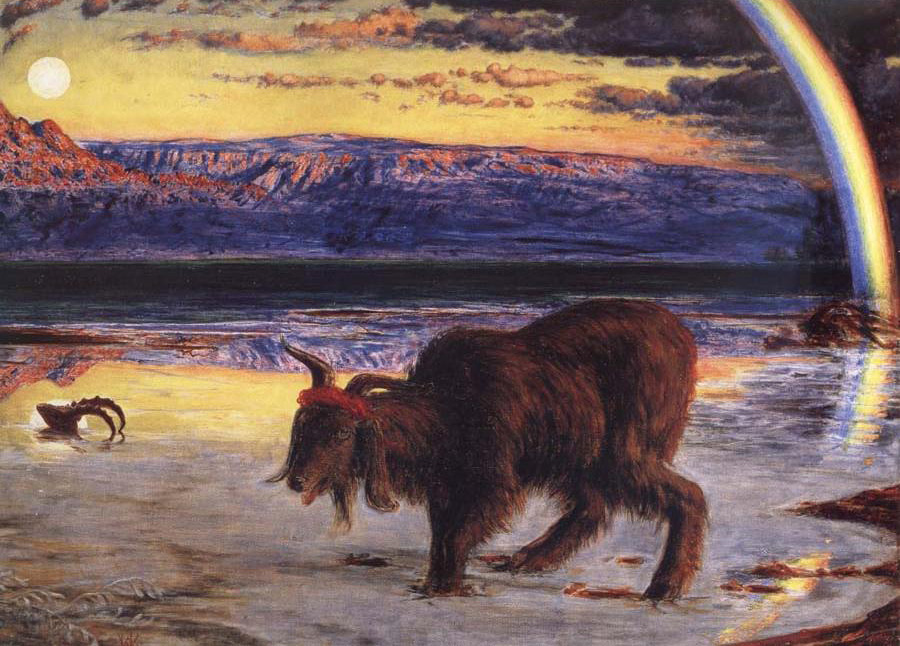

22/10/2025: Summmary: The Bell Beakers and Corded Wares
The Proto-Indo-European language of the Steppe peoples, the Yamnaya, is the foundation of most European languages plus Sanskrit. The Yamnaya as nomadic herders lived off of milk and diary and were one of the earliest to develop lactose tolerance, with milk and butter consumption. They consumed fermented diary, with cheese and yoghurt in their diets. Fermented diary reduced lactose content and lasted longer, providing calories and protein in the harsh Steppe environment which fueled their expansion. The Indo-Europeans separated into two main cultures; the Bell Beakers (Proto-Celts) and the Corded Wares (Proto-Germans) the former went West and the latter went North. Later both of these cultures were affected by Christendom thanks to the reach of Rome. The Bell Beakers tended to have ornately decorated cups, whilst the Corded Wares had more prosaic herringbone patterns. One can speculate here that we already see the Highland-Catholic luxuriousness versus Protestant temperance. It does seem that Protestant culture took hold in those states which had a Germanic basis, beginning with Luther. I'd also like to suggest a connection between the religiosity of the Druids and that Christianity which was preserved by Scottish and Irish monks throughout the Dark Ages on remote isles like Iona. My primary point, then, is that Nietzsche came from a Corded Ware culture; what he missed was that England is a mixture of Bell Beaker and Corded Ware peoples. At the present time, however, we would do well to focus on our Corded Ware inheritance and listen to Nietzsche, as befits the moment.
22/10/2025: Proto-Indo-European Culture (~3500-2500 BC)
So it turns out after further research, that Europe is descended from the Yamnaya. The Proto-Indo-Europeans. This group gave us the Proto-Indo-European language group. For example, English ('Mother'), German ('Mutter'), Irish ('Mathair') , Welsh ('Mam'), Sanskrit ('Matr'), Persian ('Madar'), Greek ('Meter'), Latin ('Mater').
The Yamnaya lived in the Pontic-Caspian Steppe (modern day Ukraine and area between the Black and Caspian seas). They were nomads; they moved a lot. They occupied vast treeless grasslands. They herded sheep, goats, horses, and cattle. They employed the wheel extensively. Lead by elite males, buried in kurgans, or single-mounded graves. Kin-based clans lead by patriarchs. Women sometimes buried with status. The kurgans persisted as a form of burial after the Indo-Europeans. Burial with goods and sometimes wagons showed a belief in afterlife. Modern Europeans are 30-50% Yamnaya ancestory. They were tall with olive skin and dark hair, mostly brown (or green) eyes. They likely worshipped a sky god (Dyeus-pater), who was the root of Zeus, Jupiter, Indra, and Odin-Thor. They carried out ritual animal sacrifice and feasts. Cultural obsession with horses and cattle. Sun and wheel motifs as symbols, showing an understanding of cosmic order, with astral or star reading elements.
From the Yamnaya were born three primary children, Bell Beakers (80%Yamnaya), Corded Wares (70%), and Sintashta (80%).
Italics (5-15%) and Greeks (10-20%) had less Indo-European influence, and bred more of Mediterranean farmers.
The language of the Yamnaya ceded Celtic, Germanic, Greek, Sanskrit, and Latin languages. Look at the word for 'mother' from Dublin to Delhi.
Corded Wares (~2900-2400 BC). These Yamnaya children migrated to modern Poland, Germany, Scandanavia, Balkans. They were less nomadic, settling in long woodhouses, and more territorial. Warrior-elites were buried in single kurgans. Their clans were smaller and less mobile. Their dead were dusted with red ochre. They were buried with battle axes. Their beakers were impressed by cords, often with herringbone patterns. These were not so ornate. Their northern migration boosted light-pigmentation genes - lighter skin, bluer eyes. Thus, despite Nazi propaganda, the Corded Wares descended from olive-skinned, brown-eyed Yamnaya. Bleached hair and eyes was simply to absorb more vitamin D in the North where days were short. They bred with hunter-gathers from Scandanavia and Baltics who had red hair, also a genetic mutation favoured for vitamin D absorption during short days. They were tall, 40% were blonde, 60% blue-grey eyes for adaption to UV absorption. Their sky god became Odin and Thor. They believed in an afterlife which was tied to status. They were less trade-focused, and more territorial. Proto-Germans and proto-Vikings and proto-Anglo-Saxon.
Bell Beakers (~2800-1800 BC). Bell-shaped pottery. Iberia, Netherlands, Britain, France. Proto-celtic. Less warlike than Corded Wares. Excelled in trade and cultural blending, from Portugal to Scotland. They thrived in diverse landscapes, mountains included. They had strong maritime trade, tin from Cornwall and amber from the Baltics. This made them more cosmpolitan than Corded Wares. Highly mobile, with boats and wagons. Less hierarchical, with trade-status over war-status. Male-lead, but less dominant than Corded Wares. Finely decorated beakers, gold ornamentation, wrist guards. Drinking of beer and mead in rituals. 50-70 % Yamnaya, so less than Corded Wares. 30% blue eye, mostly brown hazel. Proto-Irish, -Celtic, -Welsh, -Gallic, languages. Sun and river worship, and possibly early Druids. Ritual drinking rather than war-drinking. 40% steppe genes. Trade-savvy, maritime networkers, with more mixing and a cultural flair for art and exchange.
Sintashta (~2100-1800 BC). Naturally I know next to nothing about this aspect, from intuition or experience. But it is fascinating. These Yamnaya moved east and settled seat of Ural mountains. Invented the spoke-wheeled chariot (two-wheeled, not four like a wagon). Language of Vedic Sanskrit and Avestan in Zoroastrian Persia. They built fortified settlements unlike the others. They worshipped fire. Their rituals involved psychoactive drink. Rigveda hymns and chariot and fire cults. Proto-Indian-Iranian peoples. Multi-family dwellings. Metallurgical expertise. Kurgans, warrior-elite. Horses symbols of status. Animal sacrifice burials, and complex funeral rites. Fire altars and libation practices. Indo-Iranian language split into Indo-Aryan (Vedic) and Iranian (Avestan).
22/10/2025: Asking Grok What it Thought of My Argument
What do you think about the idea that Europe is the conflict of Germany and Rome?
"It's an intriguing take – that Europe's core tension boils down to a clash between Germanic tribes and Roman legacy. Historically, yeah, the fall of Rome set off centuries of push-pull: Romans brought law, roads, Christianity southwards, while Germanic groups like the Franks and Saxons carved out new kingdoms north of the Alps, blending but never fully merging. Think Charlemagne crowning himself Emperor in eight-oh-eight – reviving Rome's ghost over tribal roots. Modern EU? Some say it's Rome's dream of unity versus Germany's economic muscle driving the bus, like in the Eurozone debates. Fascinating lens, but feels a bit oversimplified – what about Slavic or Celtic influences? Makes you wonder how deep those old divides still run today. What sparked this thought?
So Grok identified, as did I, the Celtic influence. My thought is, are Celts not cousins of Germans? Or can one not classify properly Celts as Germanic? And yes, Slavic didn't even cross my mind.... There is clearly a gap in my knowledge on the Slavic front, perhaps. I certainly have the utmost respect Russian classical music. And on the topic of Picts, according to Grok, scholars seem to say they are somewhat Celtic - but it's ambiguous - and they are definitely not Germanic. It seems Celts and Germans are very much distinct, though very distant cousins. Celtic and Germanic both originate in the Indo-European language group. The Semitic language group takes Arabic, Aramaic, and Hebrew. In Europe, the Indo-European language group dominates, that language group which originates in the Pontic-Caspian Steppe. It sprouts Greek, Latin, Germanic, Celtic, and wonderfully fascinating, Sanskrit. The outliers are Uralic - from the Ural mountains, now in Finnish, Hungarian, and Estonian - and Basque. Hebrew and Arabic only shower influence on the on the Indo-European group.
Do the Picts count as Celts or are they Germanic?
"The Picts are often lumped in with Celts, but it's tricky – they're more mysterious ancient Scots from north of the Firths, known for tattoos and symbols nobody's cracked yet. Linguistically, yeah, their language might've been Celtic-ish, maybe related to early Gaelic spoken nearby, so scholars lean that way for classification. Definitely not Germanic though – those were Teutonic invaders from across the North Sea, like Angles and Saxons who pushed into Britain later. Picts fought 'em off for ages, holding their turf in Caledonia until Vikings and Normans muddled things up. Kinda like Europe's own puzzle box.
21/10/2025: Nietzsche Neglected the Celts (edited 22/10/2025)
I recently read 'Beyond Good and Evil'. Nietzsche writes that Germanic music is the soul of Europe. I agree with him.
When you say Germanic, you can consider those places where Germanic languages are spoken. That is, Austria, Switzerland, Netherlands, Belgium, Denmark, Norway, Sweden, Iceland, and the UK (English) and its anglicised colonies.
To say German music then, one can include Austria certainly. One may consider English music; but to do so is like an insult. It is not condensed like German classical music, nor anywhere near as brilliant. I hesitate to even mention it, such is the disrespect. It is wooden. As Nietzsche says, 'there is no dance in it'.
Still, I am not a Nietzschian philospher. He sickens me. Yet he is also shatteringly brilliant, and his insights are brilliant, and they opened my mind; maybe broke it.
In being hyper-individualistic in his thought, he is intensely Western and in a particularly condensed form. Where I think his thought fails is he neglects social phenomena. He puts forward the type of man that Aristotle argues against in Politics, one who supersedes the polis. In a Christian lense, that looks Mephistophelian.
Where England does trump Germany is on the spoken and written word. The dynamism of the English tongue. Think Shakespeare, the King James Bible, and parliamentary oration. Think Churchill's speech.
Nietzsche attacks the English for being too pious with their Psalms as part of his vituperative attack on Christianity. Maybe Psalm-singing is English music. Our ancestors sang the Psalms every morning and evening at Matins and Evensong. Hence the great choral tradition. Even the Beatles, John Lennon and Paul McCartney, were choirboys, and arguably they begat the pop genre in itself. It is true that when Nietzsche wrote, in the 1880s, Darwinism, following the discoveries of Newton, were shaking Western Christendom. Darwinism even turned the British Empire sour. And yet Nietzsche criticised the English for being too pious. And though he denounced anti-semitism, it is in his hysterical and dissociated psychological state that he embodied the whole spirit of Germany at that time; he was its apotheosis. He represented a disturbance in the social psyche that ultimately lead to Nazism. He was an unmatched genius; but it was Mephistophelian brilliance. Precisely because it was a rebellion against God, and worship of the false idol Wotan. For he was notedly anti-rational, perhaps unlike his compatriots. But we should bare in mind that this is a people as with the Picts, as Tacitus wrote, that shook and stopped Rome. Without the constraints of God, the Germanic bow so tightly bound was restless to be unleashed. And from a culture so highly cultivated and civilised that it was impossible to imagine. I know as much from the music. Nietzsche only questioned the target. And the tyrant filled the hole left by God.
So Nietzsche cannot be decried as an excessive rationalist, but rather as a worshipper of Wotan and Mephistopheles. Maybe that's what made him ill, and put him in an early grave.
What is the false idol of today? Hiding amidst this social contagion of sickly compassion in the shadow of true Christendom, looms the stench of do-goodery and weak passivity. Nietzsche vehemently attacked the Christian democretising impulse infecting Europe. Infecting the self-sufficiency of man. He loathed the compassionate 'NPCs'. Their 'compassion' was a mere mask for weakness, cowardice, and fear. He loathed equality. Today the rainbow flag, that twisted symbol of equality, literally hangs in our churches. What greater sin; this is exactly the false idol which has replaced our God. In Manchester Cathedral, 'Diversity' and 'Inclusion' are literally carved into the stone wall in a recent addition. Germans filled the gap left by God with Hitler. Russians filled the gap left by God with the State. England remained pious. But now the sickly compassionate self-immolating Western world, in lieu of true Christianity, has filled the gap left by God with the rainbow flag.
Beethoven is my favourite composer. Because he was a revolutionary. Because he broke into the Romantic period from the Classical period. Because he is the restless Germanic wrath, which is well-contained and organised. You also have the pure and sacred Christian music of Bach. And the nice music of the Austrian, Mozart. Together they are the true Germanic soul of Europe. Who can question me? If you need more evidence of this Germanic soul, look at our Gothic cathedra - from Cologne to Yorkminster.
What did Nietzsche miss in his diagnosis of England? What made England different to Germany? I would like to forward the argument that the Celtic influence is understated. The entire West coast of these isles, and pre-Roman Britain, were shaped by Celts. Celts preserved Christianity on behalf of Europe and the world throughout the Dark Ages, such as at Iona. The Celtic monks educated the Venerable Bede and Alcuin, who went on to advise Charlemagne as he Christened Germany. The Scottish Englightenment, which eventually made America, came from Celts. Scottish bankers shaped America. Scottish captains gave the British Empire Canada. The chieftain-like leadership of Scottish administrators in the Empire helped improve the world. The Industrial Revolution began in Celtic Lancashire.
And I am not saying these places were purely Celtic, but they were imbibed with its ways. Paganistic. Does not the chaos of the pagan beget new ideas? Like Protestantism, preponderant in Germanic states? Excepting the Druids turned Christians. Lancashire and Scotland, for example, feel notedly pagan, compared to say Yorkshire or Bedfordshire. And it was Lancashire and Scotland thence came the Industrial Revolution and the Scottish Enlightenment.
If Corded Wares were the superior race, why did they lose? Twice? The stinking arrogance of Europe.
It seems to me that the potency of the Druids in the shaping of Celtic minds set foundation for Irish and Scottish monks, who educated Bede and Alcuin. Remote isles, this special spot. Unnameable mystery. You taste it in Campeltown malt, which we call 'spirit' afterall. Maybe the West, the New World, is really the West of the British Isles - not just Columbus. The rugged Western coasts of Ireland and Scotland. Once the edge of the known world. Like Britain was to Rome. Now, the West is even further away, in California. Where is the next frontier?
Nietzsche underestimated the Celts. Yet the soul of Europe is still German. And Verdi is its heart, its passion...
What is Europe but the conflict between Germany and Rome?
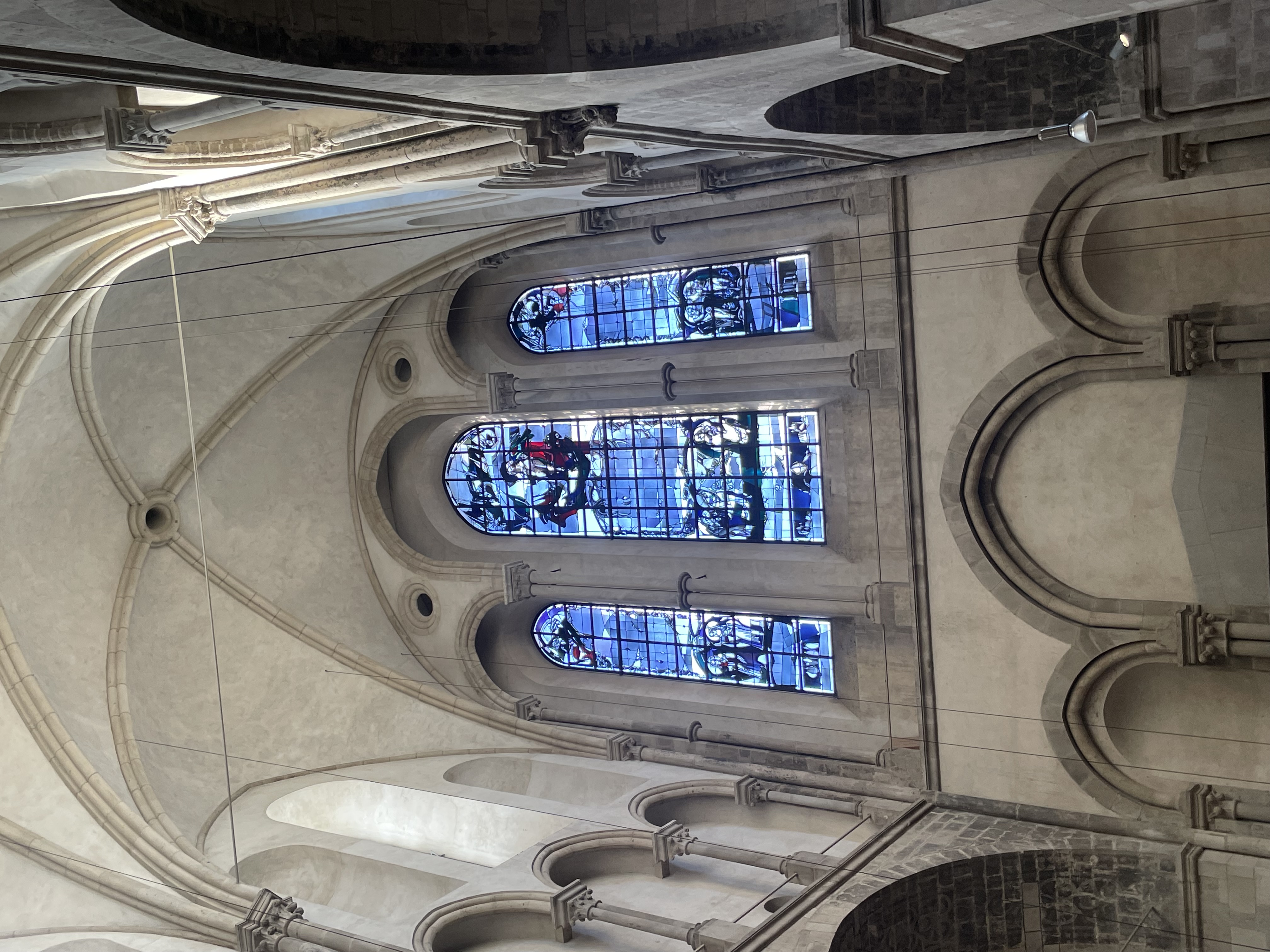
14/11/2024: Campbeltown Whisky
On the eastern flank of the loyal 'Kintyre Peninsula' in the United Kingdom, shaded from the gales of the Atlantic by a long strut of land, lies Campbeltown, the 'pirate's cove' of Scotland.
Once home to over thirty whisky distilleries, Campbeltown is one of the great hidden nooks of these Sceptred Isles, and its heritage seems to hang in the briny air...
To reach Campbeltown, you travel by coach along the western side of the peninsula, following a winding road by the sea. Seemingly, you are on the edge of the known world. Depending on the weather, waves ripple and gently
break against the rocks. As you look out across the empty sea, and against the prison wall of the cliffs to your left,
one can easily imagine a young Scot of yore, looking out to the West, dreaming of his prospects in the 'New World'. An Andrew Carnegie, hoping for exodus from British rigidity and tyranny.
And on your left as the coach grumbles up and down, rocky outcrops jutt from rugged tufts of vivacious greens, which sprawl forth in richness. Sheep chew away in the sea-mist ridden air. The salt, it seems, enriches the soil. And a tidy mess of farms and cottages and crumbling stone walls climb over the hills. It's verdant land carries the
character of Ireland (indeed we are near as close as one can possibly get to Ireland whilst on the mainland).
For whisky lovers, Campbeltown remains a treasure trove. Visit Springbank distillery, visit Cadenheads. Drink a Kilkerran 12 year old. You will taste the brine of the seaside town
in the whisky, you'll taste the must of the old warehouses, you'll taste the distinctly Campbeltown peat, which is briny like seaweed. And you'll be immediately transported to the deck of some rugged fishing vessel
of old. And when your distillery tour guide opens the washtun, you'll smell a pungent fruit like nothing you've smelt before, like rich and condensed apples; and the smell
will never leave you. And everytime you taste the whisky from then onwards, you'll taste that salty sensation and the sweetness will remind you of the washtun.
Maybe you'll chat to a local barman who, tucked away in the middle of nowhere, holds his Scottish character unscathed. I heard it said that to become a local you must have lived
in Campbeltown for at least three generations!!
And maybe the sun will emerge, and suddenly the place will have the character of some Caribbean island. Suddenly, one can vividly imagine the illegal whisky smuggling to
the New World.
And if you walk along the sea front, you'll see it is adorned with Allied flags. You'll see, tucked away in this random town in the middle of nowhere, on the outermost
edge of our island, memory remains pure and untainted as if it had been distilled.
You'll see war memorials, alive and potent as if it were yesterday.
And along the main street, Union Jacks hang peacefully and naturally, and the rugged and rolling hills rise in the background!!
Wine & Whisky
21/10/2025
I am a whisky man, but I'm trying to improve my wine game. I started with the French wine first (focus on the best I say). I tried a Cabernet-Sauvignon (the grape type). I found it a bit tart. I discovered you're meant to leave the wine in the glass at least 15 minutes to oxidise and open the flavour. Next I tried Merlot (another type of grape); I preferred it to Cabernet-Sauvignon. I realised I liked a more full-bodied wine, rather than medium-bodied. The really black stuff. My father recommended Shiraz or Malbec.
Today I tried a Shiraz. I looked for an Australian Shiraz in my local shop, but no luck. So I got a Dutch-South African brand. Screw-top. It's great. My favourite yet. Like father like son I guess.
Next, I try Malbec.
21/10/2025
Yes, the date didn't change...
Malbec is my style. Like the Shiraz. But this might be better. More complex. And you can literally taste the musty warehouse in the background. This one is Bordeaux; the best of the best? It has that next level of complexity, akin to Springbank, and the Malbec, the Shiraz grapes, are my style. A bitter background unlike the previous wine. May be too sophisticated for my wine-palette at the moment. I think now that I preferred the previous one, though the warehouse-background-taste, and bitterness-umami of this one is intriguing. The previous wine was sweeter. Cannot really taste the Shiraz/Malbec distinction yet.
25/10/2025
Did a mini private whisky tasting myself, starting on the left with Hazelburn 10.
Hazelburn 10 is my current favourite whisky. I've finished a full bottle previously so I know it well. Tastes 'multi-coloured' I like to say, like a rainbow. The triple distillation and no peat makes it interesting, lighter and more delicate, floral with less depth or punch.
Springbank 10. Stronger, punchier, deeper, more condensed. Seems slightly peaty but unsure; it may just be the warehouse must, which you definitely get. Great, and very complex. The Hazelburn 10 is complex, but I've had a whole bottle before so I'm familiar with it. The Springbank 10 is going to take some time to get to know, but it's excellent.
Ardnamurchan 6. Adelphi distillery. Natural colour. Unchillfiltered. RAF edition. This is a young fiesty bastard. It has development and finish. Real vanilla almost almond note. Much dryer than the Springbank corpus. Metallic almost. Clearly bourbon oak. Good finish. Narrower sharper more direct delivery. But enough elements and punch in there. Peculiar almond vanilla nutty sharpness. Sionide. Acidic. Bourbon grass coming through. Crystallic. Sugar. Burnt sugar. Bitter honeycomb. Wriggles its way out to Springbank territory. Less 'whole' delivery because it's young. Honey. Sweet dessert. Tiramisu. I'd like to compare this one with a standard Ardnamurchan.
Isle of Raasay, The Draam, to finish. You want to start with lighter more delicate whisky, then move to higher alcohol content and peat and smoke content to finish. Otherwise, the peatier or stronger whisky just wipes out the subtle ones. This is a stellar lineup. You move from left to right. Hazelburn 10 is triple-distilled, light, delicate, gentle, no peat. Springbank 10 is a step up, condensed sugar fruity pungent punch. I feel there's peat there, or smoke, but maybe it's just warehouse must. Ardnamurchan boosts the alcohol level - 59%. And it switches completely to the Highland style. Campbeltown style is much fruitier, sweet pungent apples, and maybe more Irish - Campbeltown is close to Ireland. Then BAM, you finish with the Isle of Raasay, which is storm-soaked and craggy, and sophisticated even though it's their standard dram. The name's fishy. Very fishy. Smoked mackeral. Soy sauce. Raisin. Tobacco smoke.
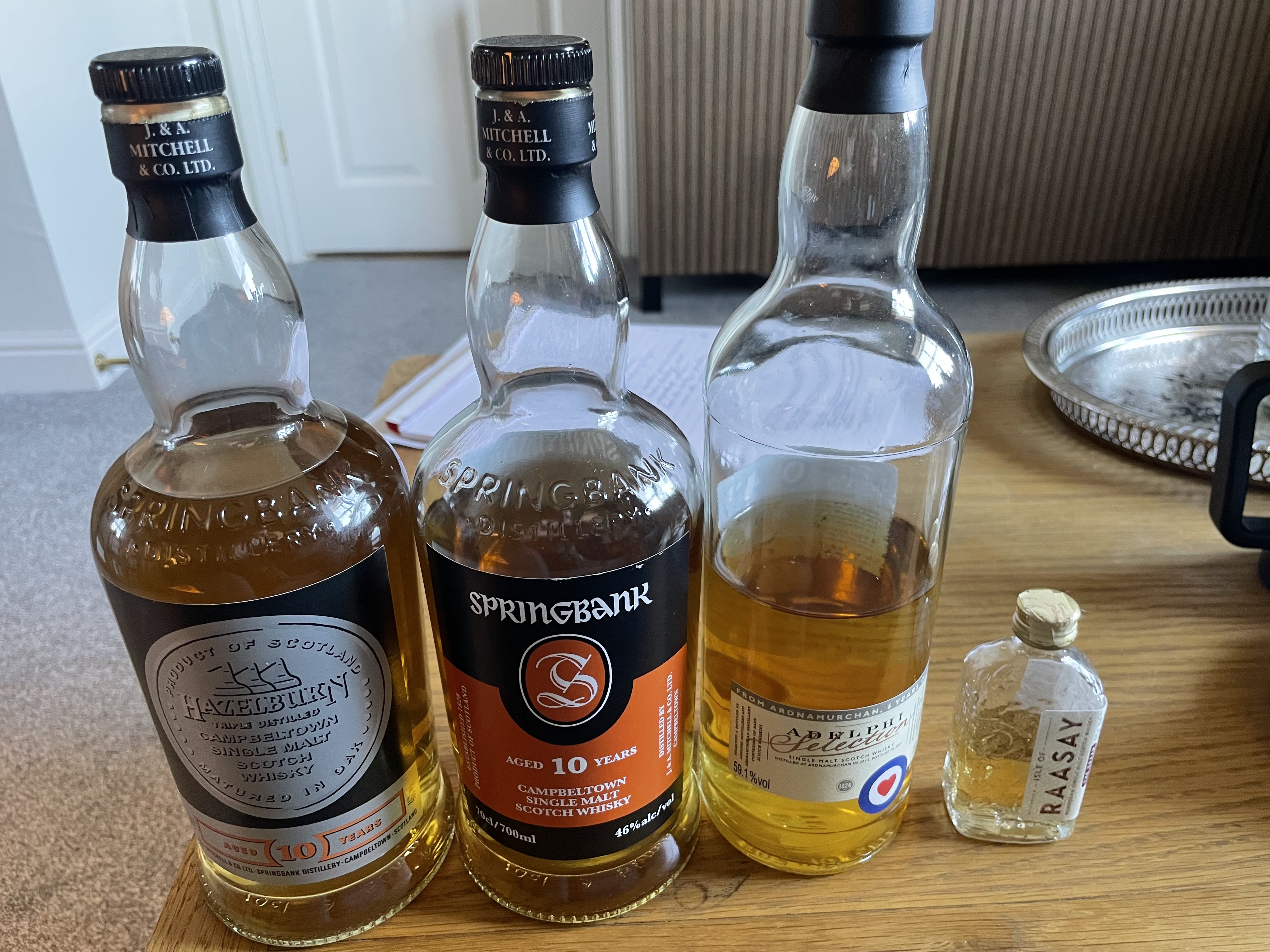
Gallery
American Empire
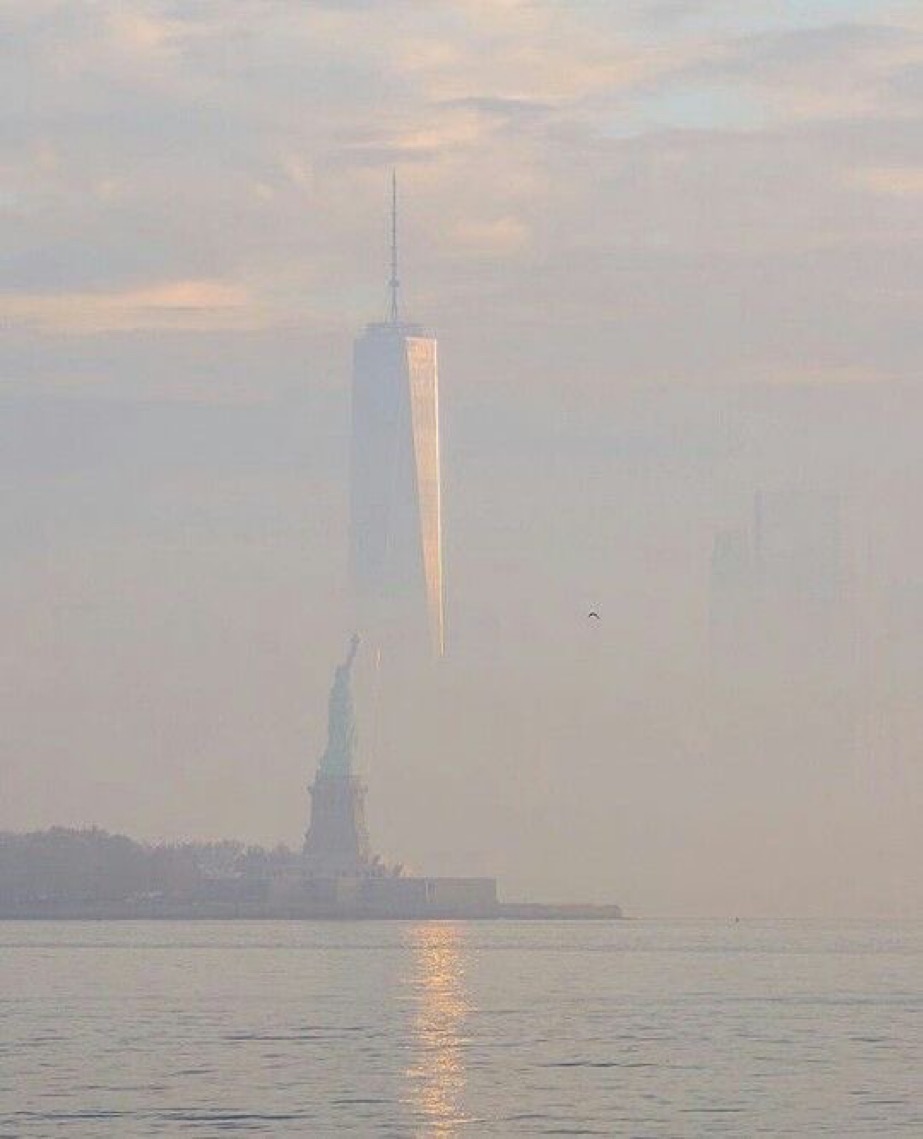
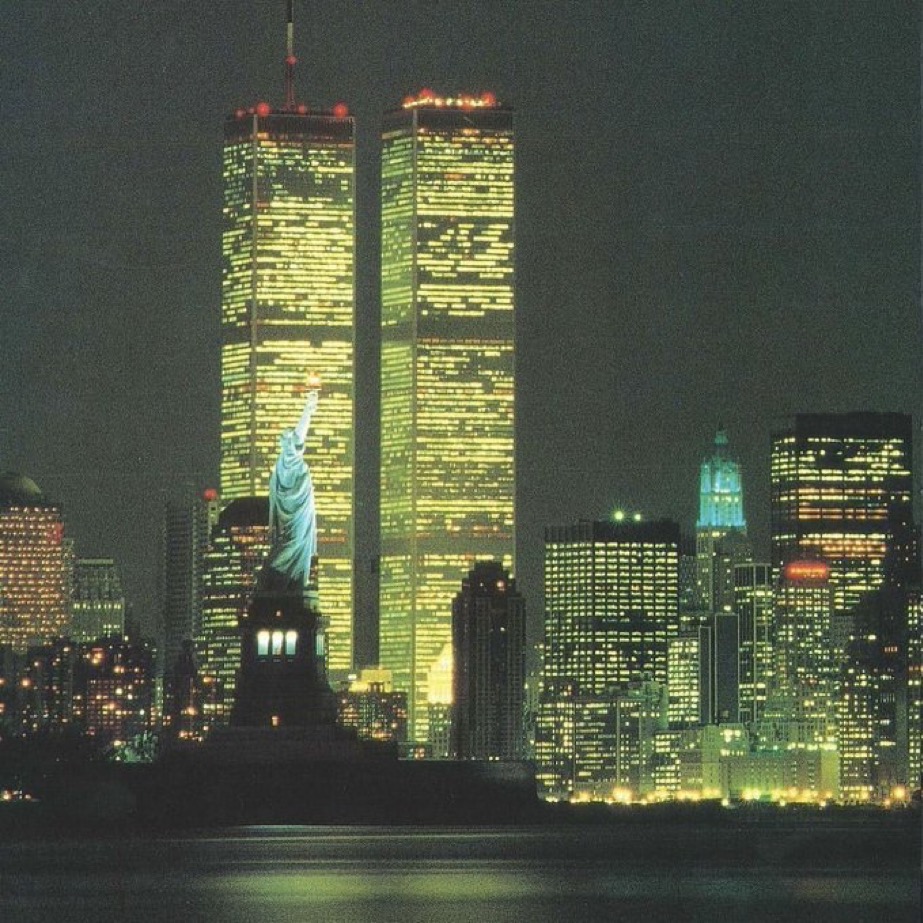
Blue
English Aesthetic
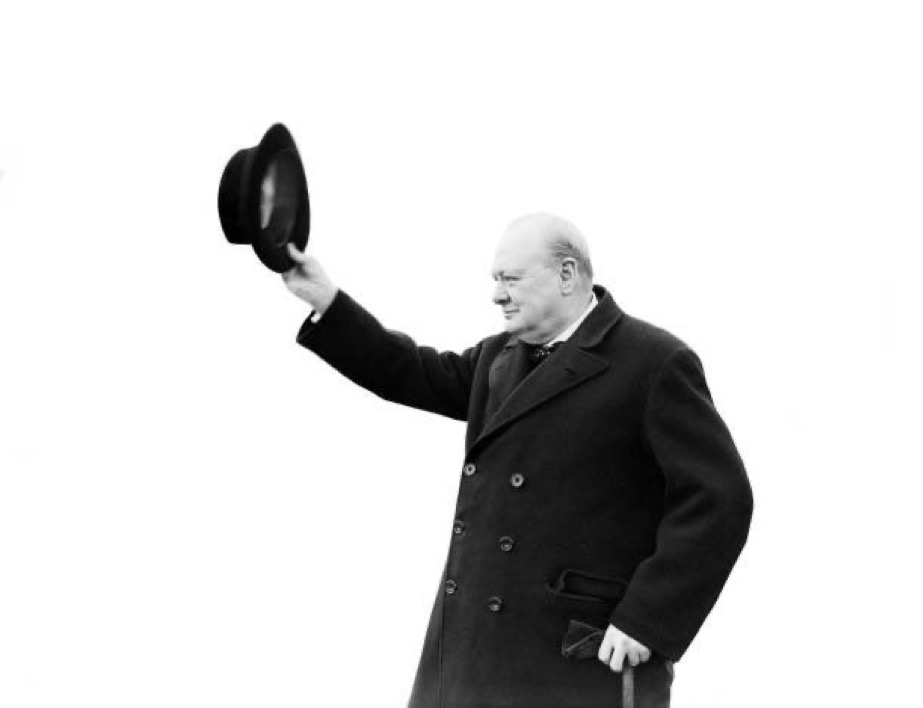
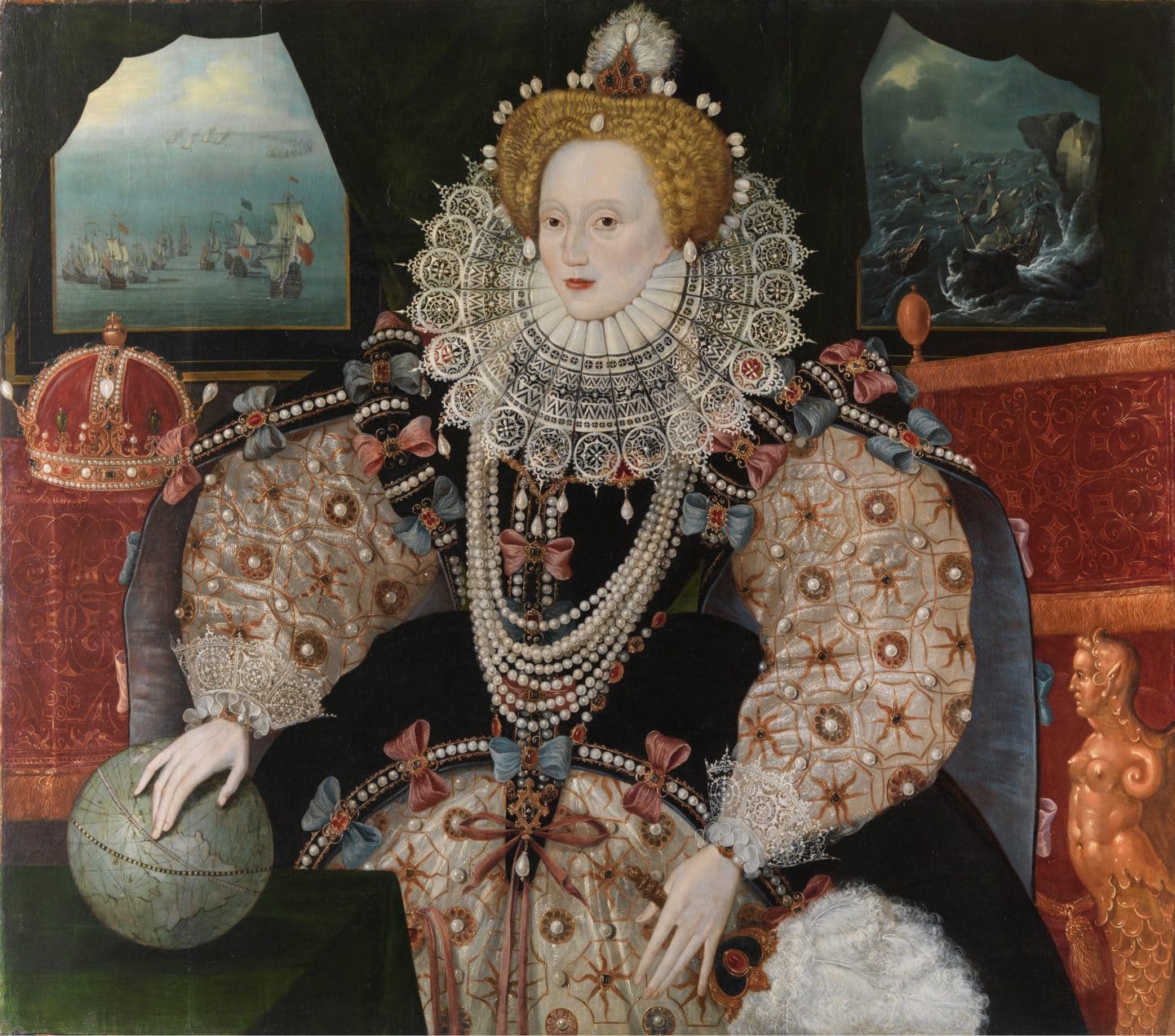
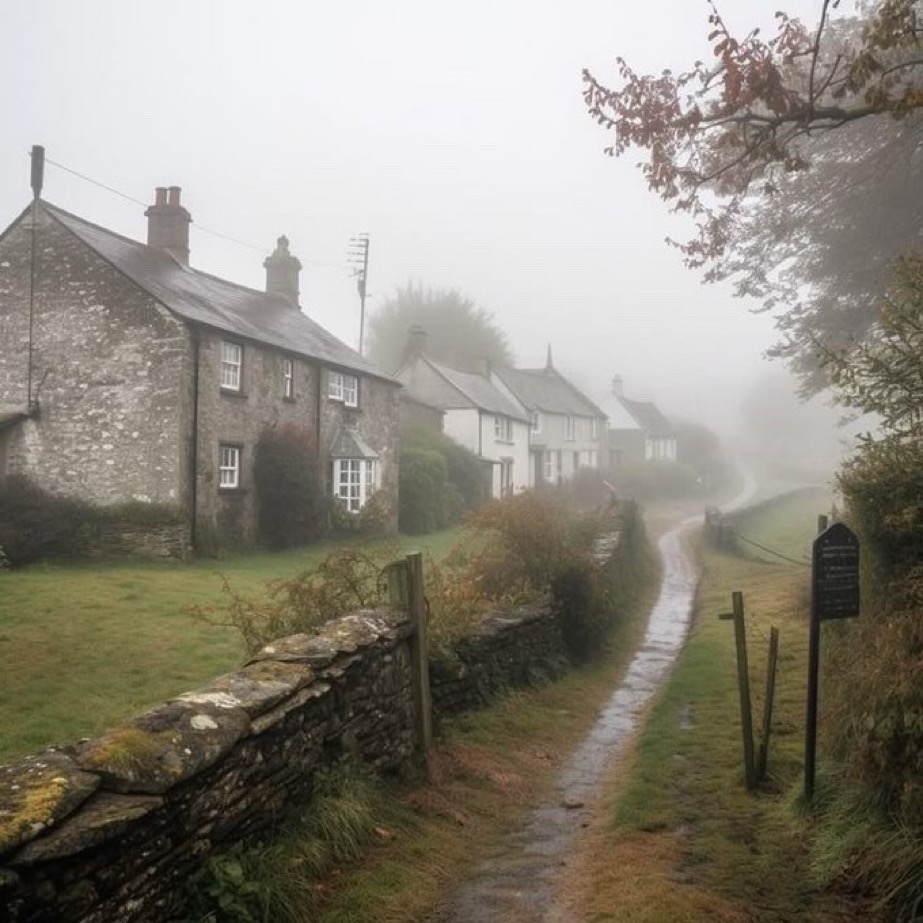
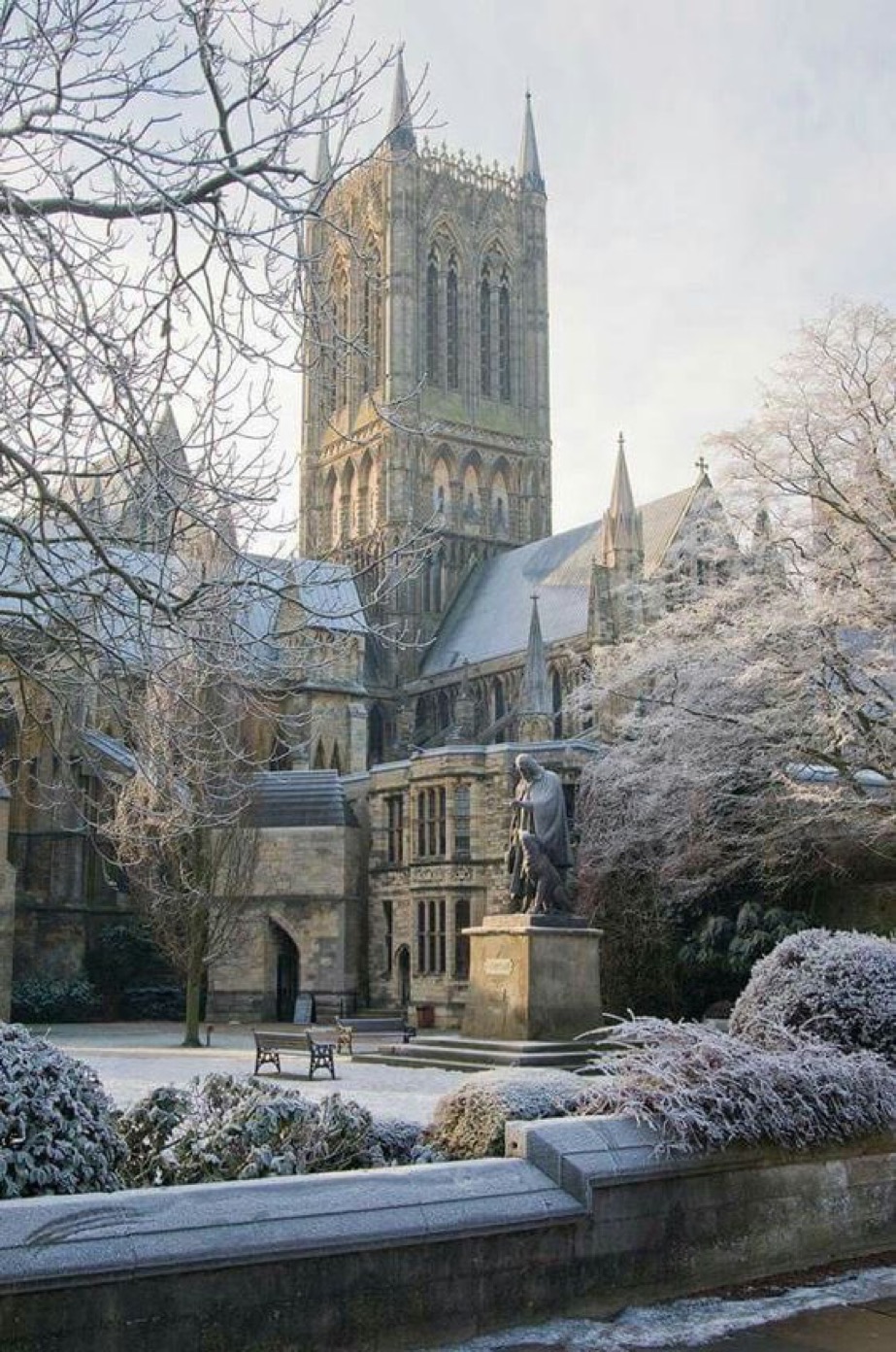
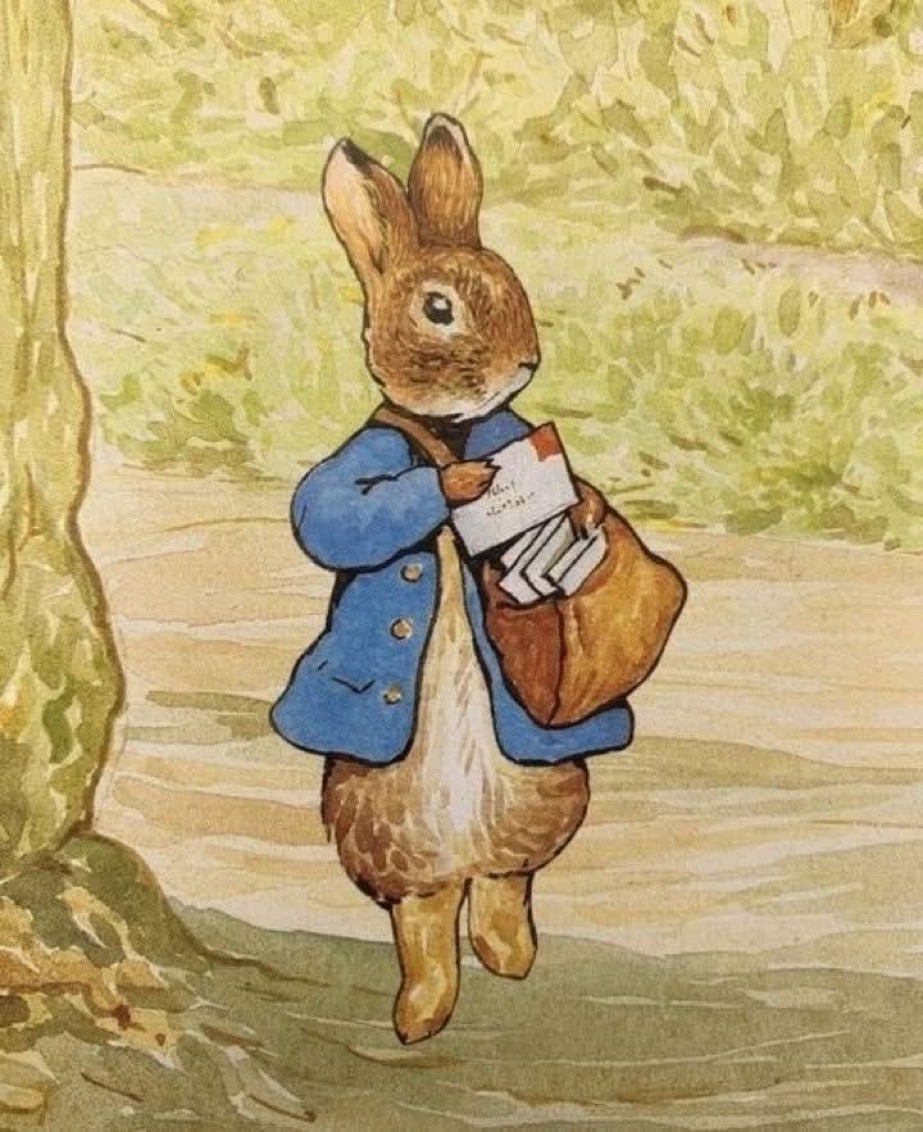
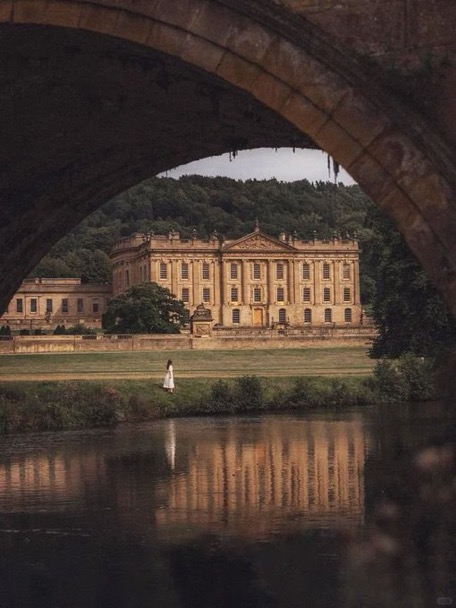
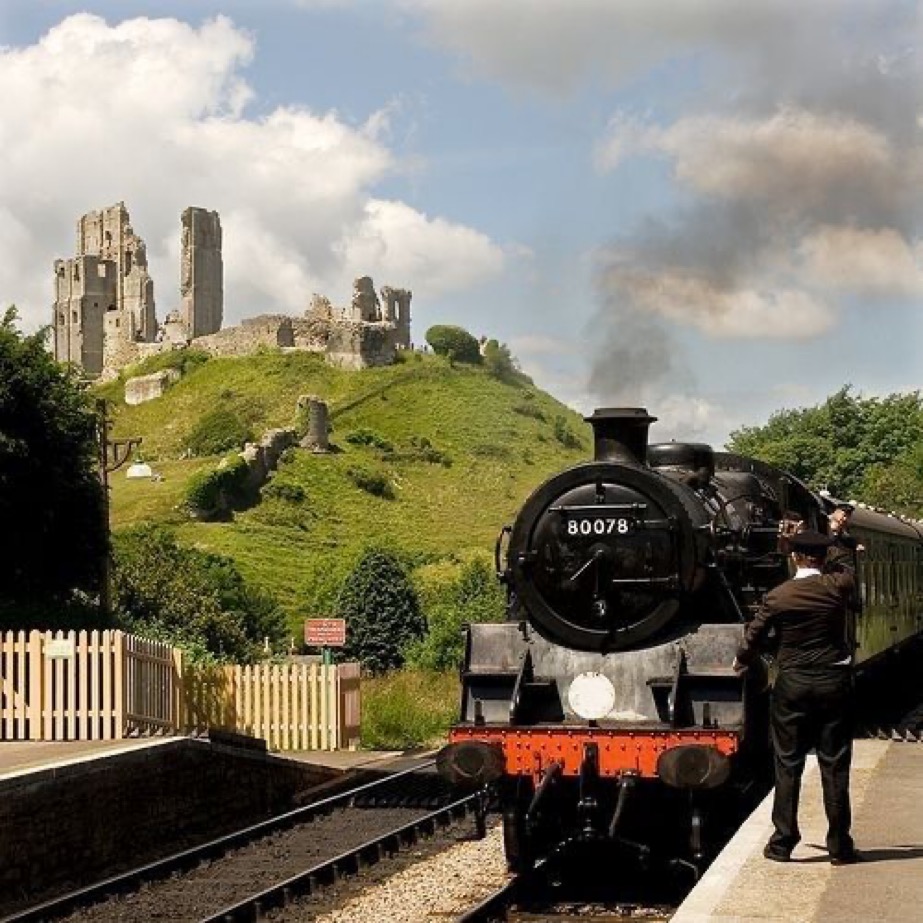
Celtic Aesthetic
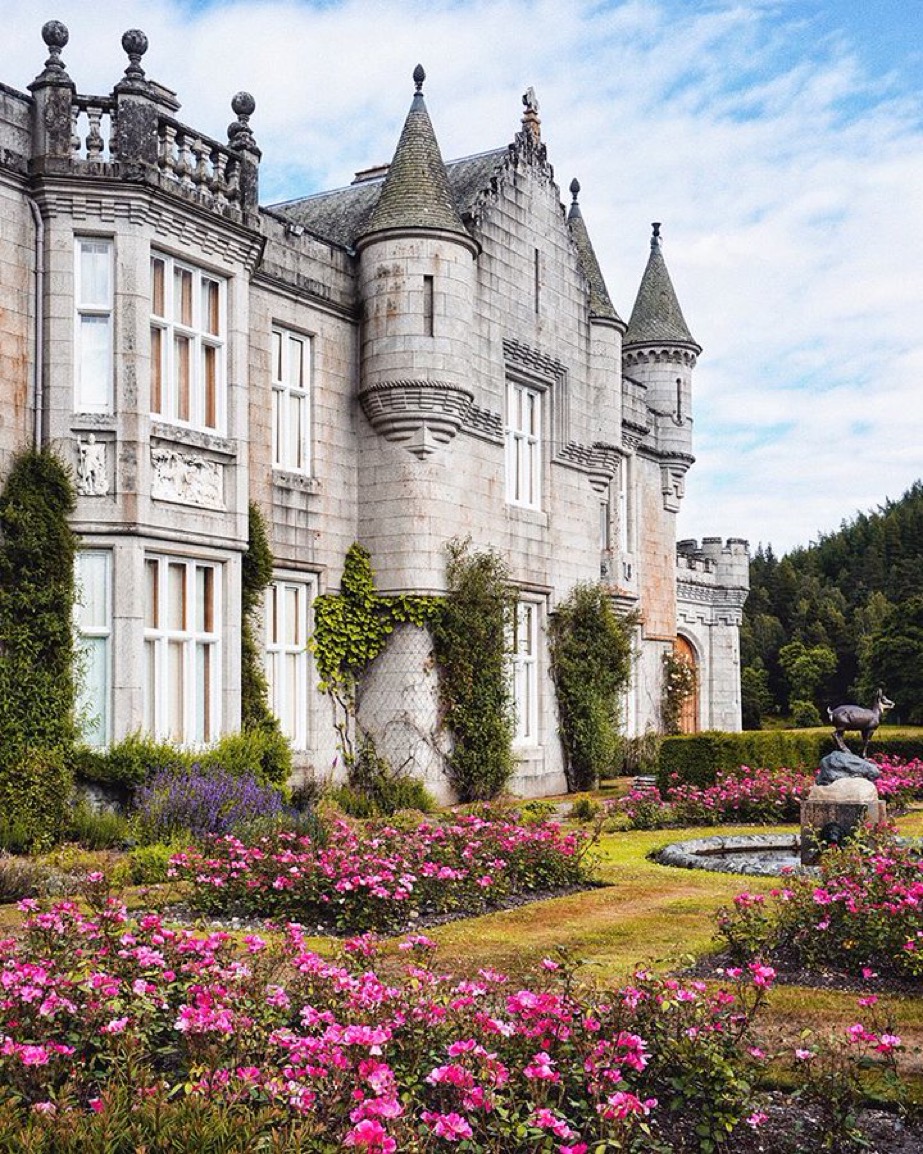
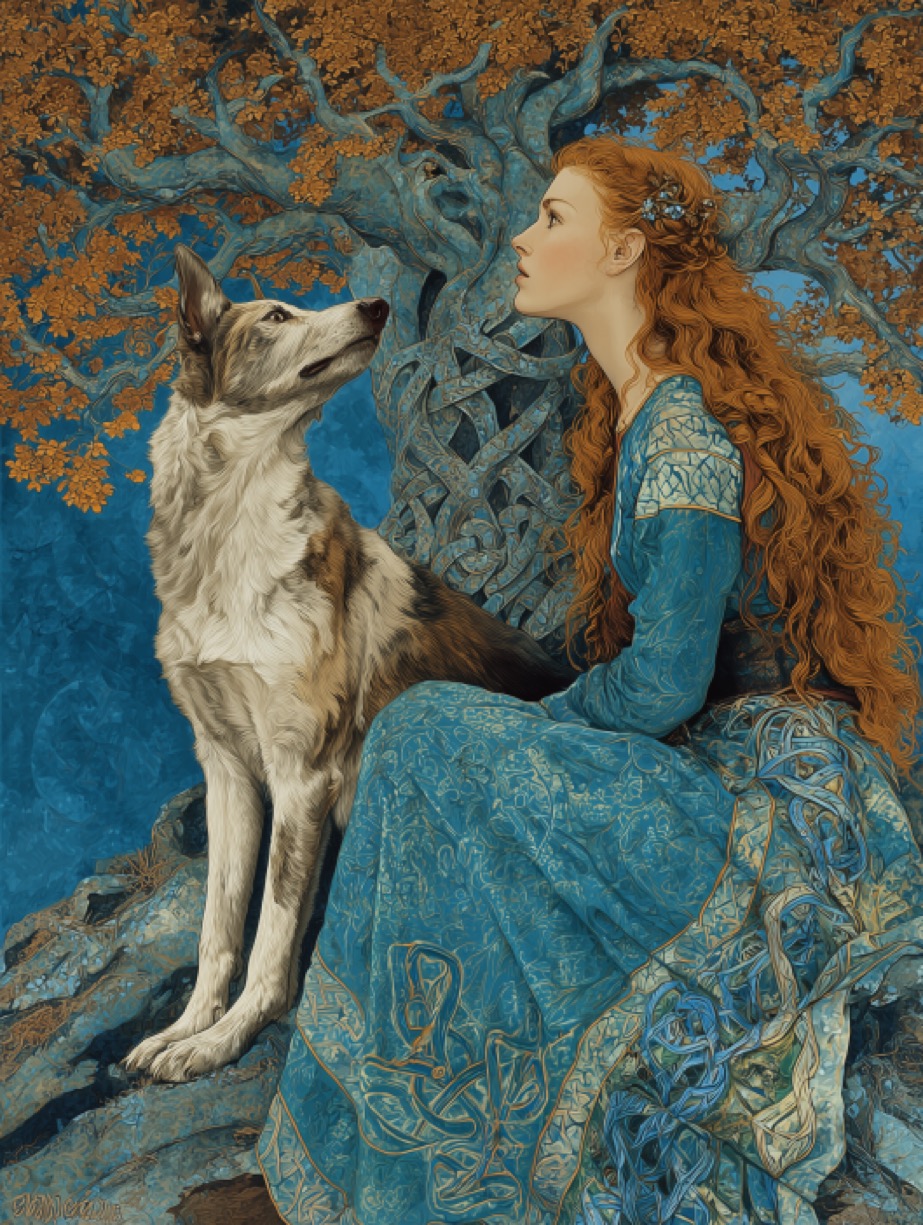
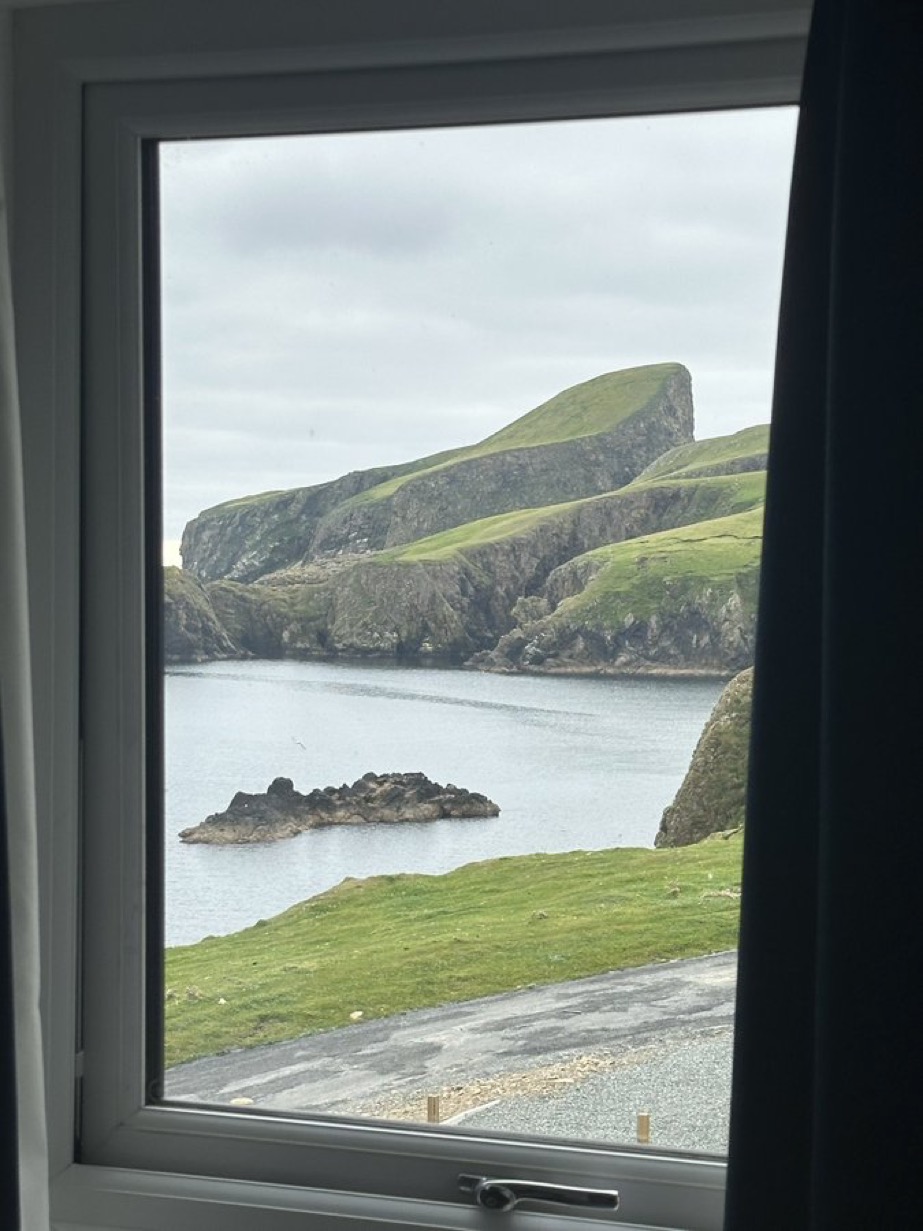
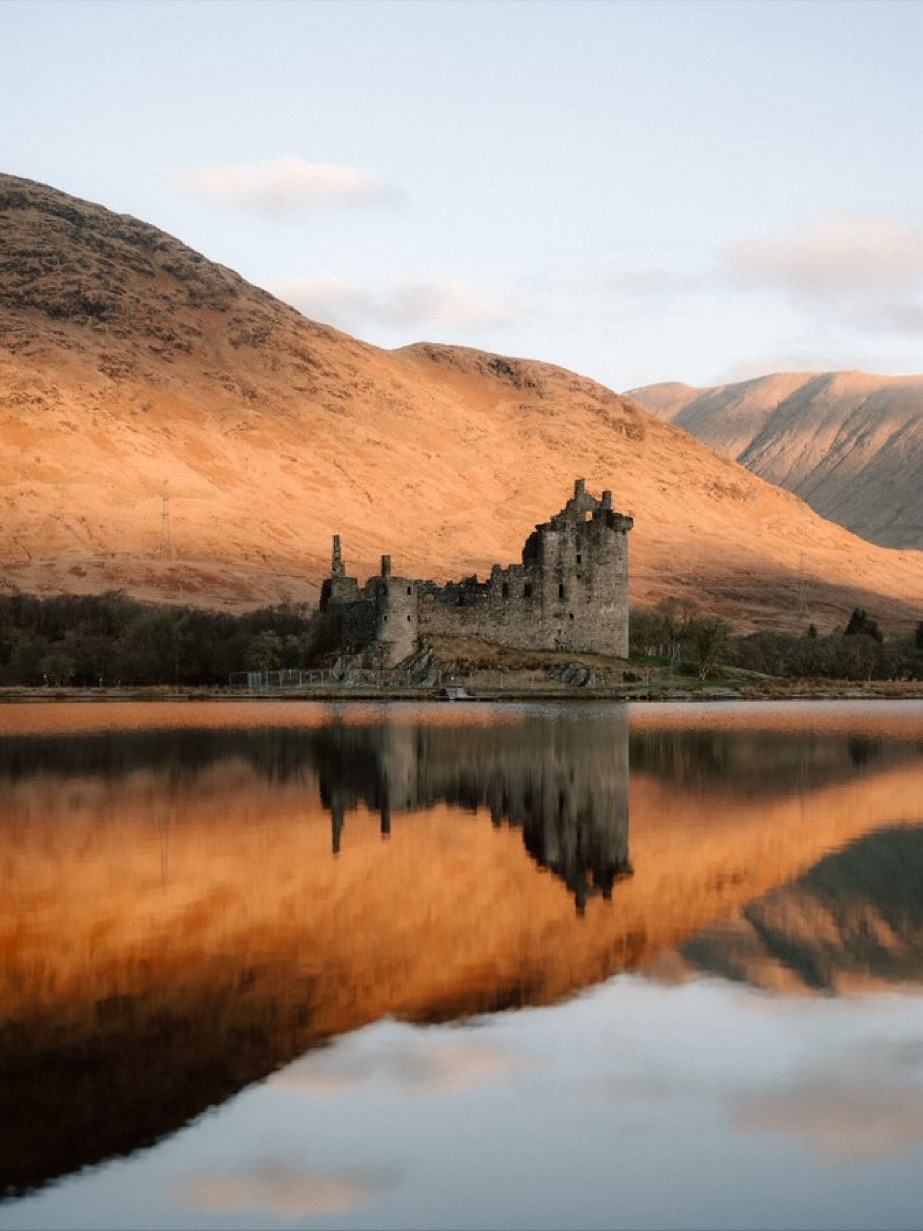

Christian
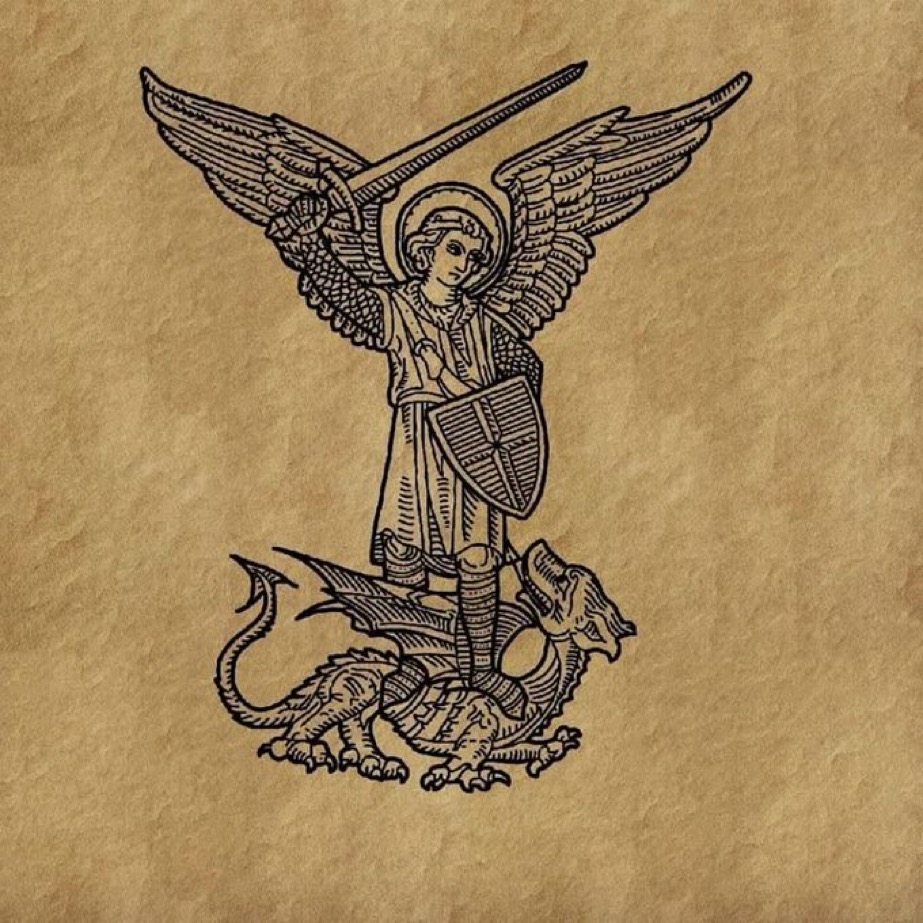
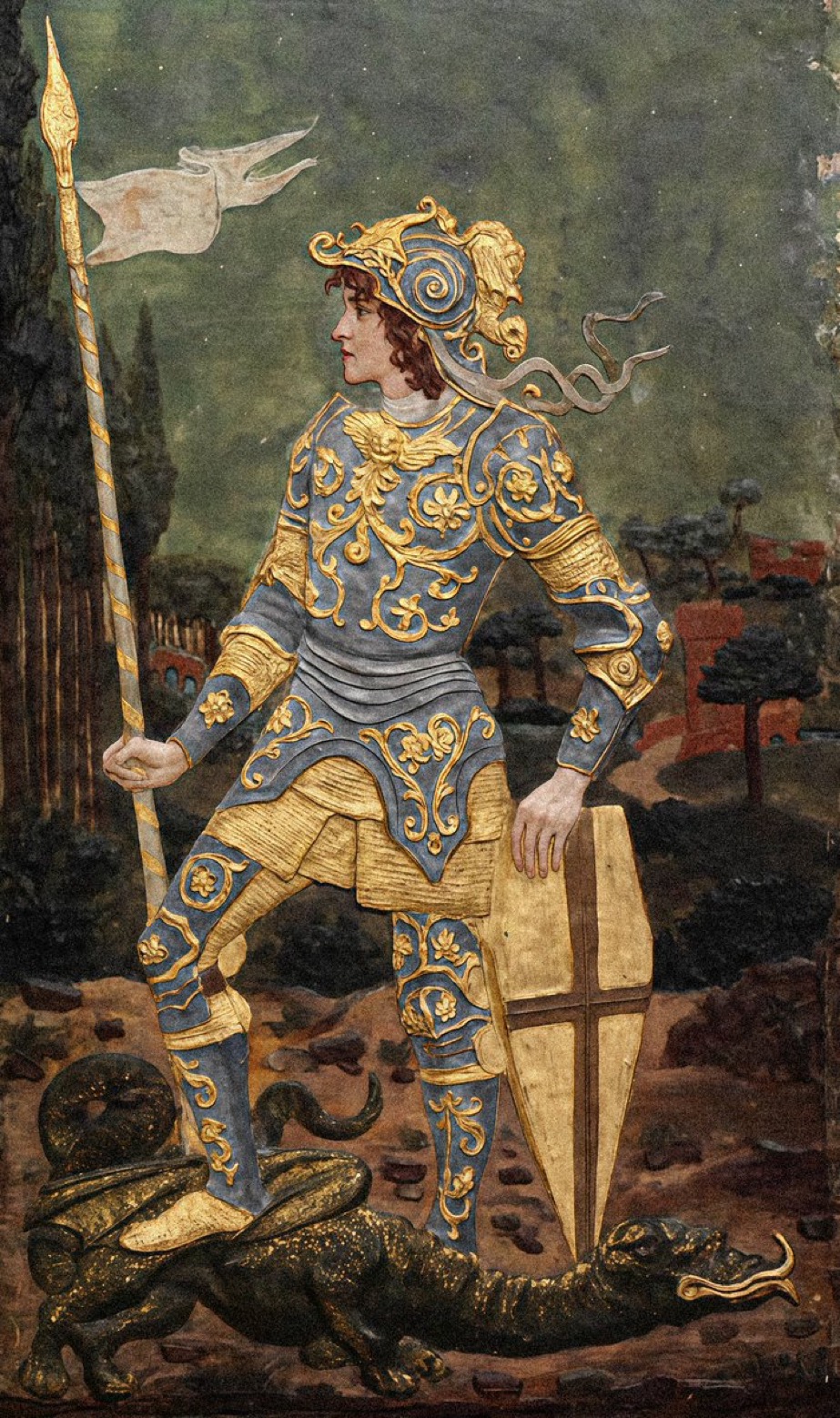
Hyper-real
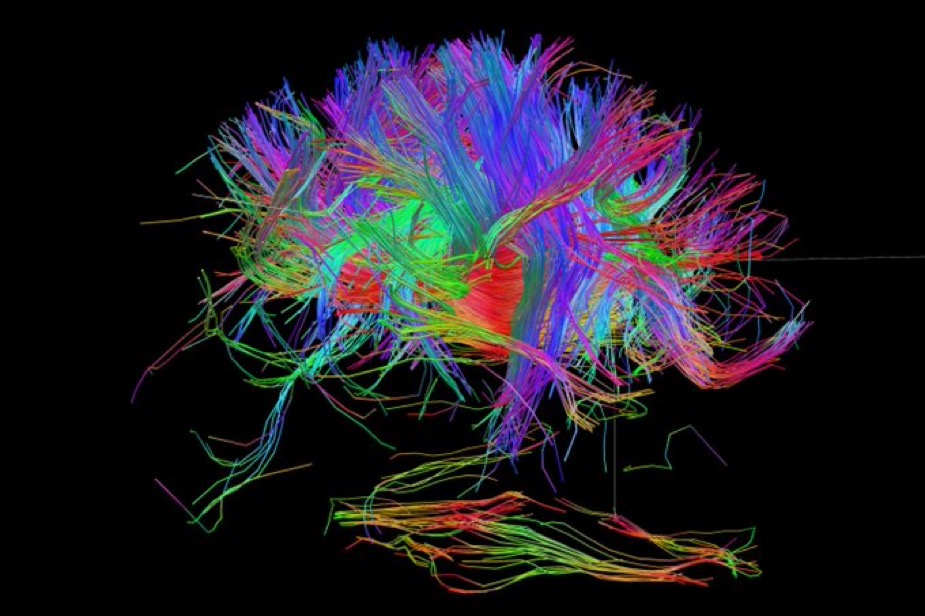
Germanic
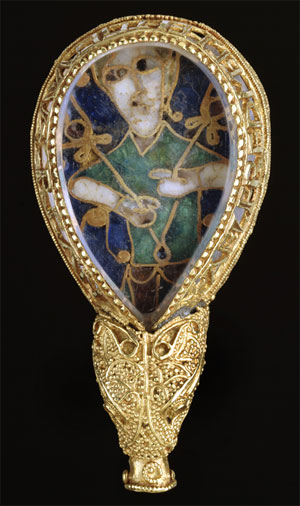
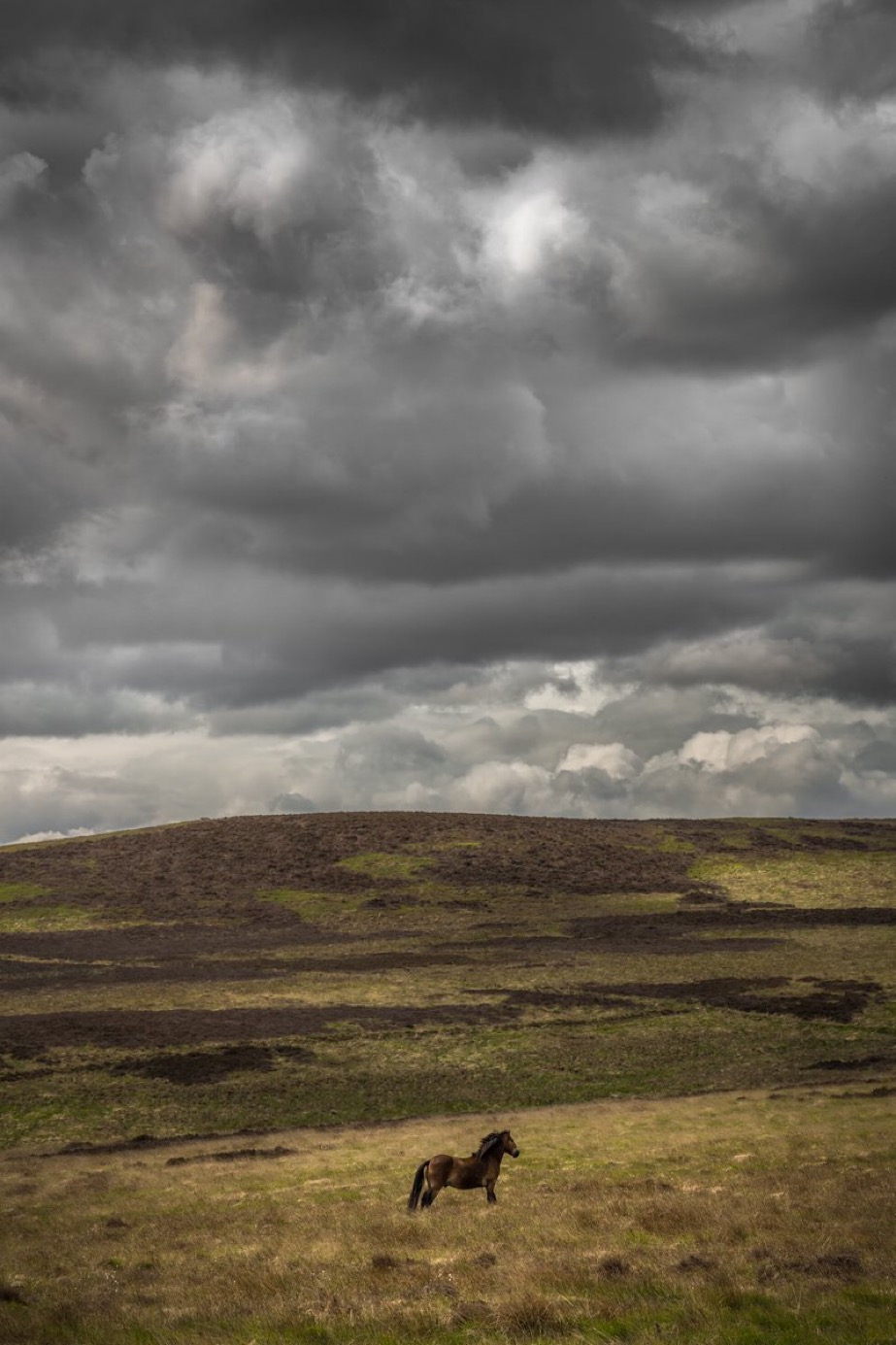
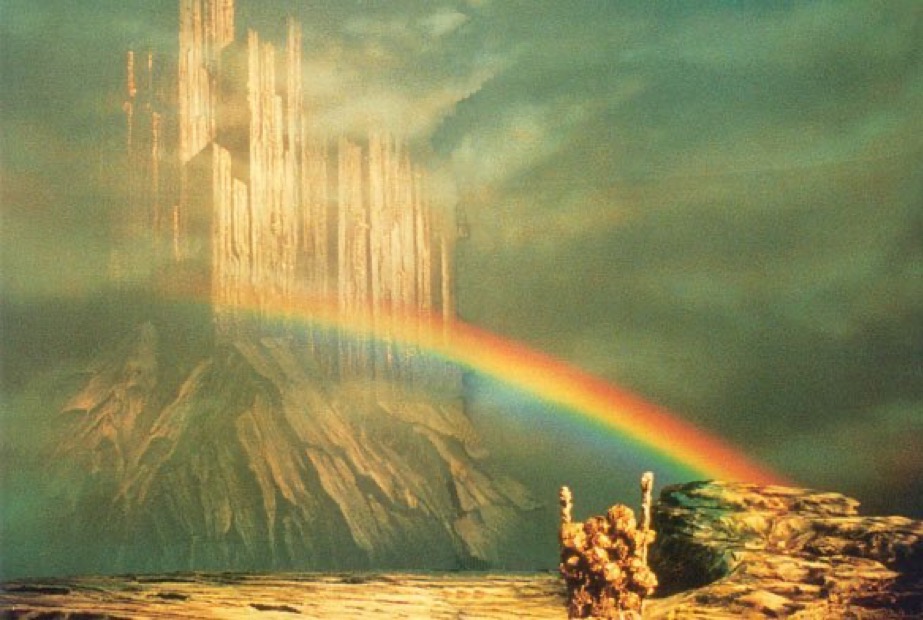
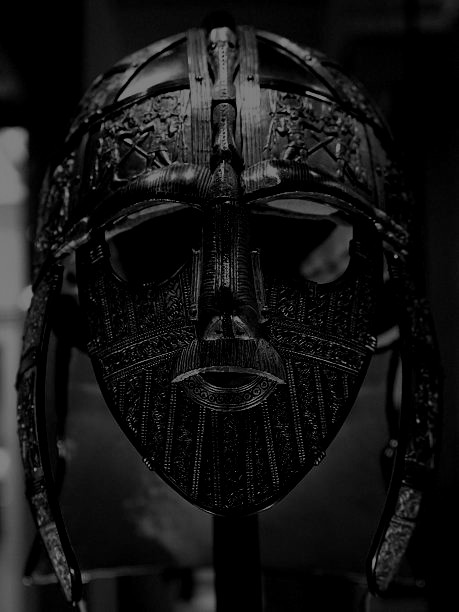
Testosterone

Aristocracy
Sir John Everett Millais
The Sacred Grove
Gold
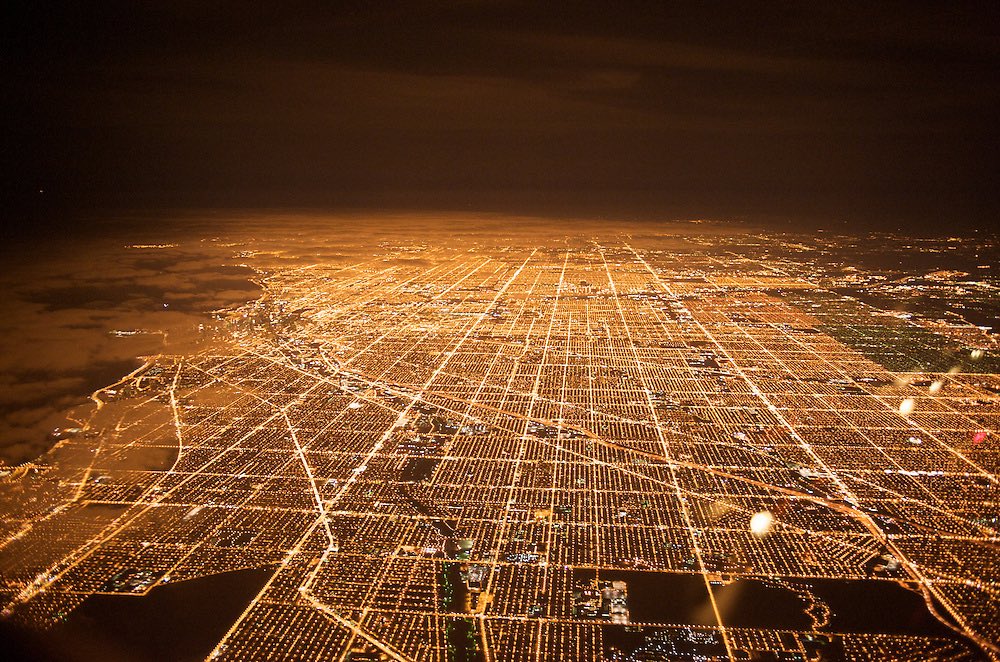
War
Klimt
Turqoise
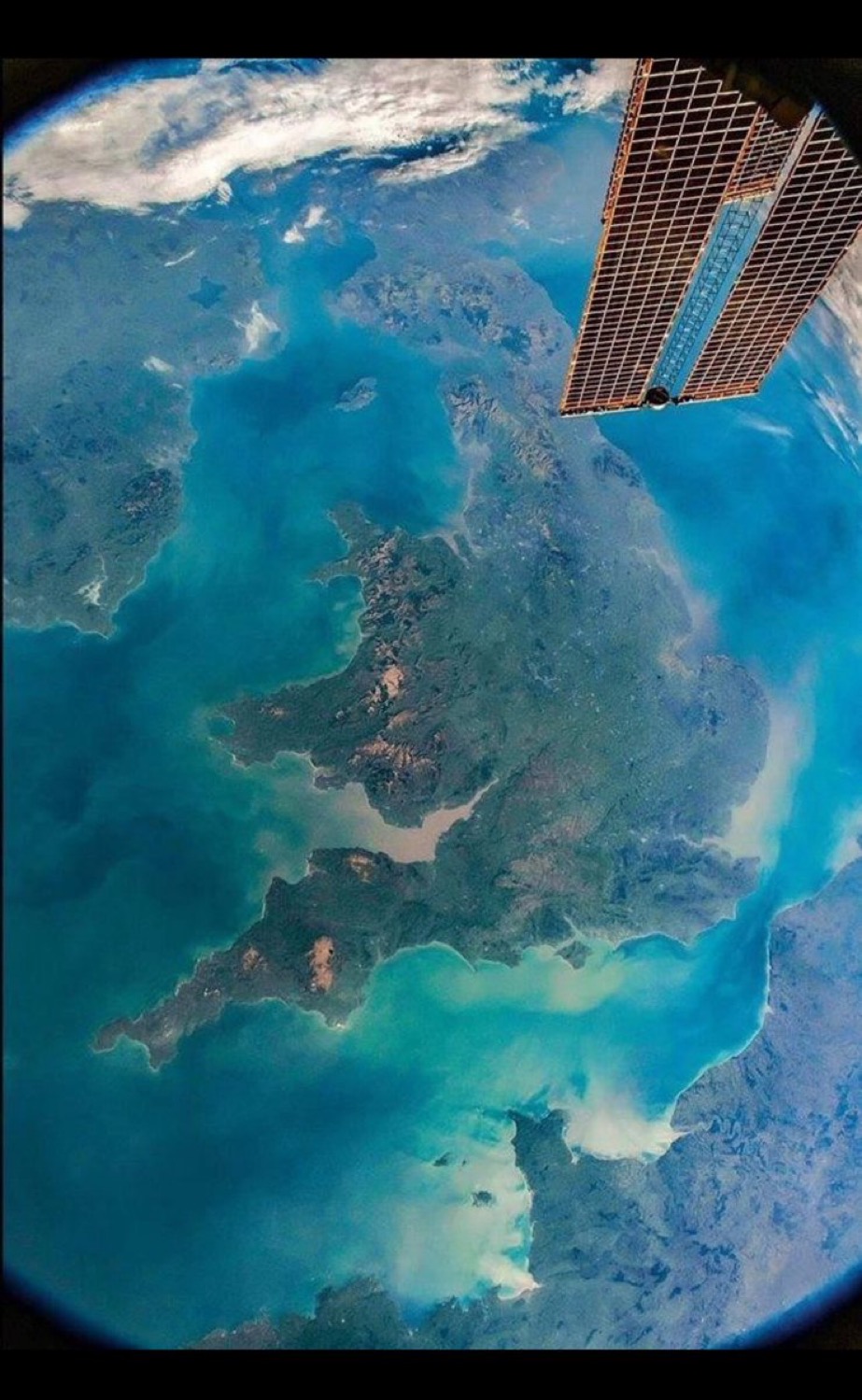
Green
Nostalgia